Iran and the United States have signed a memorandum outlining a proposed 60-day ceasefire and a roadmap for negotiations on sanctions, nuclear restrictions and regional security issues.
Iranian President Masoud Pezeshkian has electronically signed a 14-point Memorandum of Understanding with the United States, setting out conditions for a temporary halt in hostilities and the launch of structured negotiations aimed at reaching a final settlement.
Speaking to AnewZ, analyst Melih Demirtaş cautioned against interpreting the document as a completed agreement.
“It is a memorandum of understanding… not the final diplomatic agreement,” he said, describing it instead as a process where both sides are “just sitting together and maybe talking and deciding about the final result.”
He added that the framework should be viewed as a negotiation phase rather than an enforceable commitment.
Ceasefire mechanism and initial implementation
The memorandum establishes a 60-day ceasefire period, which may be extended by mutual consent, to create space for broader negotiations. During this period, both sides are expected to avoid military escalation and maintain a negotiated status quo.
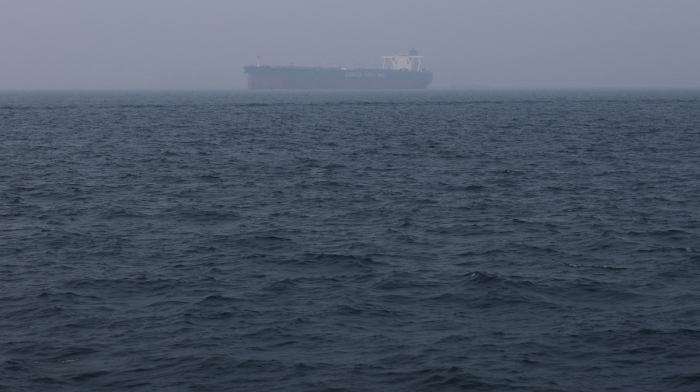
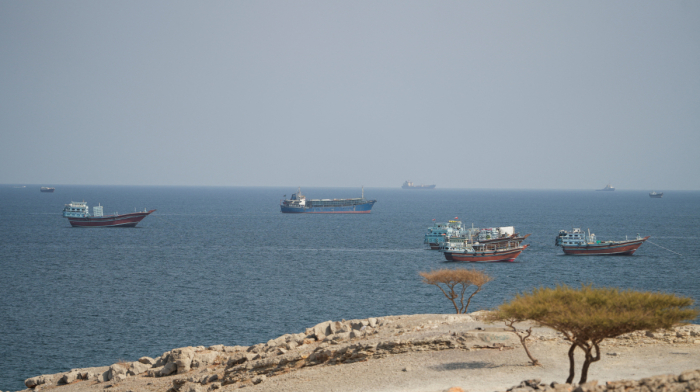
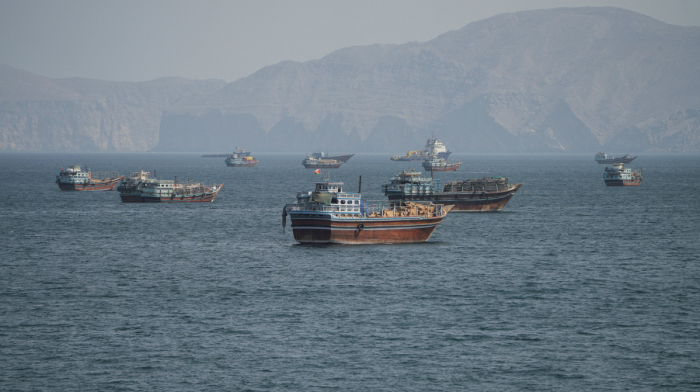
Key implementation measures include a phased reduction of U.S. naval restrictions, reportedly to be completed within 30 days, alongside reciprocal guarantees from Iran to ensure toll-free commercial navigation between the Persian Gulf and the Sea of Oman.
Lebanon and regional security
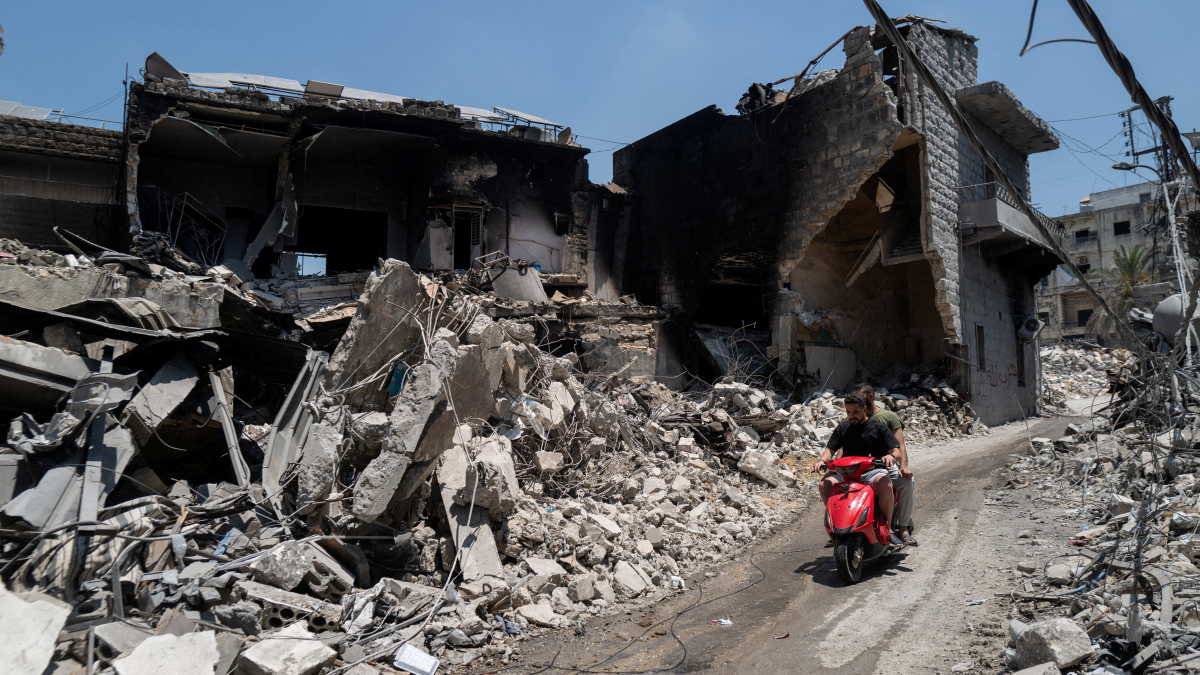
The document explicitly calls for the “immediate and permanent termination of military operations on all fronts, including in Lebanon”, placing Lebanon at the centre of the wider regional security framework.
Demirtaş described Lebanon as a critical “test” for regional stability, warning that it reflects deeper fault lines shaped by political and sectarian dynamics across the Middle East. He also noted that regional rhetoric surrounding Lebanon has heightened diplomatic sensitivities among key stakeholders.
Sanctions relief and economic provisions
The memorandum outlines a phased sanctions relief framework, including waivers for Iranian oil exports, the suspension of unilateral U.S. sanctions and the eventual removal of broader international restrictions linked to United Nations and nuclear-related measures.
It also refers to the release of frozen Iranian assets once implementation conditions have been met, alongside a proposed regional reconstruction package worth approximately $300 billion. However, no operational funding mechanism has yet been detailed.
Nuclear commitments and verification
Iran reaffirms its commitment not to develop nuclear weapons under the terms of the document. The handling of enriched uranium stockpiles is expected to follow a mutually agreed mechanism under the supervision of the International Atomic Energy Agency (IAEA).
Both sides also commit to avoiding new sanctions or military deployments during the negotiation period, maintaining existing conditions until a final agreement is reached.
Maritime arrangements and mediation
The text includes temporary arrangements for commercial shipping in the Persian Gulf and Sea of Oman, including limited toll-free passage and adjustments to maritime restrictions during the ceasefire period.
Negotiations are reportedly being facilitated through Pakistani intermediaries, with discussions continuing over the timing and location of formal peace talks.
Compliance and conditions for final deal
The memorandum states that any final agreement would be subject to endorsement through a binding United Nations Security Council resolution, a provision Iran says is intended to ensure mutual compliance.
Iranian officials, including Parliament Speaker Mohammad-Bagher Ghalibaf, have presented the document as being based on reciprocity, while Foreign Ministry spokesman Esmaeil Baghaei confirmed that diplomatic channels remain active as efforts continue to finalise the start of negotiations.















What is your opinion on this topic?
Leave the first comment