live U.S. to apply measures 'never seen before' on Iran, Trump official says
The U.S. will impose "never seen before" measures on Iran in order to economically isolate the country, Washington's Treasury Secreta...
More than 1,300 excess deaths have been recorded across Europe since June 21 as the continent faces extreme heat, World Health Organization Director-General Tedros Adhanom Ghebreyesus said.
In a post on X, Tedros said Europe is the fastest-warming continent on Earth, with temperatures rising at twice the global average.
He said extreme heat was putting growing pressure on health systems, schools, workplaces and power grids across the continent.
“Heat stress is often called the ‘silent killer’,” Tedros said, adding that its effects are not always immediately visible.
He said many homes, workplaces and schools in Europe were not designed to cope with such extreme temperatures.
The warning comes as parts of Europe continue to experience unusually high temperatures, prompting health alerts and renewed calls for stronger heat-health action plans.
Older people, children, outdoor workers and those with existing health conditions are among the most vulnerable during periods of extreme heat, health experts say.
Europe has faced a series of severe heatwaves in recent years, with scientists warning that climate change is making extreme heat more frequent, longer-lasting and more intense.
Public health authorities have urged governments to strengthen early warning systems, adapt buildings and workplaces, and improve protection for vulnerable groups.
The WHO has repeatedly said heat-related illness and deaths are largely preventable if countries improve preparedness, prevention and emergency response measures.
Disruption in the Strait of Hormuz has increased the strategic importance of Bab al-Mandab, raising fears that instability in both waterways could trigger a wider global energy and trade crisis.
Flights at Catania airport in Sicily will remain suspended until early Friday as ash from Mount Etna continues to disrupt air travel, following hundreds of cancellations and diversions over the past week.
Iran says the Strait of Hormuz remains under its control, rejecting U.S. President Donald Trump’s claim of “total control” over the strategic waterway and insisting it will not reopen until Washington fulfils its commitments under an interim deal.
Iran and the United States remain at loggerheads over efforts to agree a permanent end to the war in the Gulf, according to a senior Iranian source who said there had been no progress in talks to revive the interim deal agreed in June and define a timeframe to implement it.
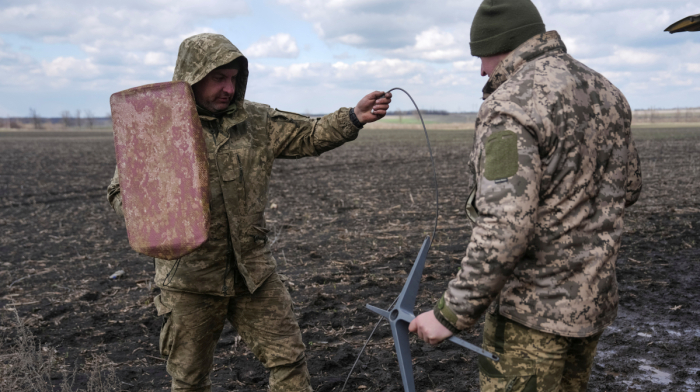
Russia has accused Ukraine of threatening global grain supplies after recent strikes on Black Sea agricultural infrastructure, while Moscow carried out a new overnight attack on Ukraine’s major Danube port of Izmail.
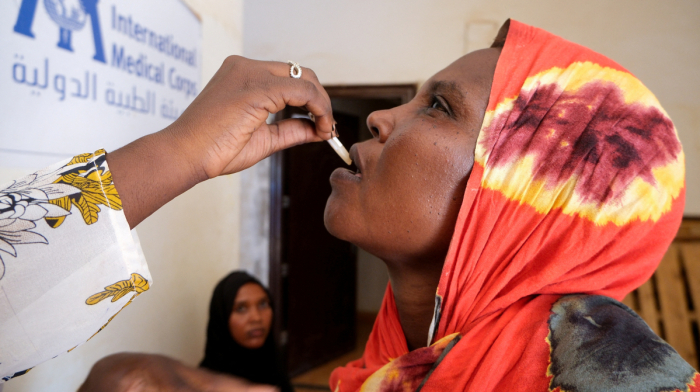
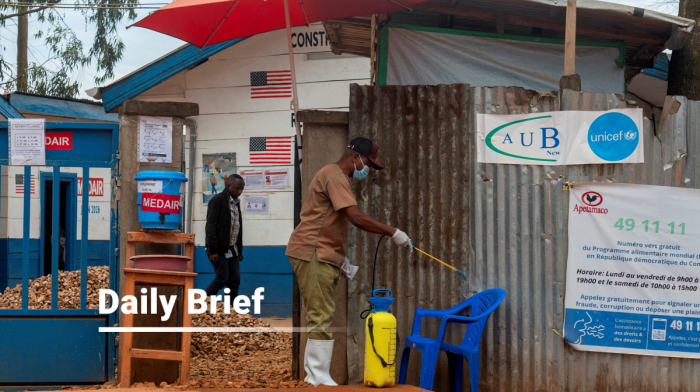
The Democratic Republic of Congo says the number of confirmed Ebola cases has risen to nearly 4,500, including more than 2,060 deaths. Delayed detection, weak surveillance, funding shortages and conflict have allowed the virus to spread faster than in any previous epidemic at the same stage.
Australia warned on Monday (3 August) of a wider spread of H5N1 bird flu after its first confirmed mass mortality event among seabirds killed about 50 greater crested terns off the coast of South Australia, south of Adelaide.
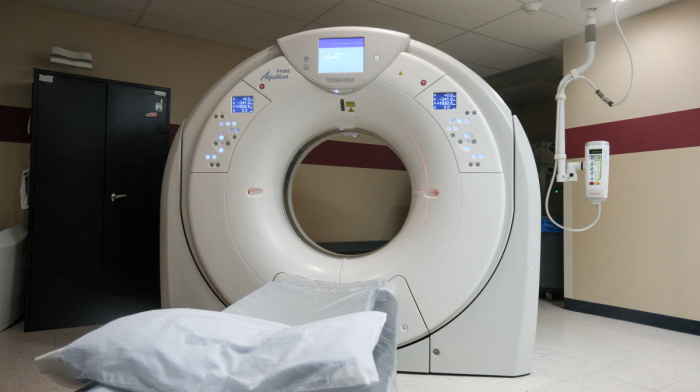
Cancer patients in Sudan are struggling to access life-saving treatment as soaring medication costs, power shortages and damaged hospital infrastructure deepen the country's healthcare crisis after more than three years of war.
The world risks a resurgence of the HIV epidemic after international funding fell by nearly a fifth last year, according to a new report from UNAIDS, which warned that decades of progress against the disease could be reversed without renewed global support.
A global shift towards healthier diets, more efficient farming and reduced food waste could cut greenhouse gas emissions from agriculture-related land-use change by 85% by 2050, according to a study published last week in the journal Nature.
You can download the AnewZ application from Play Store and the App Store.
What is your opinion on this topic?
Leave the first comment