Australian authorities have expanded surveillance and testing efforts after confirming two cases of the highly pathogenic H5N1 bird flu, while neighbouring Papua New Guinea has suspended poultry imports from the country.
The response comes as officials work to determine whether the virus has spread beyond the initial cases detected in Western Australia.
New tests are being carried out in South Australia after two dead sub-Antarctic seabirds and a pelican were found near Fowlers Bay on Monday.
The birds were discovered more than 1,200 kilometres east of Esperance, where Australia's first confirmed mainland H5N1 cases were reported.
South Australia Primary Industries Minister Claire Scriven said it could take several days before test results are known.
"In terms of the turnaround times, it sort of depends on the outcomes ... we hope this doesn't get to South Australia, but we know, of course, that it may," Scriven told ABC Radio.
Officials stressed there are currently no confirmed bird flu cases in the state. However, authorities are investigating reports of sick or dead birds and will notify the public if any positive cases are detected.
Increased surveillance along the coast
Ground teams and drone operators are monitoring sea lion breeding sites along South Australia's west and far west coasts. Testing has also been increased in areas considered most at risk.
In Western Australia, two additional birds are being tested in locations far from the original outbreak sites.
Authorities said there is currently no evidence that the virus has spread widely. Over the past three days, officials have received 94 reports of dead or unwell birds, with 11 samples sent for laboratory testing.
Papua New Guinea suspends imports
The confirmed cases have also had an impact beyond Australia's borders.
Papua New Guinea, Australia's largest export market for poultry products, has temporarily banned imports of Australian poultry meat and related products.
In 2023, Papua New Guinea imported A$44 million worth of Australian poultry products.
Australia's Department of Agriculture said the poultry industry remains free of bird flu and described the import suspension as a precautionary measure.
The department said it was "actively engaging with PNG to resolve this issue".
A new challenge for Australia
Until now, Australia had been the only continent without a confirmed mainland case of H5N1 bird flu. The virus was previously detected only on Heard Island, a remote Australian territory in the sub-Antarctic region.
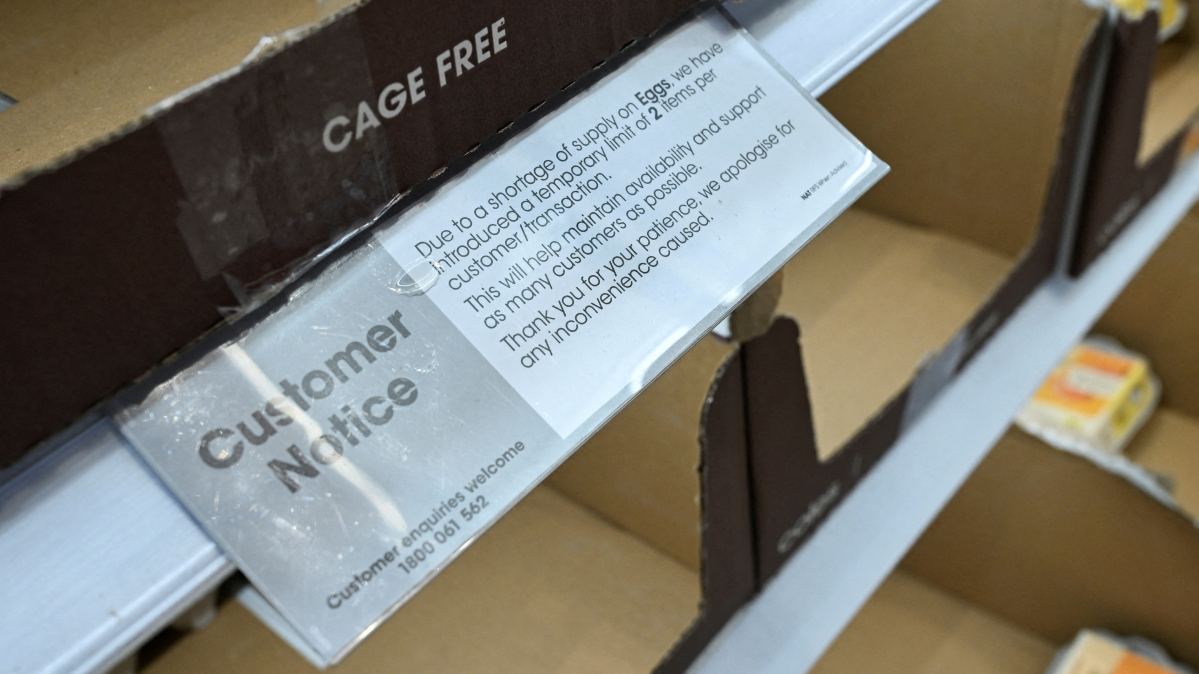
While human infections remain rare, bird flu has caused major disruptions around the world. Outbreaks have led to the loss of millions of birds and have pushed up poultry and egg prices in many countries.
Australian authorities have spent recent years preparing for the virus through tighter farm biosecurity measures, increased testing of wild birds, vaccination programmes for vulnerable species and emergency response exercises.
The latest cases are now putting those preparations to the test.
Read more:


















What is your opinion on this topic?
Leave the first comment