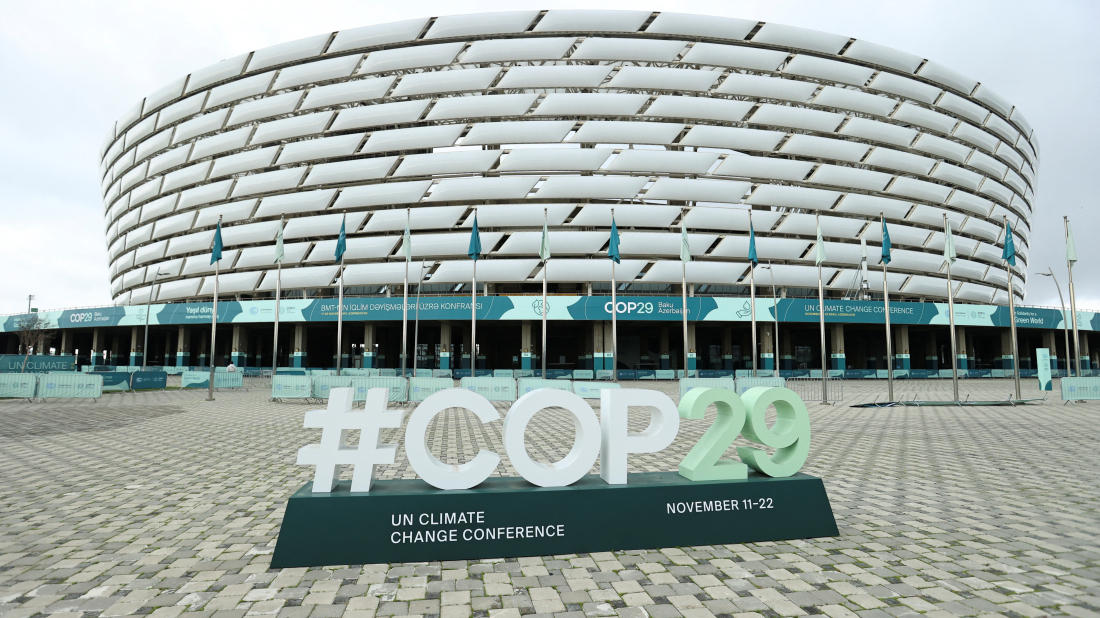
The latest draft text on the new climate finance goal, unveiled at COP29 in Baku, has sparked cautious optimism that developed and developing nations are on the verge of a historic agreement. The negotiated text, now streamlined to just 10 pages, represents a significant step forward in reconciling the interests and priorities of both sides.
Sources close to the negotiations indicate that while the text is not yet perfect and will require further consultations, the world may soon witness the landmark “Baku Breakthrough.”
Key Elements of the Draft
The draft text emphasizes the principle of common but differentiated responsibilities and respective capabilities, recognizing the varied national circumstances of participating countries. It also underscores the importance of respecting sovereignty as nations work collaboratively to tackle the global climate crisis.
Central to the draft is a commitment to ensuring that climate finance flows from developed to developing nations. The proposed goal emphasizes that such finance must be affordable, predictable, and non-debt-inducing. Furthermore, it calls for grants or grant-equivalent terms to ensure adequacy and equity in addressing the climate challenges faced by developing nations.
A Narrowing Window of Opportunity
Amid growing concerns over geopolitical shifts, particularly the potential return of Donald Trump to the U.S. presidency, the urgency of finalizing the New Collective Quantified Goal (NCQG) has intensified. European countries, in particular, are rallying behind the need for swift action, recognizing that any delays could close the narrow window of opportunity for consensus.
While the journey is far from over, the spirit of cooperation and compromise evident in the draft text signals hope. The outcome of COP29 in Baku could mark a defining moment in global climate diplomacy, solidifying the city’s place in history as the birthplace of a breakthrough in climate finance negotiations.
As the world waits, all eyes are on Baku to see if this ambitious effort will indeed usher in a new era of collective climate action.
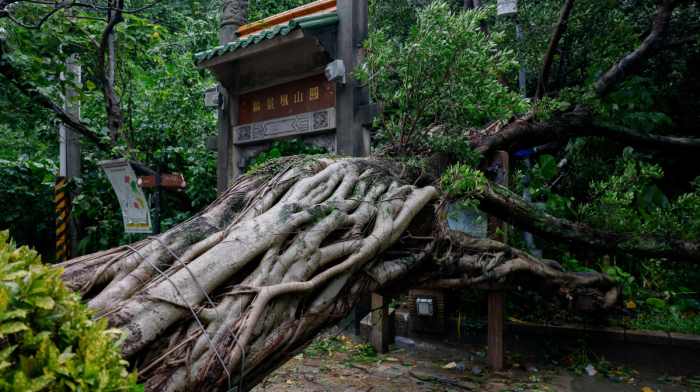
Typhoon Champi swept past Taiwan on Saturday, leaving one person dead and more than 500 injured as strong winds and torrential rain brought down trees, cut power and disrupted transport across the island.
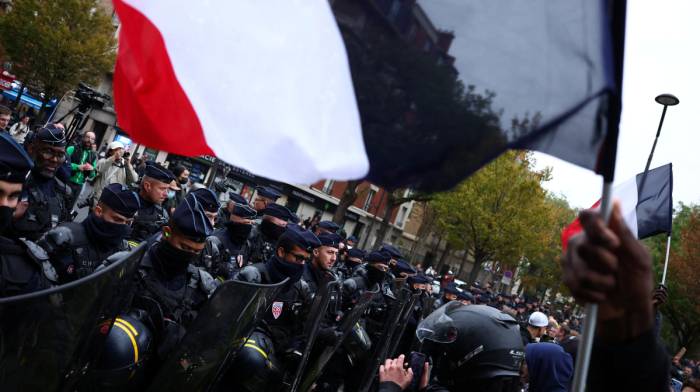
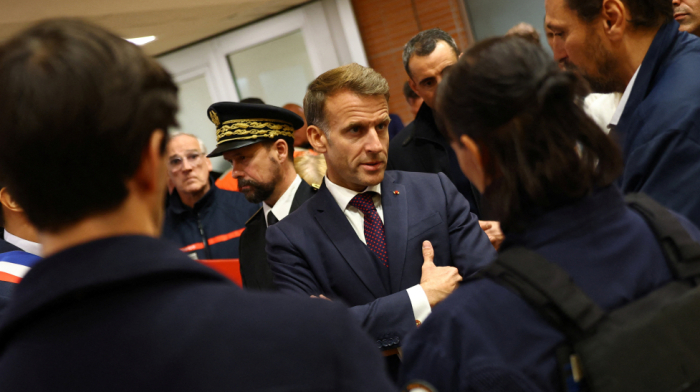
French President Emmanuel Macron on Friday described a deadly shooting in the towns of Trappes and La Verrière, west of Paris, as a racist attack and ‘a turning point’ for the country.
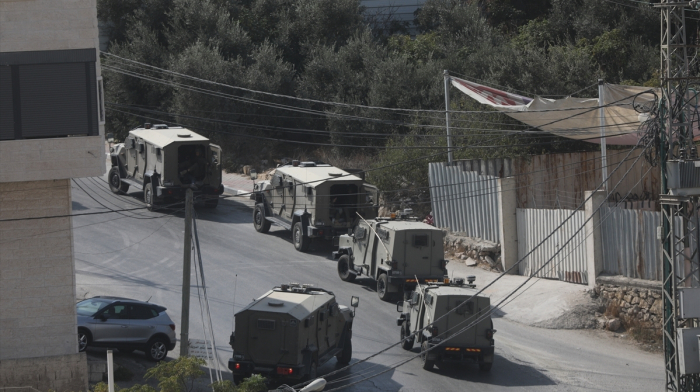
Israeli forces have maintained a tight closure on Hebron in the occupied West Bank for a second day, with Palestinian media reporting home raids, mass detentions and dozens of residents forced outside following a shooting incident the day before.
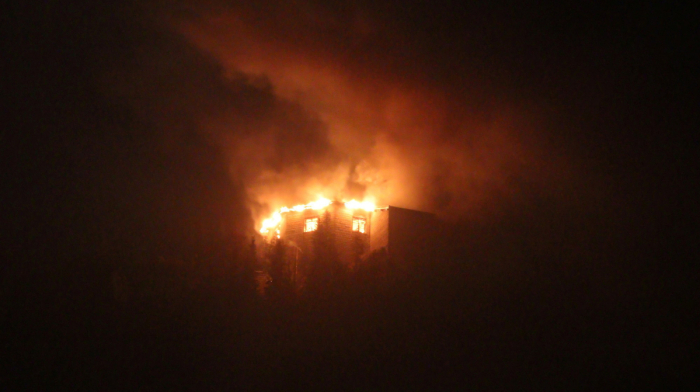
German police have detained a suspect after a major fire broke out at the historic Kehlsteinhaus, known as the “Eagle’s Nest”, a mountain retreat once used by senior Nazi officials, including Adolf Hitler.
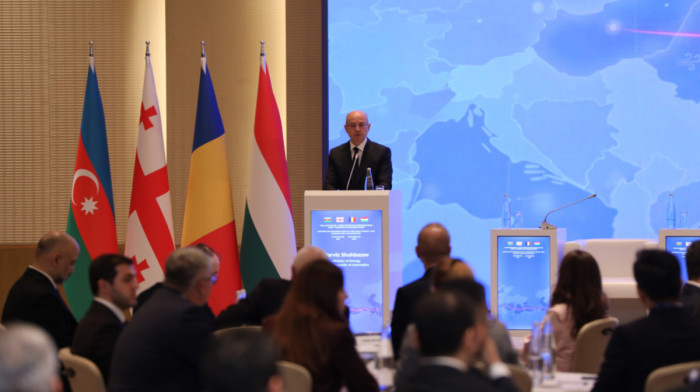
Azerbaijan is seeking international investment in a 3,000-kilometre green energy corridor to Europe, with banks, investors and energy companies gathering in Baku on Thursday to discuss financing for the ambitious project.
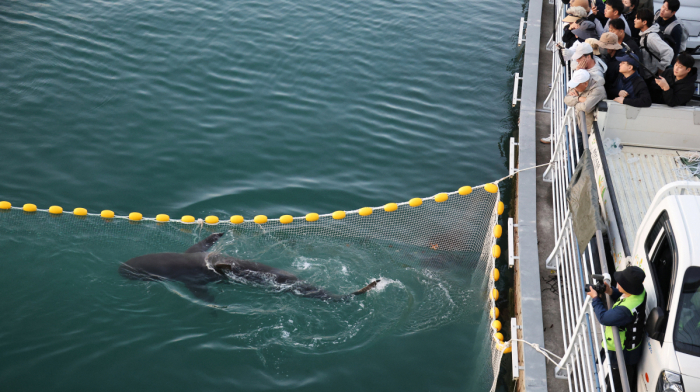
A female dusky shark trapped in a canal in Busan, South Korea, for more than a month has finally returned to the open sea after a successful rescue operation on Wednesday (21 October), following two failed attempts.
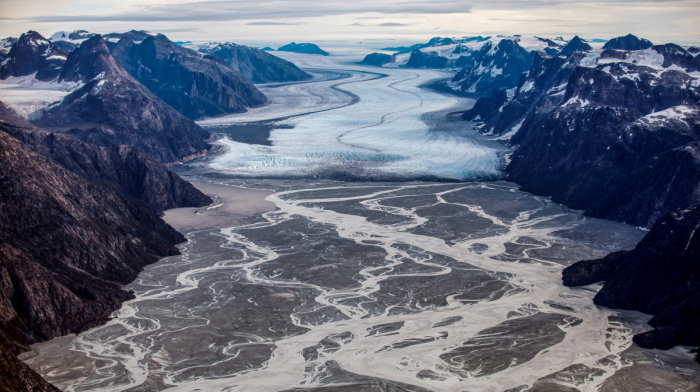
The world is on course for dangerous levels of global warming despite international climate pledges, with greenhouse gas emissions hitting record highs and the Paris Agreement’s 1.5°C target increasingly out of reach, according to a UN assessment.
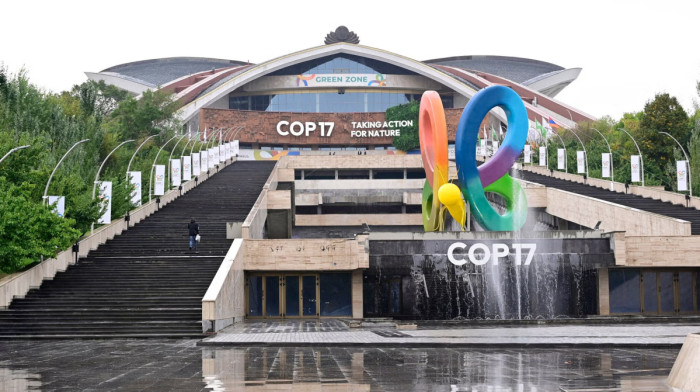
As Armenia prepares to host COP17, the 17th Conference of the Parties to the Convention on Biological Diversity, new projections reveal a widening gap between global conservation promises and what countries are on track to deliver by 2030.










What is your opinion on this topic?
Leave the first comment