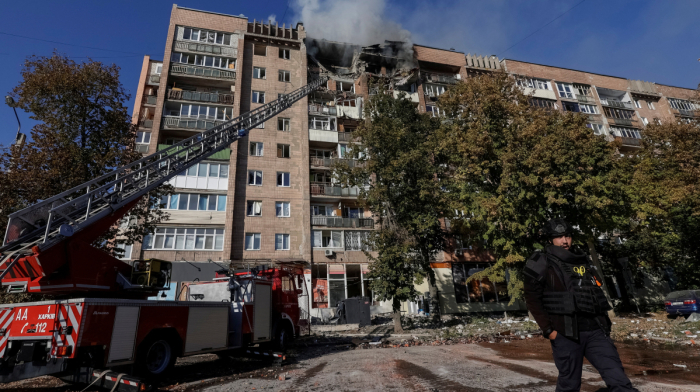
EBRD stated that Ukraine urgently needs new generation capacity after Russian attacks severely damaged its power sector, creating a significant shortfall in electricity generation. In response, the bank announced the launch of the Ukraine Renewable Energy Risk Mitigation Mechanism.
The Ukraine Renewable Energy Risk Mitigation Mechanism was presented at the Ukraine Recovery Conference in Rome, where the European Bank for Reconstruction and Development (EBRD) signed letters of intent with the European Union and the Netherlands.
The mechanism is expected to support 1 GW of new renewable energy capacity, potentially mobilising €1.5 billion ($1.75 billion) in investments.
Fundraising among donors has already started and will accelerate. The European Union has approved €180 million ($210 million) to support the mechanism under its Ukraine Investment Framework (UIF) and The Netherlands aims to provide grants of €12 million. Germany, Norway, Sweden, and Switzerland are also considering supporting the initiative.
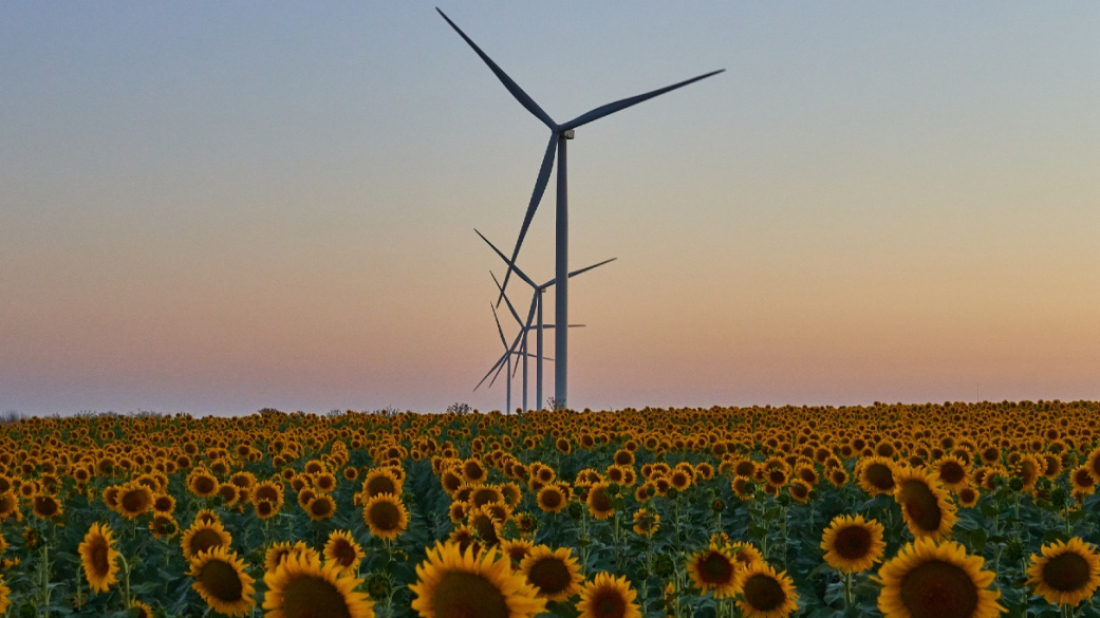
Ukraine has strong renewable energy potential and its Energy Strategy until 2050 emphasises the importance of new renewables. The initiative is backed by the EBRD, the European Commission, IFC, the World Bank, and Ukraine’s Business Advisory Council, with additional input from EUEA, UWEA and Green Deal Ukraïna.
The mechanism will stabilise revenues for renewable developers and help overcome market volatility, which the EBRD said has deterred investment despite Ukraine’s strong wind and solar potential.
Projects will be selected through competitive auctions, with the EBRD leveraging experience from 17 previous tenders in nine countries totalling 8GW.
The EBRD said the mechanism will be open to all financial institutions to lend to successful projects.
The EBRD said the new mechanism would accelerate investment in secure, clean energy and provide developers with confidence in future revenue streams.
It is one of three new programmes supported by the EU and implemented by the EBRD, alongside Financial Inclusion Recovery Programme, providing €200 million of guarantees with which €2 billion of lending to small- and medium-sized enterprises (SMEs) is targeted. The third is the SME Recovery Programme, providing €45 million to facilitate lending of €135 million for SMEs.
















What is your opinion on this topic?
Leave the first comment