live Israel launches wide‑scale strikes on western Iran - Middle East conflict on 15 March
Israel’s military says it has launched a wide‑scale wave of strikes targeting Iranian infrastructure in western Iran amid the intensifying ...
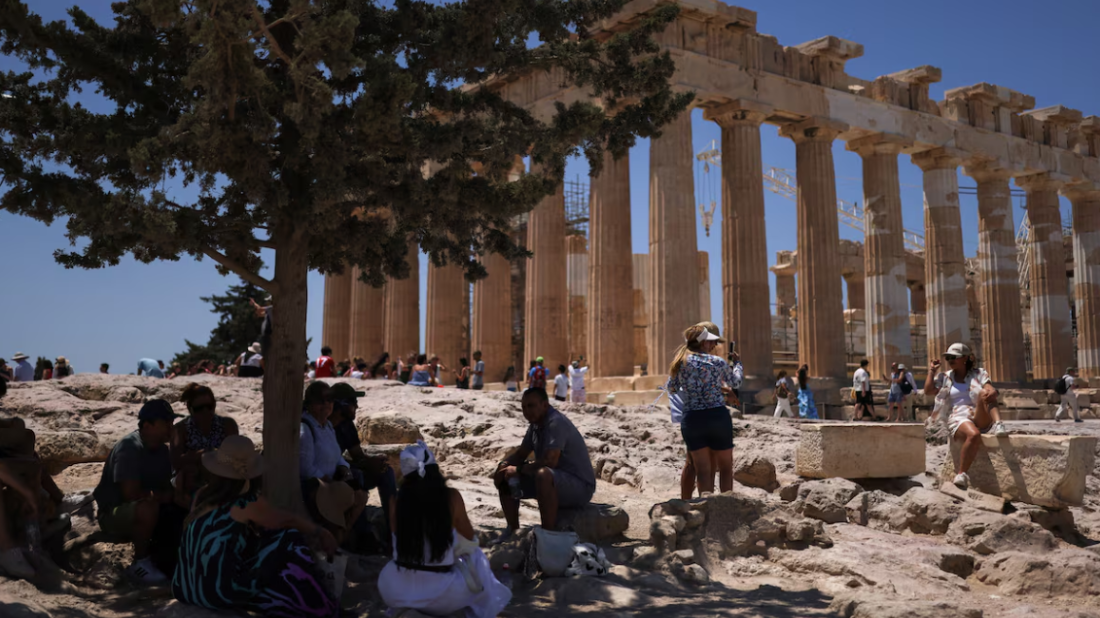
A searing heat wave sweeping in from Western Europe has gripped Greece, prompting emergency measures as temperatures soar across the country.
Greece is enduring another intense heat wave, with temperatures climbing as high as 42°C (107.6°F), particularly on the eastern mainland. The national meteorological services reported that on Monday, temperatures ranged from 38°C to 40°C (100.4°F–104°F) across much of the mainland, with eastern regions slightly hotter.
By Tuesday, the heat was expected to peak, with thermometres hitting 42°C in eastern areas. While western regions may experience some relief midweek, with a slight temperature drop, the eastern parts will remain under the grip of extreme heat.
Authorities anticipate some respite from Thursday, with temperatures forecast to fall by 7–8°C nationwide.
In response to the dangerous conditions, the Labour Ministry has implemented protective measures. A mandatory work stoppage for outdoor manual labourers and food delivery services is in effect from midday to 5 p.m. (0900–1400 GMT) during the heatwave period. These precautions aim to safeguard workers most vulnerable to the extreme temperatures.

A long-running investigation has suggested that the street artist known as Banksy may be legally named David Jones. A report indicates that Jones was previously known as Robin Gunningham, a name long associated with Banksy, before legally changing his name several years ago.
Israeli Prime Minister Benjamin Netanyahu issued veiled threats to Iran’s new Supreme Leader, Mojtaba Khamenei, and Hezbollah on Thursday (12 March), during his first press conference since the conflict with Iran began.
A widening conflict involving Iran, the United States and Israel has triggered escalating military strikes across the Middle East, disrupted shipping through the strategic Strait of Hormuz and raised concerns over global energy supplies. This live report tracks the latest developments.
North Korea fired what appeared to be a ballistic missile on Saturday (14 March), Japanese and South Korean officials said. The development comes amid the joint annual U.S.-South Korea "Freedom Shield" military drills and South Korean Prime Minister Kim Min-seok's visit to Washington.
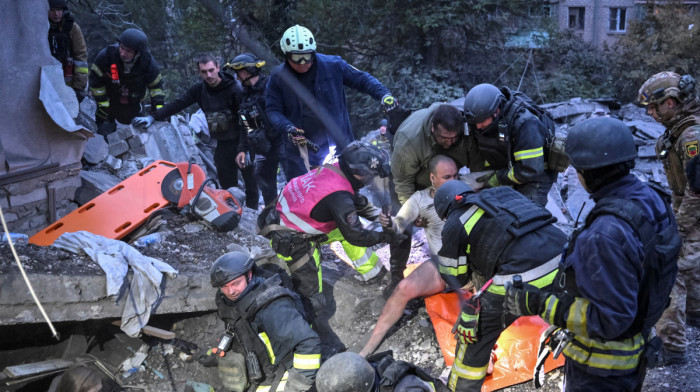
Ukrainian drones struck an oil refinery and a key port in Russia’s southern Krasnodar region overnight (13-14 March), local authorities said, causing injuries and damage. In separate action, Russian air attacks on Ukrainian territory killed and wounded civilians near Kyiv, officials reported.
The death toll from heavy rains and flooding in Brazil’s Minas Gerais state has risen to 46, authorities said, with 21 people still reported missing. The storms triggered landslides and widespread flooding, displacing thousands across Juiz de Fora and Uba.
The administration of U.S. President Donald Trump on Thursday (12 February) announced the repeal of a scientific finding that greenhouse gas emissions endanger human health, and eliminated federal tailpipe emissions standards for cars and trucks.
Tropical Cyclone Gezani has killed at least 31 people and left four others missing after tearing through eastern Madagascar, the government said on Wednesday, with the island nation’s second-largest city bearing the brunt of the destruction.
Rivers and reservoirs across Spain and Portugal were on the verge of overflowing on Wednesday as a new weather front pounded the Iberian peninsula, compounding damage from last week's Storm Kristin.
Morocco has evacuated more than 100,000 people from four provinces after heavy rainfall triggered flash floods across several northern regions, the Interior Ministry said on Wednesday.
You can download the AnewZ application from Play Store and the App Store.
What is your opinion on this topic?
Leave the first comment