Trump says China agreed to Nuclear risk talks, defends friendship with Putin
U.S. President Donald Trump has said China agreed for the first time to join trilateral talks on reducing nucle...
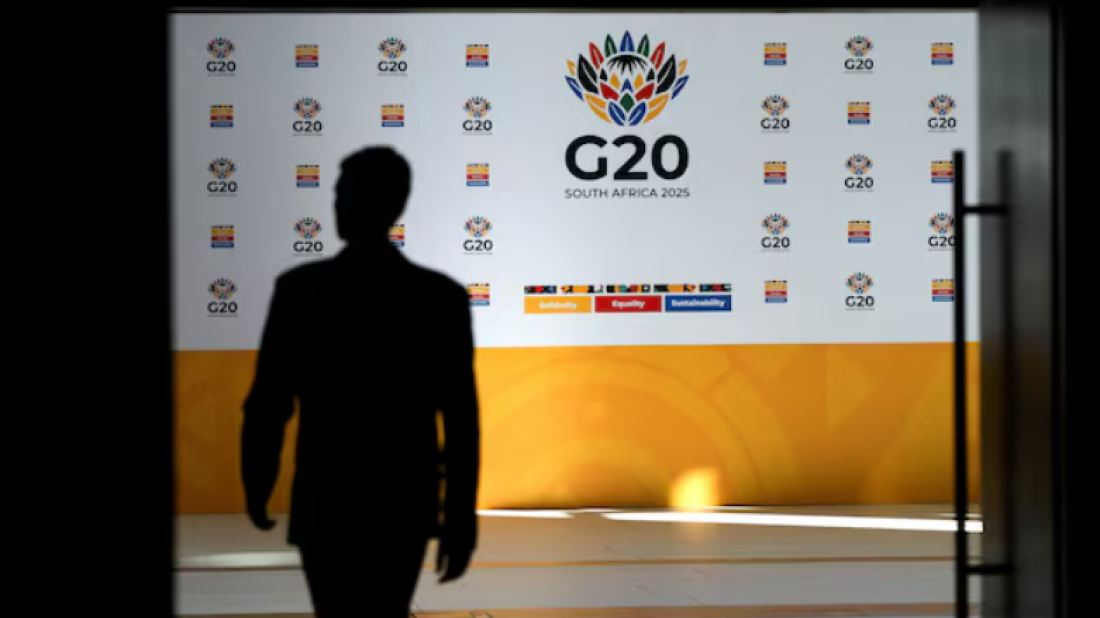
The Financial Stability Board (FSB), the G20’s financial regulator, has paused further climate policy work as the United States distances itself from key initiatives.
In an update to its 2021 climate roadmap, released during a G20 finance ministers' meeting in South Africa, the FSB pledged continued coordination and data sharing on climate-related financial risks but signalled a halt in new regulatory initiatives.
“While many members feel there is a need for more work, some members feel that the work completed to date is sufficient,” the FSB said, indicating divisions among member countries.
The U.S. Treasury’s absence from climate-focused groups and Treasury Secretary Scott Bessent’s reported no-show at the G20 meeting underscore Washington’s retreat from multilateral climate finance efforts.
Although the FSB will continue to monitor climate risks and support coordination among member institutions, it will no longer lead significant new supervisory or regulatory work in this area.
Progress made since 2023 includes assessments of transition planning, nature-related financial risk tracking, and improved tools to quantify losses from climate shocks such as wildfires and heatwaves.
The FSB will revisit climate-related topics annually, leaving future initiatives to its evolving work programme.
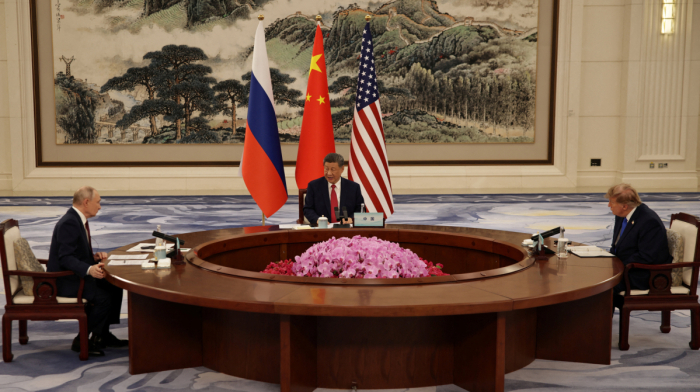
U.S. President Donald Trump, Russian President Vladimir Putin and Chinese President Xi Jinping are holding trilateral talks at the APEC summit in Shenzhen, China, with Ukraine, nuclear arms control and global security on the agenda.
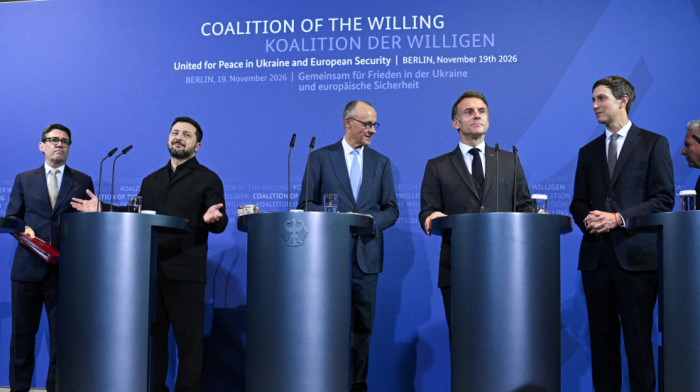
European leaders backing Ukraine met in Berlin on Thursday 19 November and warned that no peace deal should be settled without them.
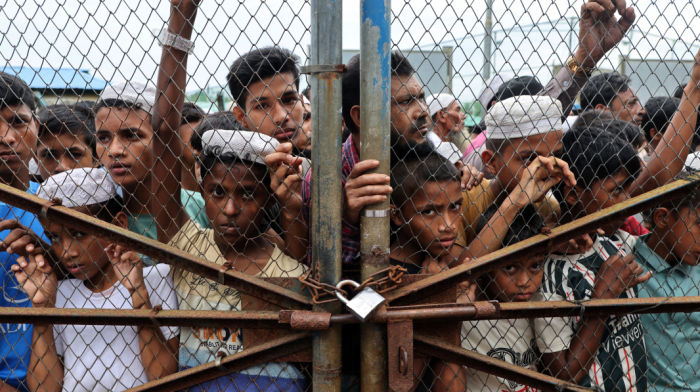
Myanmar's security forces committed genocide against Rohingya Muslims during a brutal military crackdown in 2017 that killed thousands and involved widespread sexual violence, the United Nations' top court ruled on 19 November.
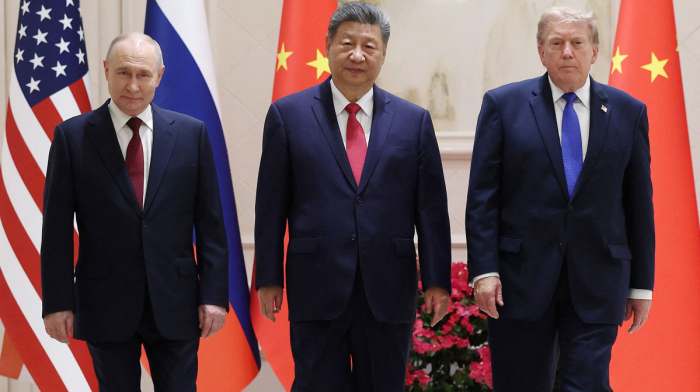
U.S. President Donald Trump, China's Xi Jinping and Russia's Vladimir Putin have issued a joint “declaration of peace” following historic talks in southern China, but stopped short of committing to nuclear arms reductions or addressing the war in Ukraine in their joint statement.
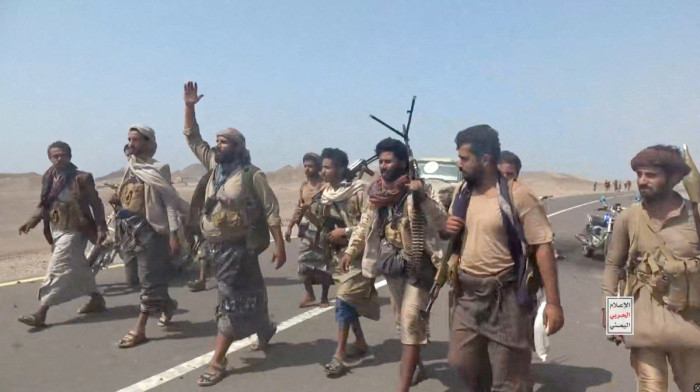
Saudi Arabia is preparing for up to six more months of fighting against Yemen’s Houthis, potentially extending the conflict into spring 2027, Reuters reported, as the kingdom struggles to secure gains on the ground.
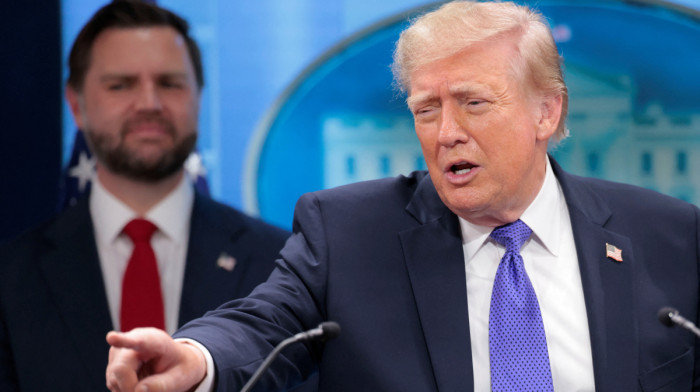
U.S. President Donald Trump has said China agreed for the first time to join trilateral talks on reducing nuclear risk at this week’s summit with Russia’s Vladimir Putin and China’s Xi Jinping.
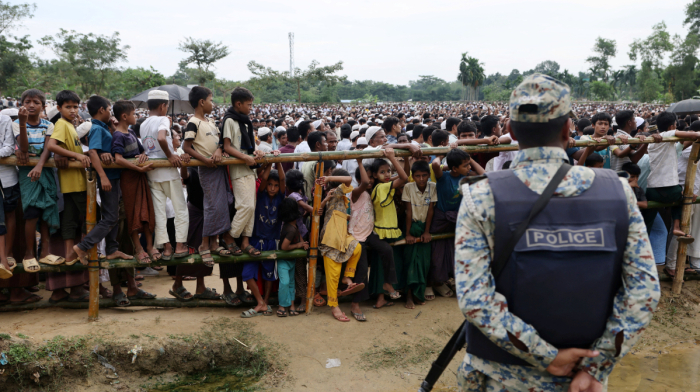
The United Nations' highest court has ruled that Myanmar committed genocide against its Rohingya Muslim minority during a 2017 military crackdown that forced hundreds of thousands to flee their homes.
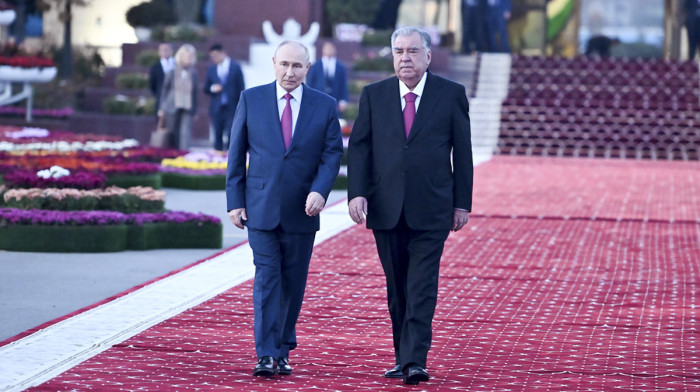
Tajik President Emomali Rahmon and Russian President Vladimir Putin held talks in Dushanbe on 20 November, focusing on labour migration, security along Tajikistan’s border with Afghanistan and the future of Russia’s military presence in the country.
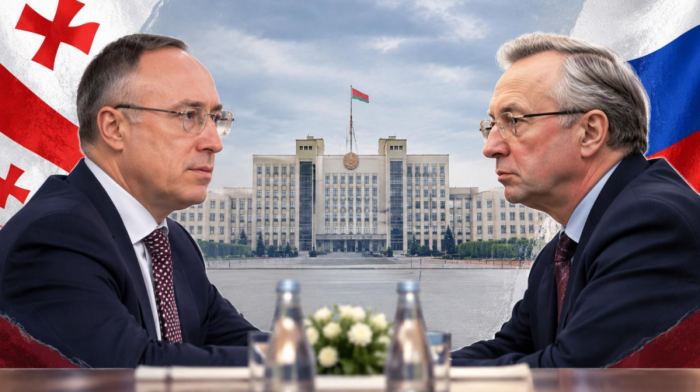
Georgia and Russia have resumed direct official talks, with senior diplomats meeting in Minsk on 19 November to discuss trade, economic cooperation and regional security, despite longstanding tensions between the two countries.
Students and workers took to the streets across Europe on Friday, 20 November, demanding better pay, affordable housing and more funding for education and public services, while protesting against rising military spending.
You can download the AnewZ application from Play Store and the App Store.
What is your opinion on this topic?
Leave the first comment