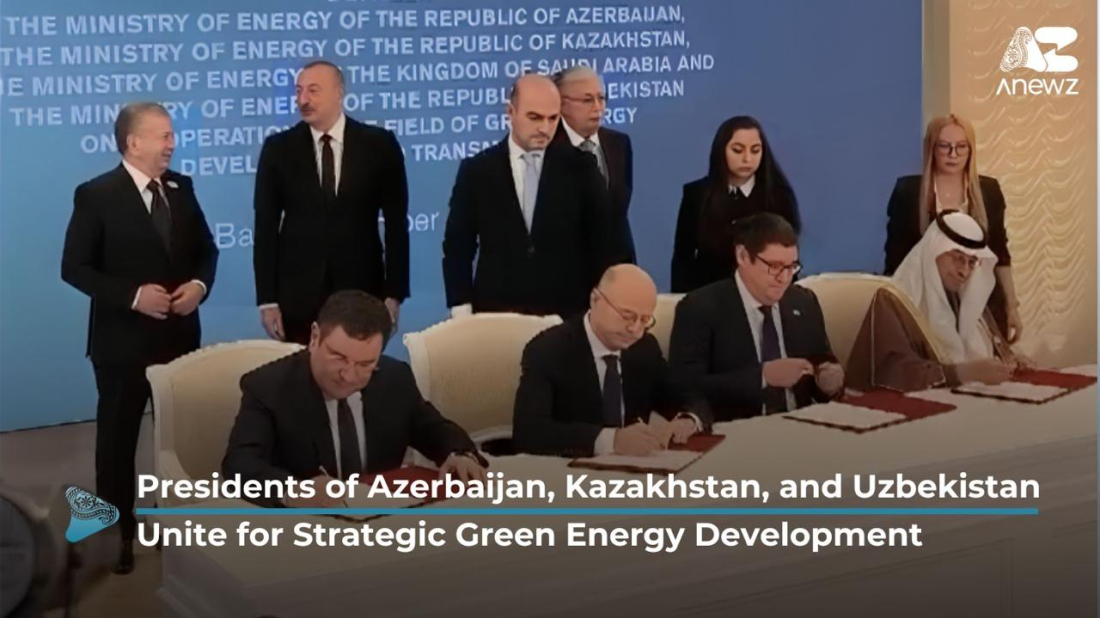
On November 13, Azerbaijan, Kazakhstan, and Uzbekistan signed a strategic partnership for green energy development. The leaders, joined by Saudi Arabia’s Energy Minister, formalized a program to boost cooperation in renewable energy projects and sustainable infrastructure.
On November 13, a significant trilateral meeting brought together the President of Azerbaijan, Ilham Aliyev; the President of Kazakhstan, Kassym-Jomart Tokayev; and the President of Uzbekistan, Shavkat Mirziyoyev, to advance their nations' cooperation in green energy.
During the discussions, the leaders signed the "Agreement on Strategic Partnership in the Development and Transmission of Green Energy," marking a major step toward collective goals of expanding renewable energy sources, improving energy security, and fostering sustainable development across the region.
This agreement aims to leverage the renewable energy potential of Azerbaijan, Kazakhstan, and Uzbekistan, focusing on projects in solar, wind, and other clean energy sectors. The partnership reflects a shared commitment to reducing carbon emissions and strengthening the region’s role in the global green energy transition.
In a follow-up ceremony, "Implementation Program for Cooperation in the Development and Transmission of Green Energy" was signed between Azerbaijan, Kazakhstan, Uzbekistan, and Saudi Arabia’s Minister of Energy, Prince Abdulaziz bin Salman Al Saud.
This program brings the Kingdom of Saudi Arabia into collaboration with the Ministries of Energy of Azerbaijan, Kazakhstan, and Uzbekistan, opening doors for investment, technology exchange, and infrastructure development to support the goals of the initial agreement.
These high-level agreements represent a unified regional effort toward green energy leadership, combining resources and expertise to drive sustainable growth and environmental stewardship in Central Asia and beyond.
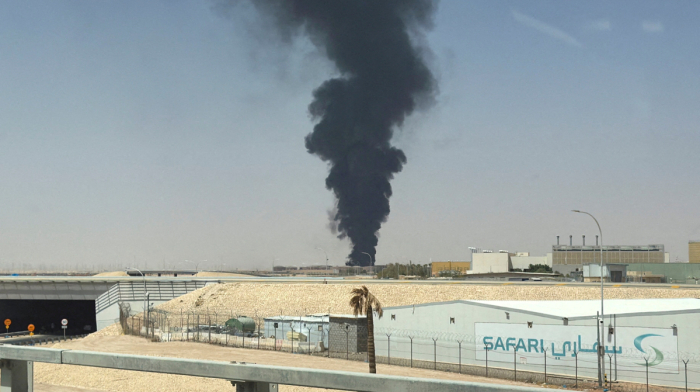
The explosion at King Khalid International Airport in Riyadh on Saturday afternoon killed at least 12 people and injured a further 309, according to Saudi Arabia’s Civil Aviation Authority. The airport remains closed until further notice.
Yemen's Houthis renewed warning to airlines, airport workers, and travellers against using Saudi airports, saying the warning should be taken seriously and that the kingdom “bore responsibility for failed interceptions”, a day after an attack on Riyadh's international airport that killed 12 people.
One person was killed and nearly a dozen hurt in a new attack Riyadh's international airport on Sunday, Saudi authorities reported, a day after a strike claimed by Yemen's Houthis that killed 13 people and wounded more than 300.
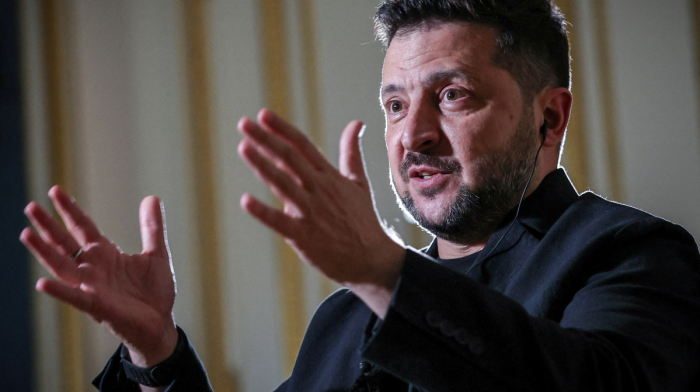
Ukraine is ready to stop attacks on Russian oil refineries if Moscow also halts strikes on Ukrainian energy infrastructure, President Volodymyr Zelenskyy said on Sunday.
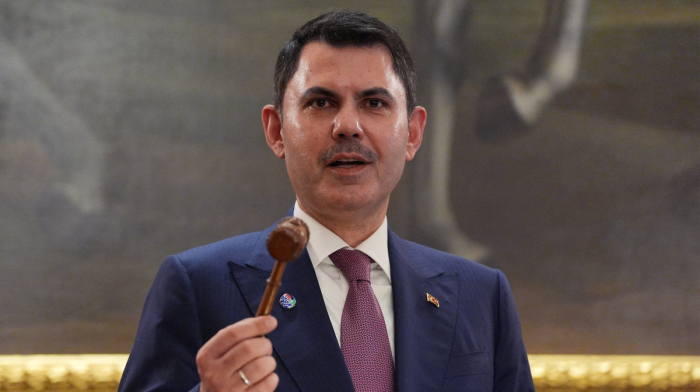
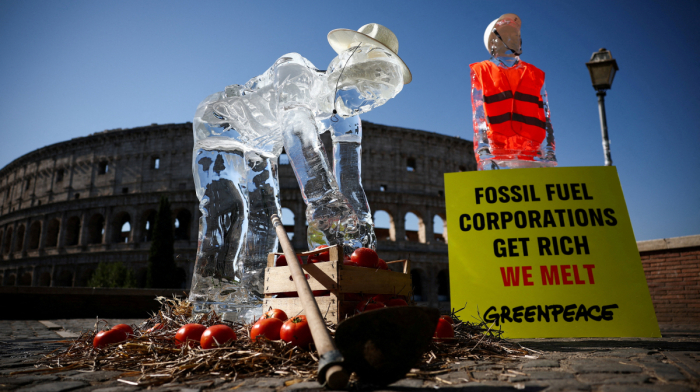
Türkiye’s COP31 presidency has unveiled an action agenda designed to turn climate commitments into concrete projects and measurable results, focusing on clean energy, waste reduction, resilient cities and industrial decarbonisation.
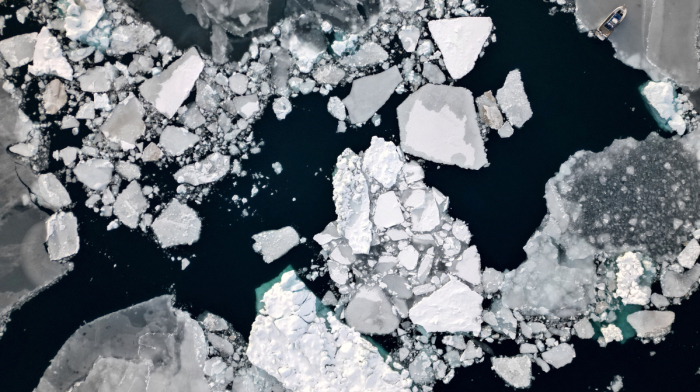
Greenland and Antarctica have shed a combined 11.3 trillion tonnes of ice since 1979, according to the most comprehensive satellite study of the planet's ice sheets to date, with researchers warning the pace of loss has accelerated sharply in recent decades.
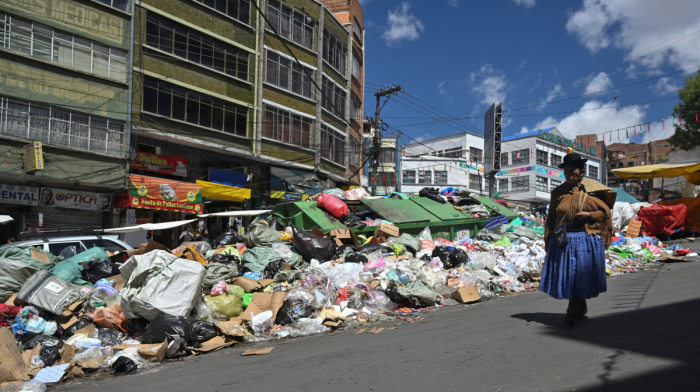
The European Union will continue allowing large-scale plastic waste exports to Türkiye despite concerns over recycling rates, environmental damage and the risk of illegal waste trafficking.
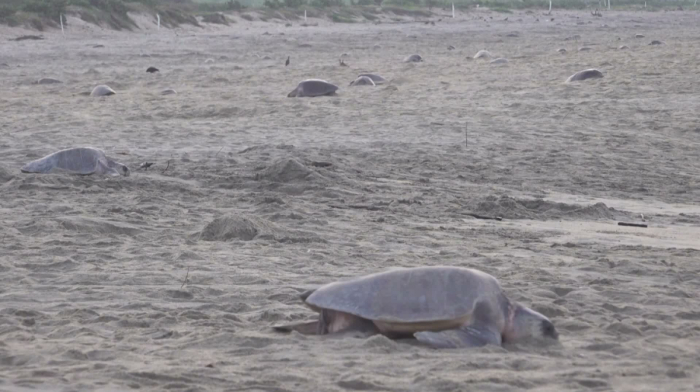
Hundreds of thousands of deep-diving turtles, known as olive ridley sea turtles, have arrived on Mexico’s southern coast for one of nature’s most striking nesting events. But conservation officials warn that climate change is making it increasingly difficult for their eggs to hatch.
August 2026 tied as the hottest month ever recorded globally, pushing average temperatures above the critical 1.5°C threshold as extreme weather swept across several regions, the EU’s Copernicus Climate Change Service said.
Download the AnewZ app
You can download the AnewZ application from Play Store and the App Store.















What is your opinion on this topic?
Leave the first comment