Peace only reliable guarantee of Armenia's security - Armenia
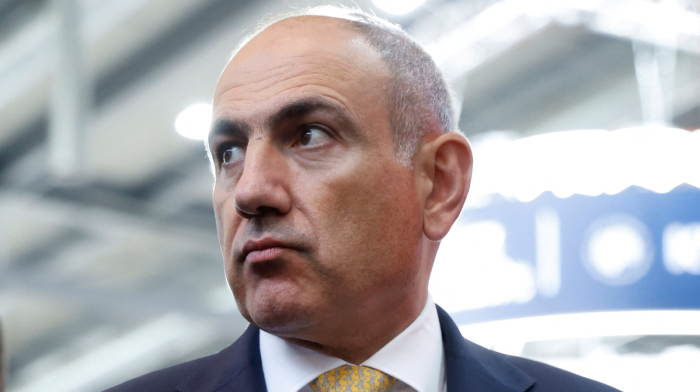
Peace is Armenia’s only reliable guarantee of security, Armenian Prime Minister Nikol Pashinyan has said in comments in Dublin, where he also...
Unprecedented air pollution levels in Pakistan's second-largest city of Lahore prompted authorities to take emergency measures
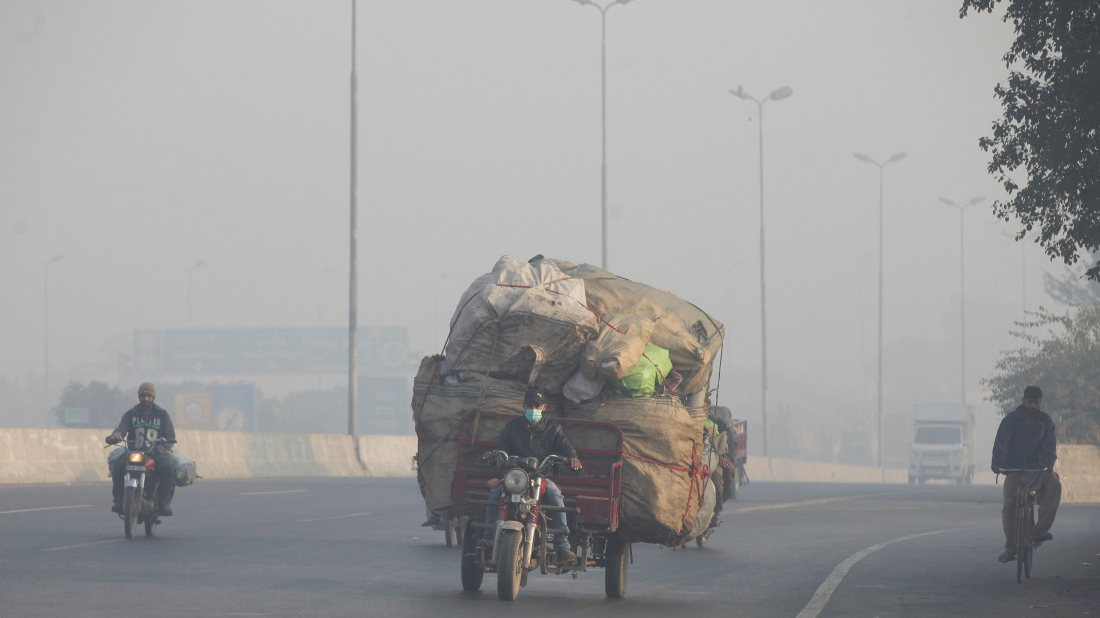
Unprecedented air pollution levels in Pakistan's second-largest city of Lahore prompted authorities to take emergency measures on Sunday, including issuing work-from-home mandates and closing primary schools.
The city held the top spot on a real-time list of the world's most polluted cities on Sunday after recording its highest ever pollution reading of 1900 near the Pakistan-India border on Saturday, based on data released by the provincial government and Swiss group IQAir.
The government has shut primary schools for a week, advising parents to ensure children wear masks, said Senior Minister of Punjab Marriyum Aurangzeb during a press conference, as a thick blanket of smog enveloped the city.
Citizens have been urged to stay indoors, keep doors and windows shut, and avoid unnecessary travel, she said, adding that hospitals had been given smog counters.
To reduce vehicle pollution, 50% of office employees would work from home, said Aurangzeb.
The government has also imposed a ban on three-wheelers known as rickshaws and halted construction in certain areas to reduce the pollution levels. Factories and construction sites failing to comply with these regulations could be shut down, she said.
Aurangzeb described the situation as "unexpected" and attributed the deterioration in air quality to winds carrying pollution from neighbouring India.
"This cannot be solved without talks with India," she said, adding the provincial government would initiate talks with its bigger neighbour through Pakistan's foreign ministry.
The smog crisis in Lahore, similar to the situation in India's capital Delhi, tends to worsen during cooler months due to temperature inversion trapping pollution closer to the ground.
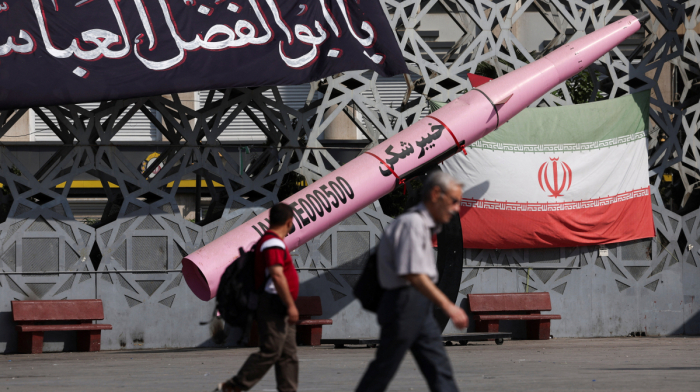
Iran’s Assembly of Experts has backed withdrawing from the Nuclear Non-Proliferation Treaty (NPT) and overhauling the country’s defence doctrine, calling both steps essential to national security and deterrence.
The U.S. Federal Aviation Administration lifted a nationwide ground stop on Friday (13 November) after a communications failure at air traffic control centres caused chaos at airports and triggered the longest nationwide shutdown since the 9/11 attacks in 2001.
President Vladimir Putin agreed on Thursday to let European representatives join the next round of Ukraine peace talks while the United States continues to work towards what could become the largest prisoner exchange of the Russia-Ukraine war.
Microsoft struggled to restore its services on Friday after a major outage disrupted Outlook, Teams and Copilot across the United States and Asia-Pacific region.
Here's your AnewZ Technology Daily Brief for the 13th of November. This week, a Microsoft outage hit Australian agencies, Google restricted mapping data in South Korea, a lawsuit targeted advanced AI development, and Nvidia faced a leadership crisis after Jensen Huang's resignation.
Lahore, the capital of Pakistan’s eastern Punjab province, has topped global rankings of the most polluted major cities as hazardous smog continues to blanket the region.
Uzbekistan has showcased its first artificial glacier project at the COP31 climate summit in Antalya, Türkiye, highlighting an innovative way to store winter water for use in warmer months as Central Asia grapples with worsening water shortages.
Uzbek President Shavkat Mirziyoyev has allocated $10 million to reinforce the Afghan banks of the Amu Darya River, where erosion threatens farmland and homes, the Afghanistan Chamber of Commerce and Investment (ACCI) said after talks in Balkh on Tuesday.
Extreme heat is threatening agricultural production and food security in Pakistan's eastern Punjab province, where increasingly frequent and severe heatwaves are disrupting farming, damaging livestock and reducing household incomes.
Global temperatures are projected to rise by up to 2.8°C above pre-industrial levels by 2100 under current climate policies, according to a United Nations report published on 21 October, raising concerns about the world's ability to meet international climate targets.
You can download the AnewZ application from Play Store and the App Store.
What is your opinion on this topic?
Leave the first comment