Rising living and fuel costs are dampening spending during Thailand’s Songkran festival, traditionally one of the country’s busiest holiday periods, as consumers and vendors scale back celebrations.
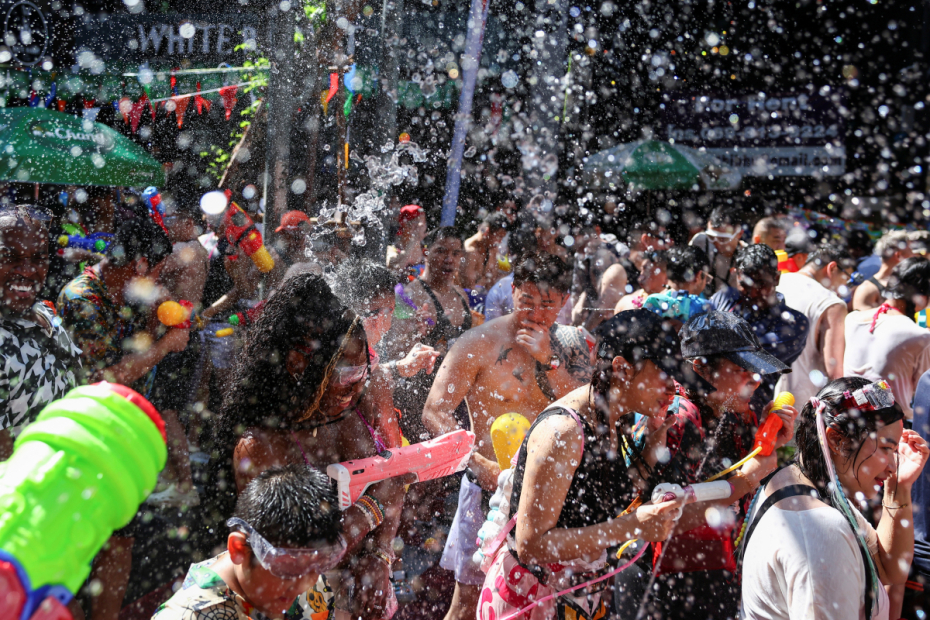
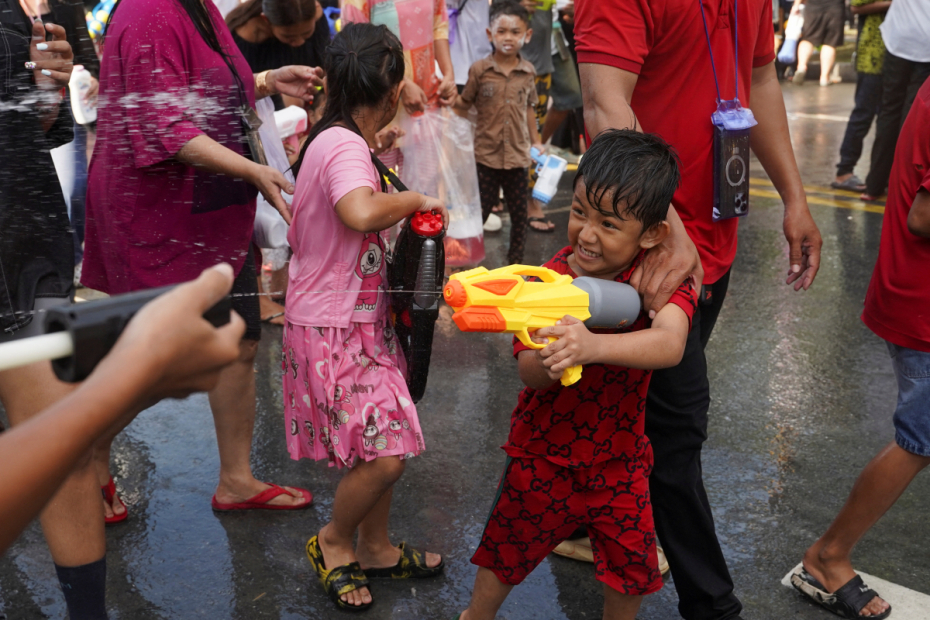
The annual festival, marking the Thai New Year, is known for large-scale water fights rooted in ancient rituals symbolising cleansing, renewal and good fortune.
It is also a major driver of domestic travel and tourism, drawing millions of people from across the country and abroad each year.
However, this year, businesses report weaker demand amid mounting economic pressures.
Retailers report falling sales
At Sampeng Market in Bangkok’s Chinatown, shop owners say sales of water guns - a staple of Songkran festivities - have fallen sharply compared with previous years.
“Our sales are down a lot. Profit is lower and we are stocking less,” said shop owner Saran Keavvichai.
“Fuel is expensive, many things are expensive. Merchants are afraid to invest,” Keavvichai concluded.
Vendors say higher costs are making both traders and customers more cautious, with some reducing inventory as demand softens.
Fuel prices have risen sharply in recent weeks following the conflict between the U.S. and Iran, which disrupted shipping through the Strait of Hormuz - a critical global energy route through which roughly a fifth of the world’s oil supply passes.
Restrictions on tanker traffic and heightened security risks have pushed up global oil prices, feeding into higher transport and living costs in import-dependent economies such as Thailand.
Travel plans scaled back
Songkran is typically one of Thailand’s biggest spending periods, generating billions in economic activity. In 2025, the festival was expected to generate more than 130 billion baht (around $3.5 billion), driven by tourism, retail and travel spending.
The three-day holiday period usually sees millions of people travel to their hometowns, boosting spending nationwide. This year, however, some consumers say rising transport costs are limiting travel plans.
“Transportation costs are high, travelling is difficult,” said shopper Yuparat Kheowsakhu.
“It’s probably not possible to visit other towns during Songkran,” he added.
Surveys suggest overall spending will decline this year, as households cut back on discretionary expenses and prioritise essential costs.
Economists say the slowdown reflects broader cost-of-living pressures, as higher fuel prices and inflation weigh on consumer confidence during what is normally a peak period for Thailand’s economy.
















What is your opinion on this topic?
Leave the first comment