UAE warns Strait of Hormuz must be protected in any U.S.-Iran deal
The United Arab Emirates has warned that any settlement between the United States and Iran must guarantee free passage through the Strait of Hormuz...
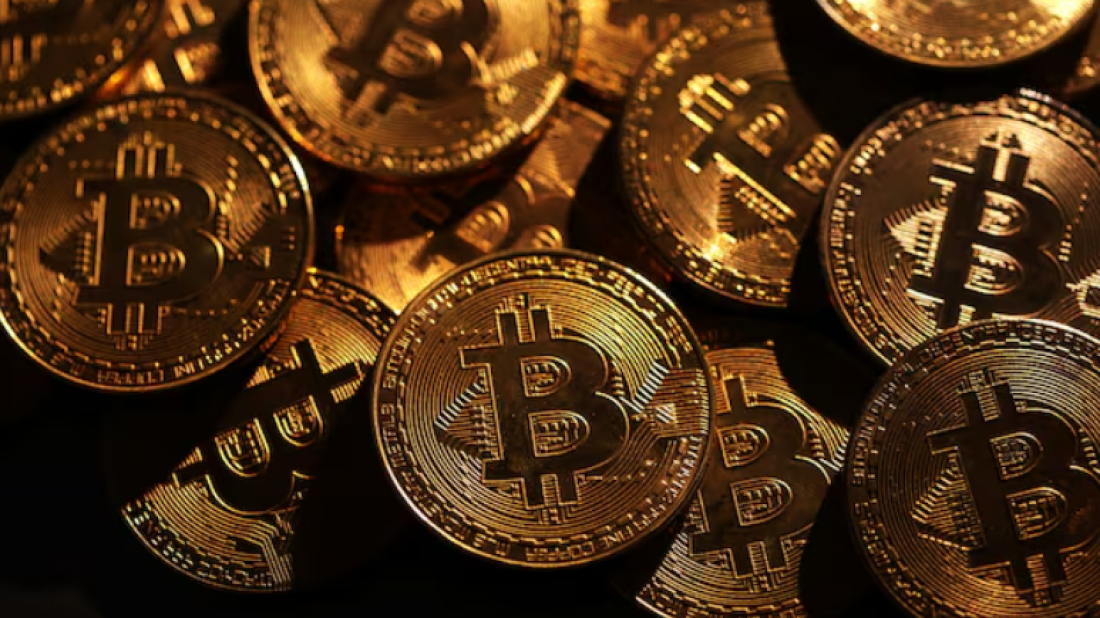
Bitcoin and other cryptocurrencies regained value following a ceasefire between Israel and Iran, bouncing back after steep losses during the 12-day conflict.
Cryptocurrency prices plunged during the recent flare-up between Israel and Iran, reflecting investor caution amid heightened geopolitical tensions. Bitcoin dropped from $107,000 to $102,000 after Israel began its airstrikes on 13 June, while altcoins across the market lost more than 10%.
The downtrend deepened as mutual strikes continued, dampening any short-term market optimism. The sharpest drop came on 22 June, when the U.S. entered the conflict by bombing Iranian nuclear sites - a move that pushed many altcoins down by more than 30%.
At its lowest point, the total value of the global cryptocurrency market fell from $3.4 trillion to $3 trillion - the lowest on record.
However, markets reacted positively after a ceasefire was announced. Bitcoin recovered to more than $106,000, nearly regaining its pre-conflict level. Altcoins also bounced back, many rising more than 20% to return to their earlier valuations.
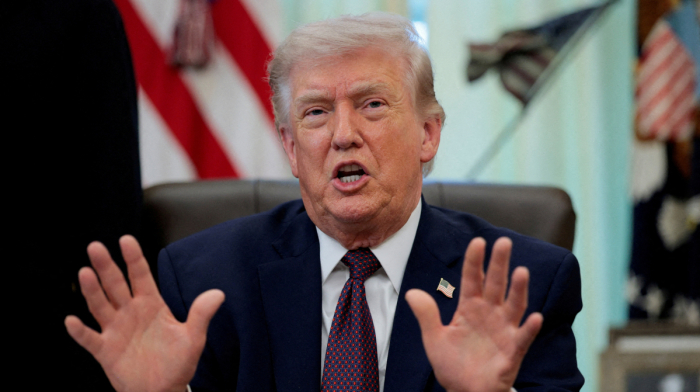
U.S. President Donald Trump threatened Iran's energy and transport infrastructure in a social media post containing expletives on Sunday (5 April), as he seperately gave Iran a deadline of Tuesday to reopen the Strait of Hormuz.
The crew of Artemis II mission are entering a pivotal phase of their journey, as they prepare to swing around the Moon and head back towards Earth. Now on the fifth day of their 10-day mission, the four astronauts are already witnessing views no human has ever seen.
The family of the late Virginia Giuffre have urged King Charles III to meet survivors of sexual abuse during his upcoming state visit to the United States.
Senegal has taken steps to curb government spending by banning non-essential foreign travel for ministers, as rising global oil prices place increasing pressure on the country’s finances.
India has purchased crude oil from Iran for the first time in seven years, as supply disruptions in the Middle East threaten global energy markets.
Major automakers showcased new electric vehicles at the New York Auto Show this week, under the slogan “electrification is the future." However, weakening demand in the United States and intense competition with China are raising questions for markets across the globe, including the South Caucasus.
The U.S. national average retail price of petrol rose above $4 a gallon for the first time in over three years on Monday (30 March), according to GasBuddy data, as the U.S.–Israeli war with Iran continued to roil global energy markets.
Japan and Indonesia will deepen coordination on energy security, Tokyo said, as the U.S.-Israeli war on Iran disrupts vital oil and gas flows to Asia.
China's three largest state-owned airlines have issued warnings regarding their financial outlook for the current year, acknowledging that the eruption of war involving Iran has driven jet fuel prices to unsustainable highs.
Stock markets across Asia fell on Monday as escalating conflict involving Iran drove oil prices sharply higher, fuelling fears of inflation and a potential global recession, with investors reacting to disruption risks in the Strait of Hormuz and prolonged hostilities.
You can download the AnewZ application from Play Store and the App Store.
What is your opinion on this topic?
Leave the first comment