WHO investigating cruise ship hantavirus cases after three deaths
The World Health Organisation (WHO) says it is supporting the response to a public health incident aboard a Net...
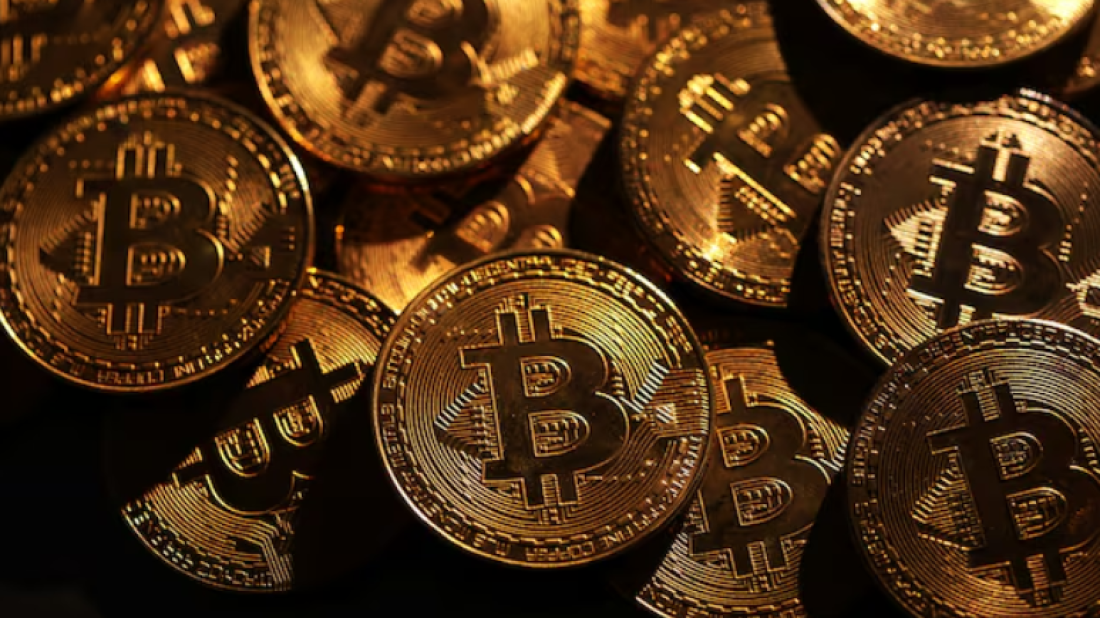
Bitcoin and other cryptocurrencies regained value following a ceasefire between Israel and Iran, bouncing back after steep losses during the 12-day conflict.
Cryptocurrency prices plunged during the recent flare-up between Israel and Iran, reflecting investor caution amid heightened geopolitical tensions. Bitcoin dropped from $107,000 to $102,000 after Israel began its airstrikes on 13 June, while altcoins across the market lost more than 10%.
The downtrend deepened as mutual strikes continued, dampening any short-term market optimism. The sharpest drop came on 22 June, when the U.S. entered the conflict by bombing Iranian nuclear sites - a move that pushed many altcoins down by more than 30%.
At its lowest point, the total value of the global cryptocurrency market fell from $3.4 trillion to $3 trillion - the lowest on record.
However, markets reacted positively after a ceasefire was announced. Bitcoin recovered to more than $106,000, nearly regaining its pre-conflict level. Altcoins also bounced back, many rising more than 20% to return to their earlier valuations.

President Trump has issued a warning to the international community, claiming a nuclear-armed Iran would strike Israel "very quickly" before targeting Europe and the United States.
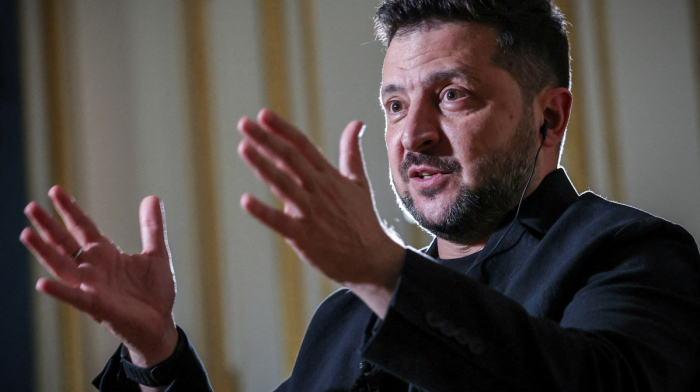
Ukraine is monitoring “unusual activity” along its border with Belarus, President Volodymyr Zelenskyy said in a video statement released on Saturday (2 May). He warned that Kyiv is ready to respond if necessary amid continued regional tensions linked to Russia’s war.
Hundreds of young people in South Korea have gathered in Seoul to take part in a city-backed “power nap contest”, aimed at drawing attention to the country’s chronic sleep deprivation.
Türkiye’s Vice President Cevdet Yılmaz is set to visit Armenia in early May to take part in the 8th European Political Community Summit, in what will be the highest-level Turkish visit to the country to date. Meanwhile, German Chancellor Friedrich Merz is reportedly expected to miss the forum.
China has moved to block U.S. sanctions on five of its oil refineries, in a fresh escalation of tensions over trade and energy policy.
U.S. President Donald Trump has said he will raise tariffs on cars and trucks imported from the European Union to 25% next week, up from the 15% level agreed last year, accusing the bloc of failing to comply with its trade commitments.
The decision by the United Arab Emirates to leave OPEC+ on 1 May has put renewed focus on one of the most influential groups in global energy - and how its decisions can shape oil prices worldwide.
The United Arab Emirates has said it's quitting OPEC from 1 May, dealing a major blow to the oil producers’ group and its de facto leader, Saudi Arabia, amid disruption caused by the Iran war.
As the Iran war disrupts global flows of oil and gas and energy prices skyrocket, the Drin River, which descends through the mountains of northern Albania, is acting as a kind of shield.
China has ordered Meta to unwind its more than $2 billion acquisition of artificial intelligence start-up Manus, marking a major escalation in Beijing’s scrutiny of foreign investment in sensitive technology sectors. The order was issued on Monday by the National Development and Reform Commission.
You can download the AnewZ application from Play Store and the App Store.
What is your opinion on this topic?
Leave the first comment