Maduro praises Venezuela’s military amidst ongoing tensions with U.S.
Venezuelan President Nicolás Maduro on Sunday praised the country’s armed forces as “invincible warriors” during a year-end ceremony honouring ...
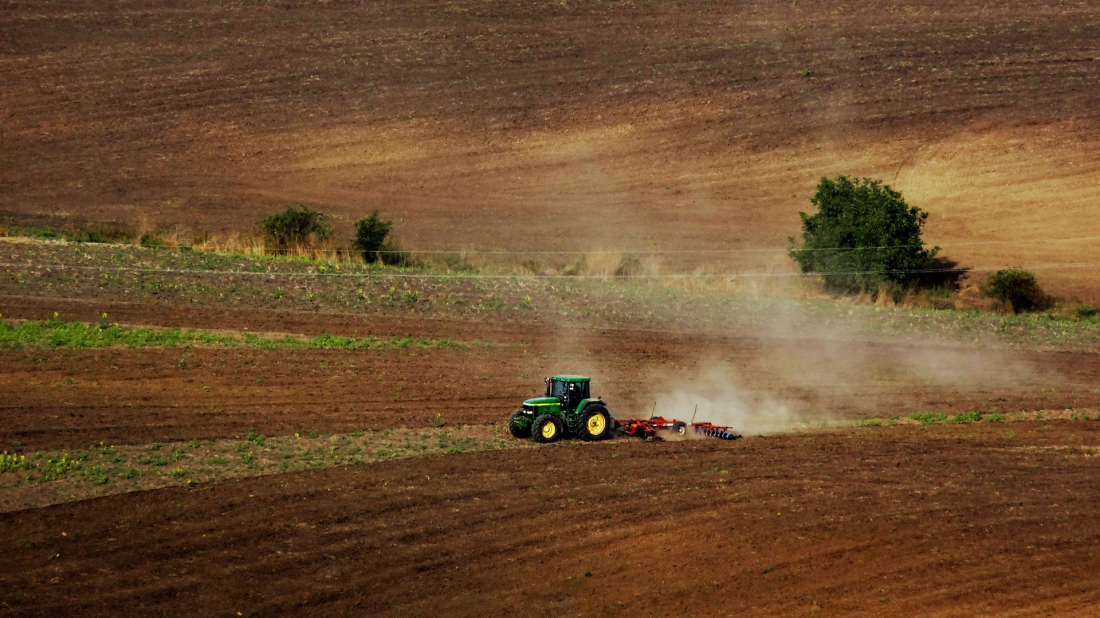
EU Council has adopted its position on a regulation that will impose tariffs on remaining agricultural products from Russia and Belarus, as well as certain nitrogen-based fertilizers. These tariffs aim to reduce Russian export revenues, limiting Russia's ability to finance its war against Ukraine.
The agricultural products affected by the new tariffs constitute 15% of all agricultural imports from Russia (in 2023). Once the new tariffs come into force, all agricultural imports from Russia will be subject to EU tariffs.
In 2023, the imports of the concerned fertilisers from Russia represented over 25% of the Union’s total imports (around 3.6 million tonnes (worth EUR 1.28 billion).
"We will carefully monitor the implementation of these tariffs to ensure that the EU fertiliser industry and farmers are protected, while simultaneously reducing EU dependencies, preserving global food security, and further weakening Russia’s war economy," - said Krzysztof Paszyk, Minister of Development and Technology of Poland.
The tariffs aim to reduce the dependency from Russia and Belarus and boost domestic production and support the EU’s fertiliser industry, while ensuring that Russia does not benefit commercially from continuing to export to the Union. They will also allow for the diversification of supply from third countries to create a stable fertiliser supply and, crucially, to ensure that fertilisers remain affordable for EU farmers, - the EU Council said in statement.
The tariff increases for the fertilisers will take place gradually, over a transition period of three years.
The proposal also includes measures to mitigate the impact on EU farmers, should there be a significant rise in fertiliser prices.
Once the European Parliament has adopted its position, both institutions will need to agree on a common text. The Council will then formally adopt the regulation by qualified majority.

A 7.0 magnitude earthquake struck offshore near Taiwan’s north-eastern county of Yilan late on Saturday, shaking buildings across the island, including in the capital Taipei, authorities said.
Brigitte Bardot, the French actress whose barefoot mambo in And God Created Woman propelled her to international fame and reshaped female sexuality on screen, has died at the age of 91, her foundation said on Sunday.
Iran is engaged in a “comprehensive war” with the United States, Israel, and Europe, Iranian President Masoud Pezeshkian stated on Saturday.
Japan’s tourism sector has experienced a slowdown after China’s government advised its citizens to reconsider travel to Japan, following remarks by Prime Minister Sanae Takaichi regarding Taiwan.
Venezuelan President Nicolás Maduro on Sunday praised the country’s armed forces as “invincible warriors” during a year-end ceremony honouring the Bolivarian National Armed Forces, held in the coastal city of La Guaira.
China has given the nod for car makers to sell Level 3 self-driving vehicles from as early as next year after it approved two electric sedans from Changan Auto and BAIC Motors.
Warner Bros Discovery’s board rejected Paramount Skydance’s $108.4 billion hostile bid on Wednesday (17 December), citing insufficient financing guarantees.
Ford Motor Company said on Monday it will take a $19.5 billion writedown and scrap several electric vehicle (EV) models, marking a major retreat from its battery-powered ambitions amid declining EV demand and changes under the Trump administration.
Iran has rolled out changes to how fuel is priced at the pump. The move is aimed at managing demand without triggering public anger.
U.S. stock markets closed lower at the end of the week, as investors continued to rotate out of technology shares, putting pressure on major indices.
You can download the AnewZ application from Play Store and the App Store.
What is your opinion on this topic?
Leave the first comment