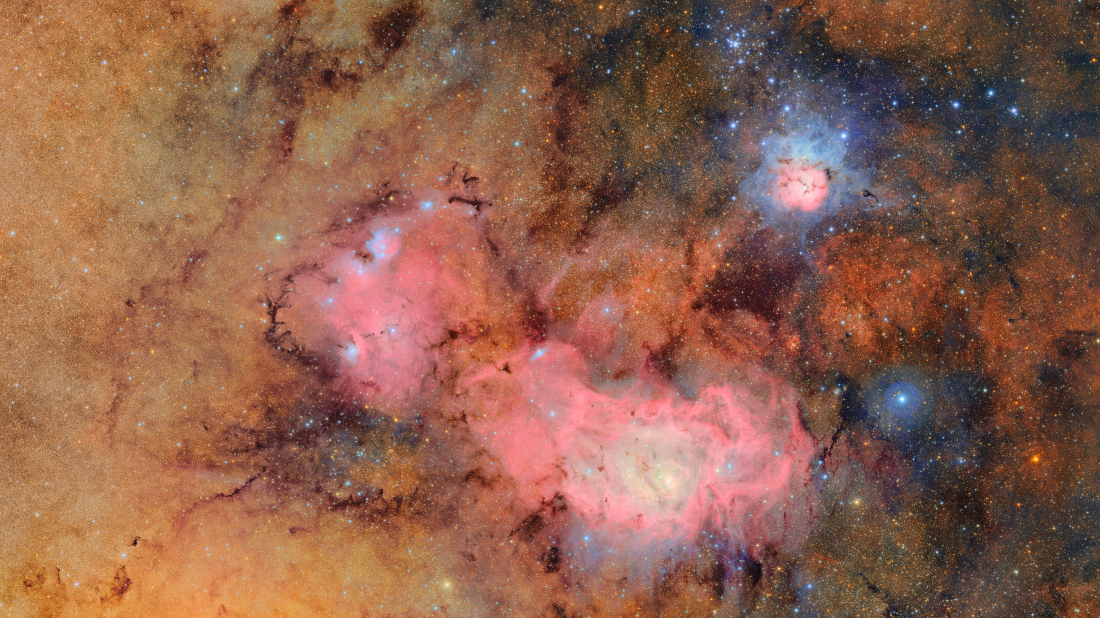
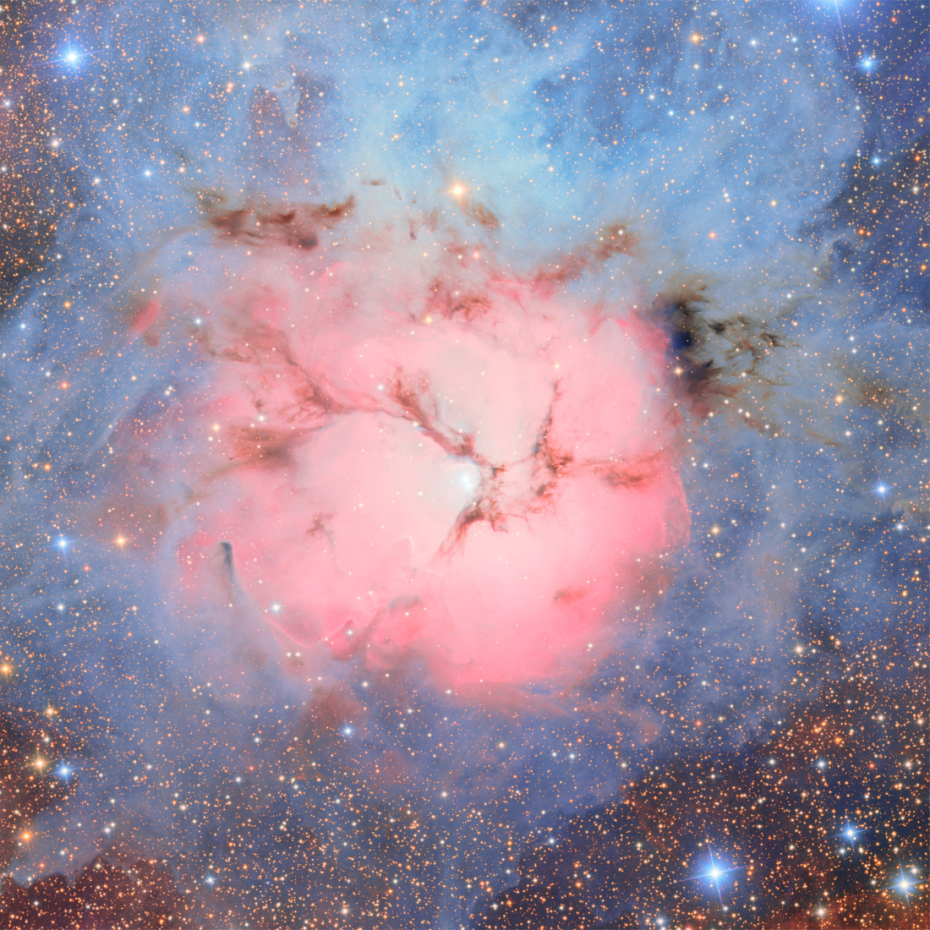
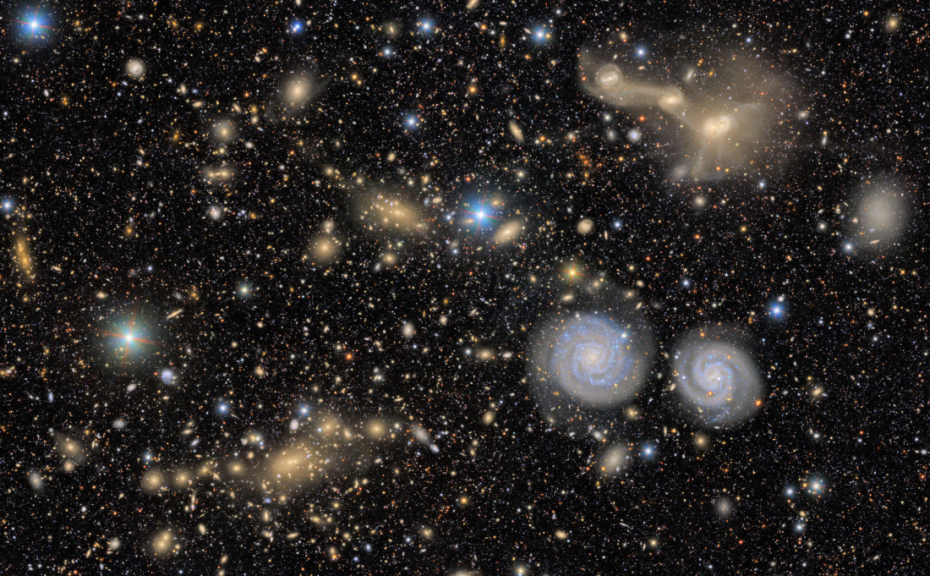
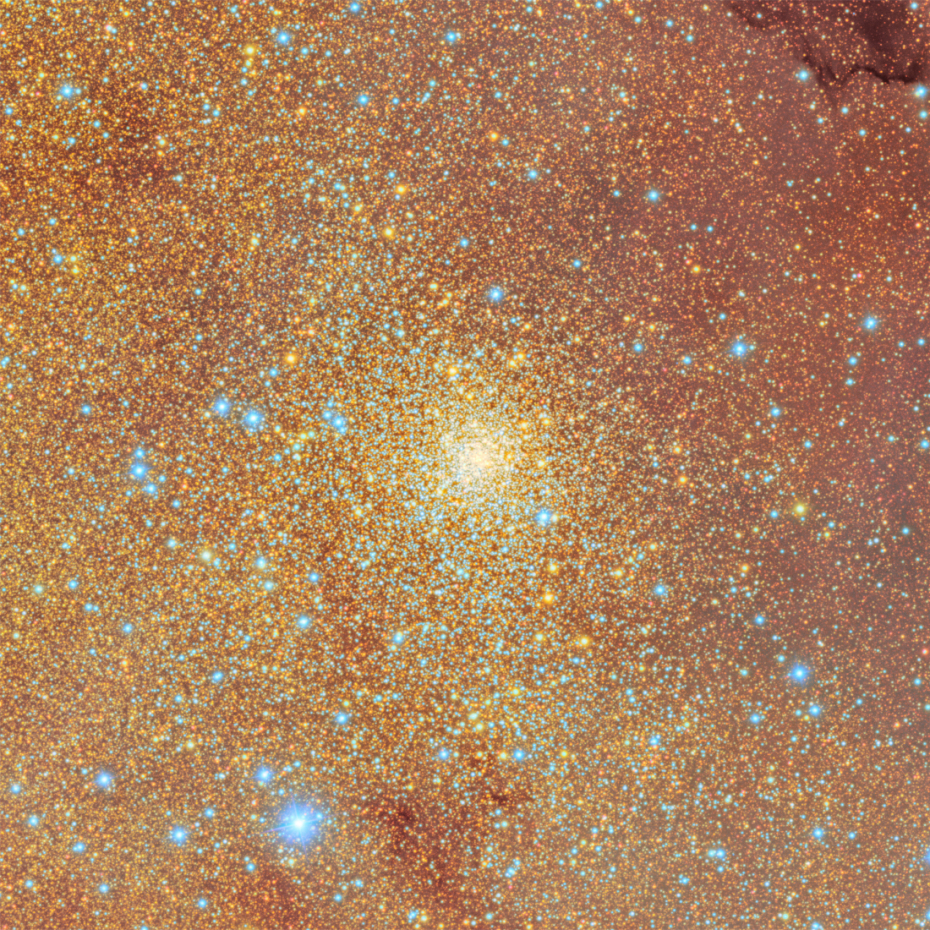
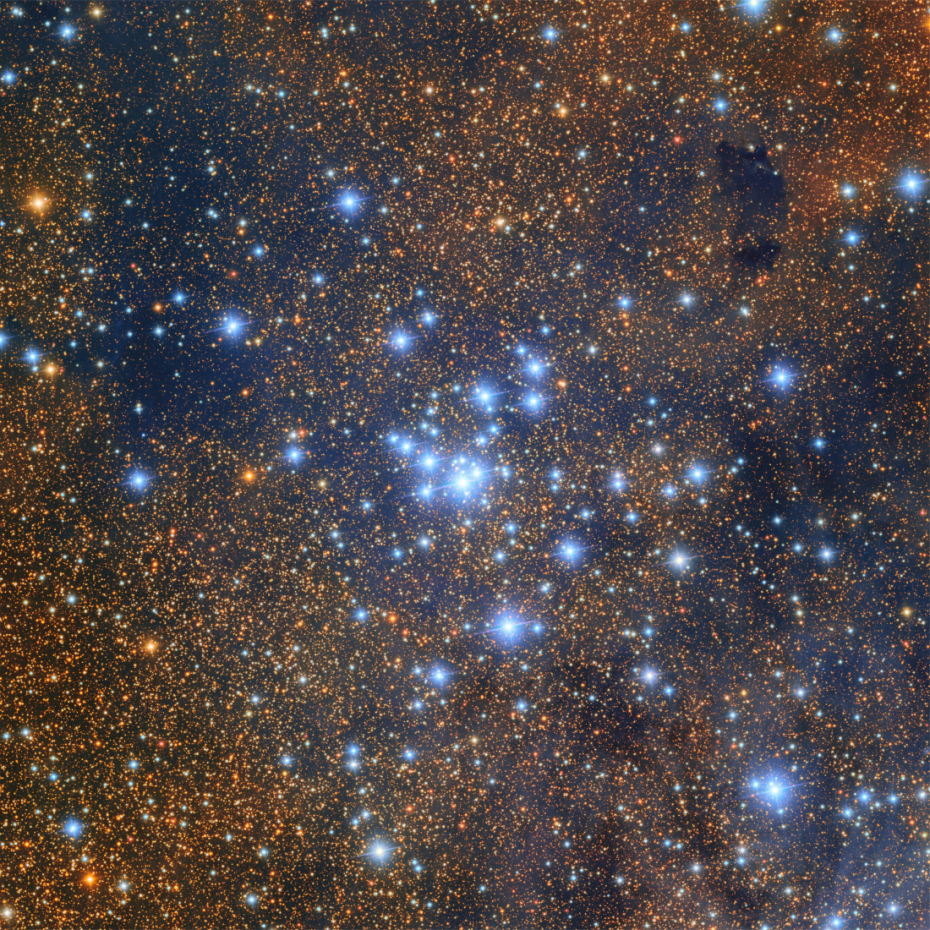
Chile's Vera C. Rubin Observatory has unveiled its first cosmic images, captured using the world's largest digital camera, paving the way for breakthroughs in understanding the solar system and monitoring asteroid threats to Earth.
Located atop Pachon Hill in northern Chile’s Coquimbo region, the Vera C. Rubin Observatory hosts an 8.4-metre telescope equipped with a groundbreaking 3,200-megapixel camera. The camera is integrated with an advanced data processing system, allowing astronomers to observe the sky with unprecedented depth and scale.
"It's really going to change and challenge the way people work with their data," said William O'Mullane, a project manager focused on data at Vera Rubin.
During just 10 hours of initial observations, the observatory detected over 2,100 previously unseen asteroids while surveying a small area of the visible sky. By comparison, all ground-based and space-based observatories combined discover roughly 20,000 asteroids in an entire year.
O'Mullane emphasised that the observatory will enable astronomers to gather vast amounts of data rapidly, often revealing unexpected findings.
"Rather than the usual couple of observations and writing an (academic) paper. No, I'll give you a million galaxies. I'll give you a million stars or a billion even, because we have them: 20 billion galaxy measurements," he said.
The observatory is named after American astronomer Vera C. Rubin, who provided the first conclusive evidence for the existence of large amounts of invisible material now known as dark matter.
Each night, the Rubin Observatory will capture approximately 1,000 images of the southern hemisphere sky, enabling a full scan of the southern sky every three to four nights. Its location in Chile’s Atacama Desert – renowned for its clear and dark skies – makes it ideal for astronomical research.
Astrophysicist Francisco Foster highlighted the magnitude of data the observatory will produce.
"The number of alerts the telescope will send every night is equivalent to the inboxes of 83,000 people. It's impossible for someone to look at that one by one," Foster said.
He added that the observatory will rely on artificial intelligence tools to manage and analyse the immense volumes of nightly data.
The Vera C. Rubin Observatory promises to revolutionise astronomy by enabling discoveries across vast areas of space, offering insights into the solar system's formation, tracking potential asteroid threats, and deepening humanity’s understanding of the universe.



















What is your opinion on this topic?
Leave the first comment