You may not think much about ammonia, but it plays a huge role in your life. It's a key ingredient in fertilisers that help grow nearly half the world's food. It could also be the future of clean energy. But the way we make ammonia today is dirty, outdated, and energy hungry.
That’s where artificial lightning comes in.
A team of researchers at the University of Sydney has developed a new way to produce ammonia using electricity, essentially mimicking lightning in a box. It could be a breakthrough in our quest for 'green ammonia.'
Why do we need a new method?
For over a century, we’ve made ammonia using the Haber-Bosch process, a method developed in the early 1900s. It works, but there’s a problem: it’s incredibly energy-intensive and heavily dependent on fossil fuels.
About 90% of the world’s ammonia is made this way, and it accounts for nearly 2% of global carbon emissions.
“Industry’s appetite for ammonia is only growing,” said Professor PJ Cullen, lead researcher from the University of Sydney. “We need a low-cost, decentralised and scalable green alternative.”
Ammonia from thin air
The researchers have managed to create ammonia gas directly from air using electricity, no fossil fuels required.
Here’s how it works:
1. Plasma sparks the air
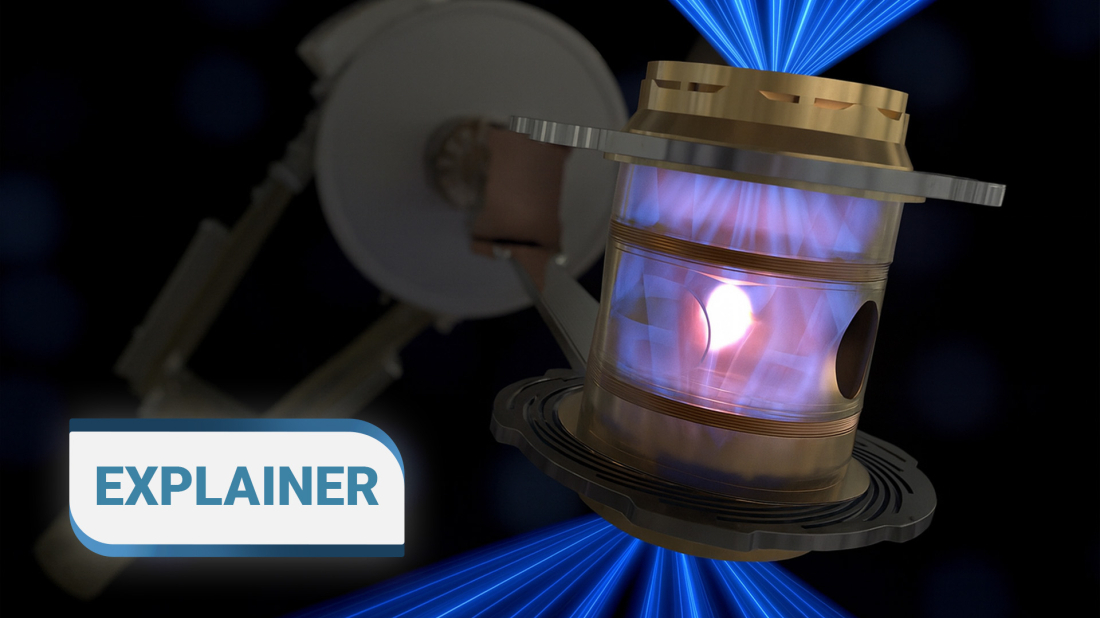
Electricity is used to excite nitrogen and oxygen molecules in the air. This creates plasma, an energetic state of matter, similar to the glow of lightning.
2. A special electrolyser does the rest
These excited molecules are passed through a membrane-based electrolyser (a shiny silver box, to be exact) that converts them into ammonia gas.
“In this research, we’ve successfully developed a method that allows air to be converted to ammonia in its gaseous form using electricity,” said Cullen. “A huge step towards our goals.”
Why gas form matters
Previous attempts by other labs produced ammonium in liquid form (NH₄⁺), which then required extra steps and more energy to convert into usable ammonia gas (NH₃). The Sydney team skips that step entirely.
By producing ammonia directly in gas form, their process is faster, simpler, and more energy efficient.
What’s so special about ammonia, anyway?
Besides fertilisers, ammonia has three hydrogen atoms—making it an ideal way to store and transport hydrogen. That’s a big deal for the clean energy transition.
Ammonia can be 'cracked' to release hydrogen, which can then be used in fuel cells, power plants, or even vehicles. It’s also being explored as a carbon-free marine fuel—a cleaner alternative for ships, which currently account for about 3% of global greenhouse gas emissions.
“Ammonia could be the missing link in the hydrogen economy,” says Cullen.
What comes next?
The plasma part of the process is already efficient and scalable. But there’s still work to be done on improving the electrolyser’s energy efficiency to make the entire system competitive with the traditional Haber-Bosch method.
“This new approach is a two-step process, namely combining plasma and electrolysis,” Cullen explained. “We’ve already made the plasma component viable. Now we need to push the efficiency of the electrolyser.”
Big impact, small footprint
The new method could allow ammonia to be produced locally—no need for massive industrial plants or long-distance transport. That means farmers in remote areas could one day generate their own fertiliser, and countries without access to cheap fossil fuels could still develop clean hydrogen industries.
It’s a promising step toward a decentralised, low-carbon future.
Final thoughts
This isn't science fiction, its science catching up to what nature has been doing all along - creating ammonia from lightning. With human-made plasma and smart engineering, we may finally have a cleaner way to grow food, fuel ships, and build a hydrogen-powered future.
As Professor Cullen puts it: “We’re excited to move from the lab to real-world impact. The spark is just the beginning.”



















What is your opinion on this topic?
Leave the first comment