Peggy Whitson, NASA retiree turned private astronaut, headed for splashdown in the Pacific on Tuesday after her fifth trip to the International Space Station, joined by crewmates from India, Poland, and Hungary returning from their countries’ first ISS mission.
A SpaceX Crew Dragon began its 22-hour journey back to Earth on Monday, 18 days after docking with the space station. If all goes smoothly, it will parachute into the Pacific near California at 2:30 a.m. PDT (09:30 GMT) after re-entering the atmosphere.
The return flight concludes the fourth ISS mission organised by Texas-based start-up Axiom Space in collaboration with Elon Musk's California-headquartered private rocket venture SpaceX.
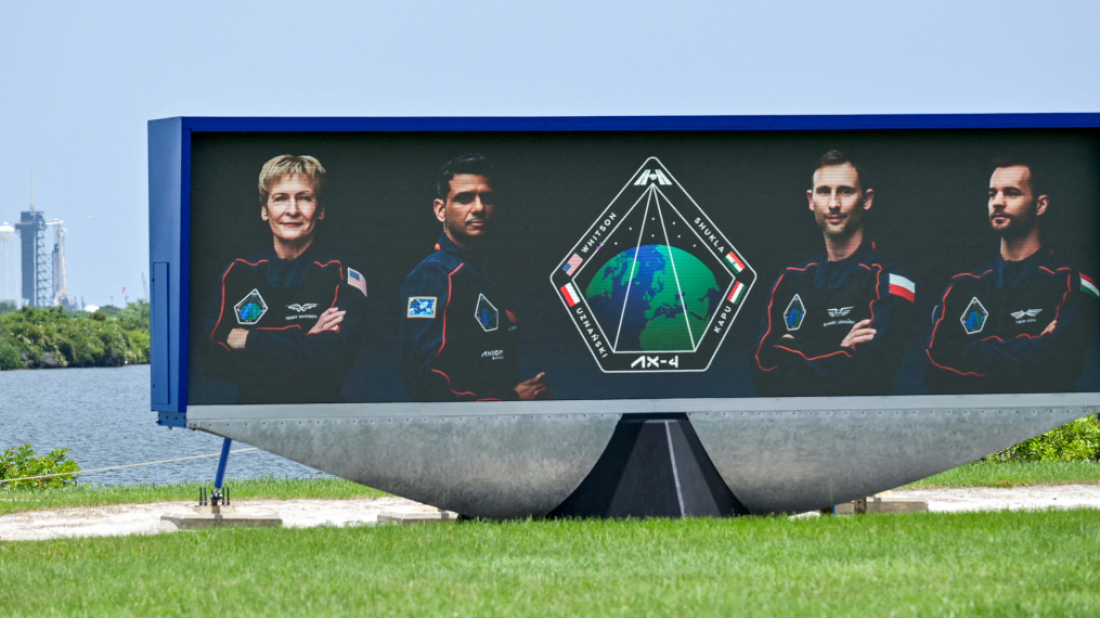
The Axiom-4 mission was led by 65-year-old Peggy Whitson, a former NASA astronaut who was the agency’s first female chief and the first woman to command the ISS.
Now Axiom’s director of human spaceflight, Whitson had already spent 675 days in space—a U.S. record—across three NASA missions and a 2023 Axiom-2 flight. Her Axiom-4 mission adds about three more weeks to that total.
Joining her on Axiom-4 were Shubhanshu Shukla (39) from India, Slawosz Uznanski-Wisniewski (41) from Poland, and Tibor Kapu (33) from Hungary.
The crew is bringing back science samples from over 60 microgravity experiments, which will be sent to researchers on Earth for analysis.
For India, Poland, and Hungary, this mission marked their first human spaceflights in over 40 years—and their first ever to the ISS through national space programmes.
Shukla, an Indian Air Force pilot, is seen as a step towards India’s first crewed Gaganyaan mission, planned for 2027.
Uznanski-Wisniewski represents Poland through the European Space Agency, while Kapu flew under Hungary’s HUNOR programme—though he’s not the first person of Hungarian descent to visit the space station.
Hungarian-born billionaire Charles Simonyi, now a U.S. citizen, visited the ISS twice as a space tourist in 2007 and 2009, travelling aboard Russian Soyuz capsules. Unlike government-sponsored astronauts, however, his trips were privately funded and not part of any official national mission.
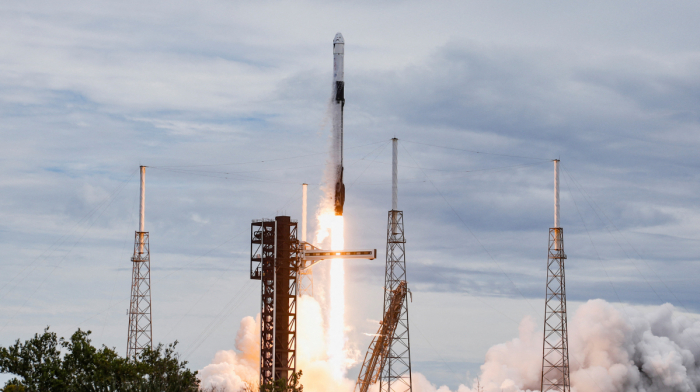
Nicknamed "Grace" by its crew, the capsule launched on June 25 from NASA’s Kennedy Space Center in Florida, debuting as the fifth spacecraft in SpaceX’s Crew Dragon fleet.
Axiom-4 is also SpaceX’s 18th crewed mission since 2020, when the company began flying U.S. astronauts from American soil for the first time since the space shuttle programme ended.
For Axiom—a nine-year-old company co-founded by a former NASA ISS programme manager—the mission expands its business of sending astronauts backed by private firms and foreign governments into low-Earth orbit.
Axiom is also one of the few companies developing a commercial space station of its own, intended to eventually replace the ISS, which NASA expects to retire around 2030.


















What is your opinion on this topic?
Leave the first comment