Why Tashkent's summer storms are becoming more intense
Unusually heavy rain, thunderstorms and hail during Uzbekistan's hottest season have sparked widespread debate over the causes. While some blame clima...
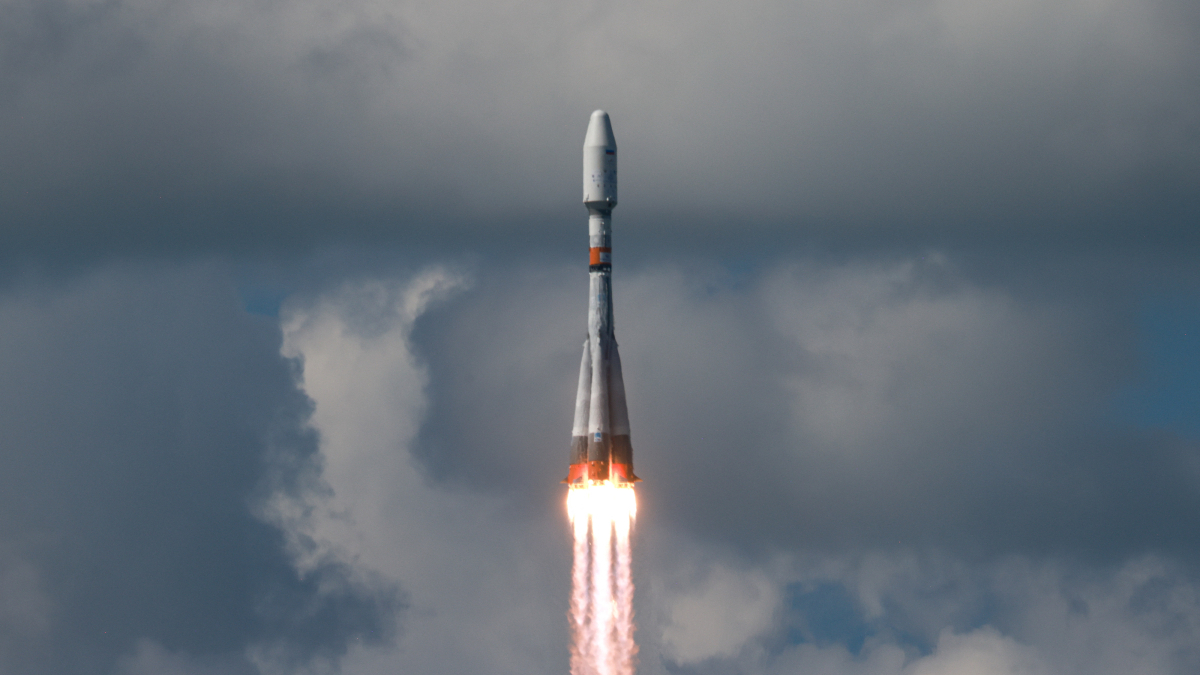
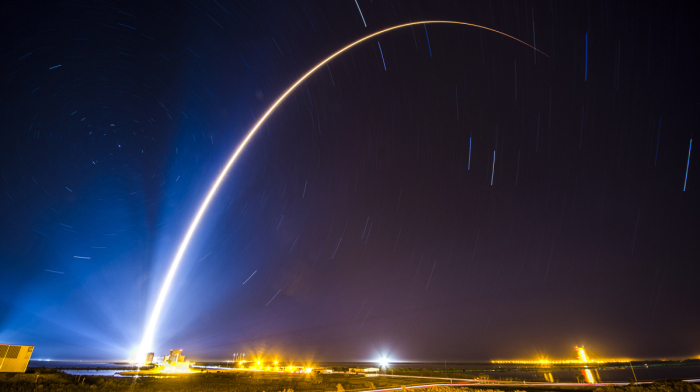
Iran successfully launched three satellites on Sunday using a Russian Soyuz rocket from Russia’s Far East, marking the latest stage in growing Iran-Russia space cooperation.
The satellites Kowsar 1.5, Paya, and Zafar-2 were carried alongside payloads from other countries, including Kuwait and Belarus.
Kowsar 1.5 is an upgraded remote-sensing satellite developed for high-resolution imaging, with a particular focus on agricultural applications. It was produced by a local knowledge-based company in collaboration with the Iranian Space Agency, demonstrating growing public-private cooperation within Iran’s space sector.
Zafar-2, designed by the Iran University of Science and Technology, is an advanced Earth-observation platform weighing between 100 and 135 kilograms. It is intended to provide high-resolution imagery for monitoring and managing natural resources.
The heaviest of the three, Paya, at approximately 150 kilograms, was produced by Iran Electronics Industries with support from the Iranian Space Agency. It is regarded as one of Iran’s most advanced domestically built imaging satellites.
The launch was broadcast live by Iran’s state media. No official reaction has yet been reported from the United States or European countries, which have previously raised concerns over Iran’s satellite programme, citing potential violations of UN Security Council resolutions—a claim Iran has consistently rejected.
Ahead of the launch, Foreign Minister Abbas Araghchi emphasised the civilian and scientific nature of the programme, stating:
"Iran’s activities in nuclear science, defence industries, nanotechnology, and satellite development are entirely peaceful and intended for peaceful purposes."
Kazem Jalali, Iran’s ambassador to Russia, highlighted Tehran-Moscow collaboration in the space sector, noting that this launch marks the seventh Iranian satellite carried into space by Russia. He said the partnership reflects ongoing cooperation in satellite technology, launch vehicles, and deployment.

The death toll from Venezuela's devastating twin earthquakes has risen to 3,342, according to the country's information ministry, as rescue teams continue searching affected areas and survivors face an uncertain recovery.
Russia's Defence Ministry has said its forces are clearing the town of Lyman in Donetsk of Ukrainian forces, Moscow's state news agency Tass reported. Meanwhile, Russian attacks killed at least six people across three Ukrainian regions on Friday, regional officials said.
Governments are tightening restrictions on teenagers’ use of social media amid growing concerns over mental health, online safety and platform design, but questions remain over enforcement and whether bans can meaningfully change behaviour.
President Donald Trump said Iran is keen to reach a deal with the United States, claiming Washington had paused engagement to allow funeral ceremonies for late Iranian Supreme Leader Ali Khamenei.
Mexico's national football team has returned luxury Rolex watches gifted by American content creator Stevewilldoit after concerns that they could conflict with FIFA's ethics rules.
Humanoid robots stumbled, collided and recovered as they battled for the RoboCup 2026 football title on Sunday (5 July), showcasing the latest advances in robotics and artificial intelligence at the world's largest competition of its kind.
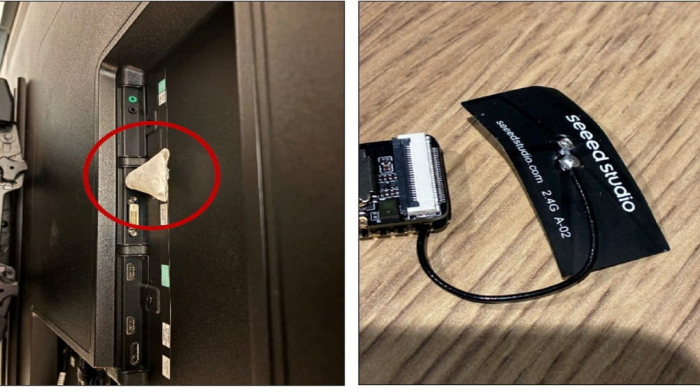
India is investigating a data breach at Tata Electronics that exposed sensitive documents linked to Apple's unreleased iPhone 18 Pro, marking the government's first public comments on the incident.
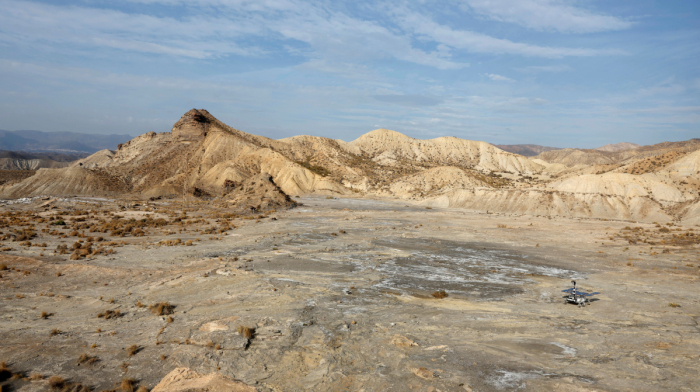
Humanity’s return to the Moon is about far more than planting flags and collecting samples. Under NASA’s Artemis programme, the goal is to establish a lasting human presence, with lunar rovers set to play a vital role in making that vision possible.
American technology company Snap has launched its first augmented-reality (AR) glasses for consumers, marking a major push into wearable computing as tech firms race to redefine personal devices in the AI era.
The Canadian government has introduced a digital safety bill that would ban children under the age of 16 from using social media, unless platforms meet specific safety standards.
You can download the AnewZ application from Play Store and the App Store.
What is your opinion on this topic?
Leave the first comment