live France's Macron says no confirmation of Iranian sea mines in Strait of Hormuz - Wednesday, 11th March
Iran's new Supreme Leader, Mojtaba Khamenei, was 'lightly injured,' an unnamed Iranian officia...
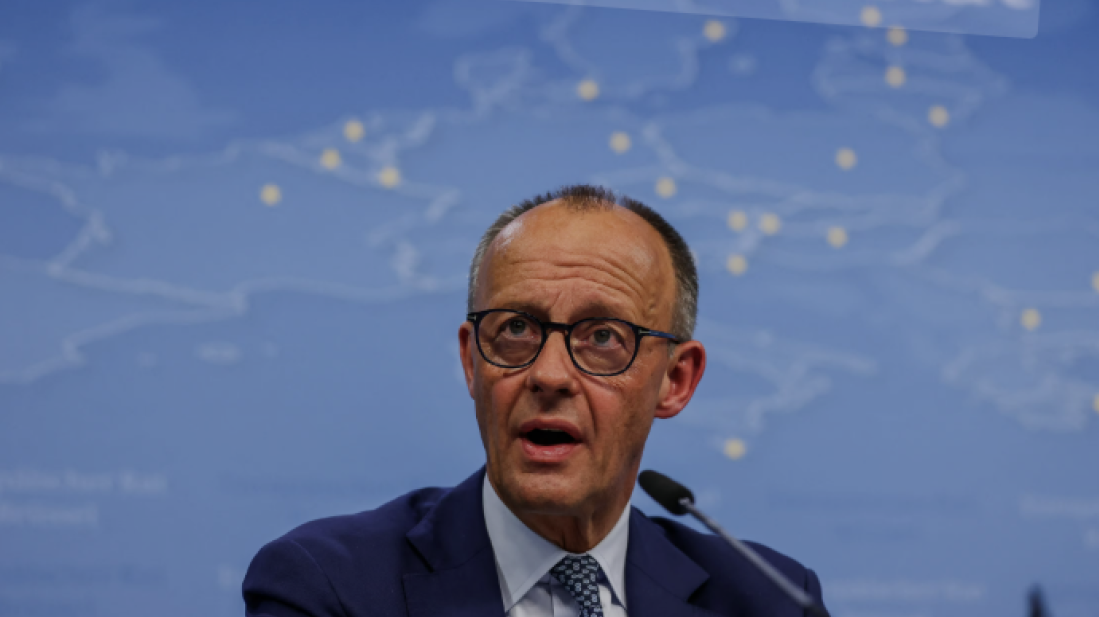
With the tariff deadline fast approaching, German Chancellor Friedrich Merz is pushing for a swift and straightforward trade agreement between the EU and the U.S., as both sides continue talks to avoid a potential economic standoff.
German Chancellor Friedrich Merz on Thursday called for a "quick and simple" trade agreement with the United States, stressing the urgency as the July 9 deadline for additional U.S. tariffs on EU goods nears.
“We have less than two weeks until July 9,” Merz said at a press conference during the EU summit in Brussels. He emphasized the need for swift action, noting, “We all agree that we must reach a quick result — there is no disagreement.”
His comments followed EU Commission President Ursula von der Leyen’s announcement that the bloc had received the latest negotiation draft from Washington and was currently reviewing it.
U.S. President Donald Trump had previously threatened to impose a 50% tariff on EU imports starting June 1, citing stalled negotiations. However, after a conversation with von der Leyen, he postponed the implementation to July 9.
On Thursday, White House spokesperson Karoline Leavitt hinted that Trump may still extend the deadline, saying the date was "not critical" and the final decision rests with the president.
Talks between the EU and U.S. are ongoing as both sides seek to finalize a deal and avoid a trade escalation.

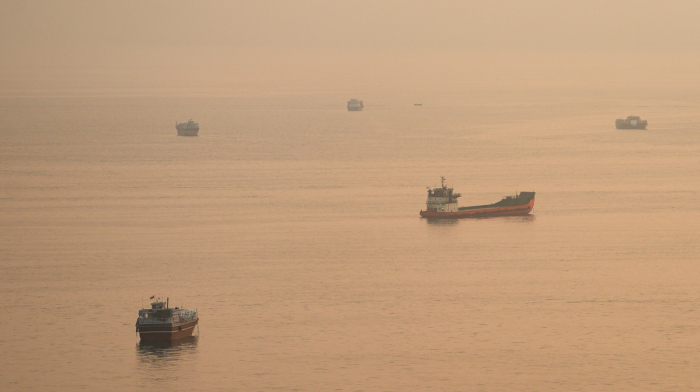
Tensions in the region remained high on Tuesday (10 March), as the United States and Iran exchanged increasingly sharp warnings, including threats over the strategic Strait of Hormuz, a critical artery for global oil supplies.
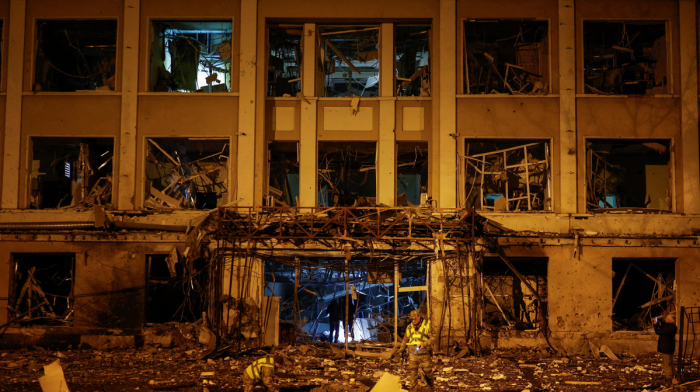
Iran's new Supreme Leader, Mojtaba Khamenei, was 'lightly injured,' an unnamed Iranian official said on Wednesday, as Tehran and Israel continued to exchange missile and drone strikes - all the latest updates throughout the day on AnewZ.
Global oil prices reached a four year high on Monday (9 March), surpassing $119 a barrel, as conflict in the Middle East rumbled on. Meanwhile, the Turkish Military said NATO air defence systems destroyed a missile fired from Iran towards the country.
U.S. President Donald Trump called his recent phone conversation with Russian President Vladimir Putin “very good.” The two leaders spoke on Monday about the situation in Iran and other international issues.
Start your day informed with AnewZ Morning Brief. Here are the top news stories for the 10th of March, covering the latest developments you need to know.
Britain has deployed the Royal Navy destroyer HMS Dragon to the eastern Mediterranean to strengthen protection for its military assets in the Middle East after a drone strike targeted a key UK air base in Cyprus earlier this month.
Member countries of the International Energy Agency have unanimously agreed to release 400 million barrels of oil from emergency reserves to stabilise global markets disrupted by the war involving Iran.
The annual pro-Palestinian al-Quds Day march in London, scheduled to take place on Sunday, has been banned by Home Secretary Shabana Mahmood following warnings from the Metropolitan Police about the risk of “serious public disorder.”
British Prime Minister Keir Starmer was warned about the "reputational risks" of appointing Peter Mandelson as U.S. ambassador due to his friendship with convicted sex offender Jeffery Epstein, files released on Wednesday (11 March) show.
At least six people have died after a bus caught fire in Kerzers, Switzerland, in what police say may have been a deliberate act. Witnesses reported a man inside the vehicle set himself alight. Three others were injured and taken to hospital, while authorities continue their investigation.
You can download the AnewZ application from Play Store and the App Store.
What is your opinion on this topic?
Leave the first comment