Who is Mojtaba Khamenei, Iran's next Supreme Leader?
Mojtaba Khamenei, son of the late Ayatollah Ali Khamenei, is a hardline cleric with strong backing from the Islami...
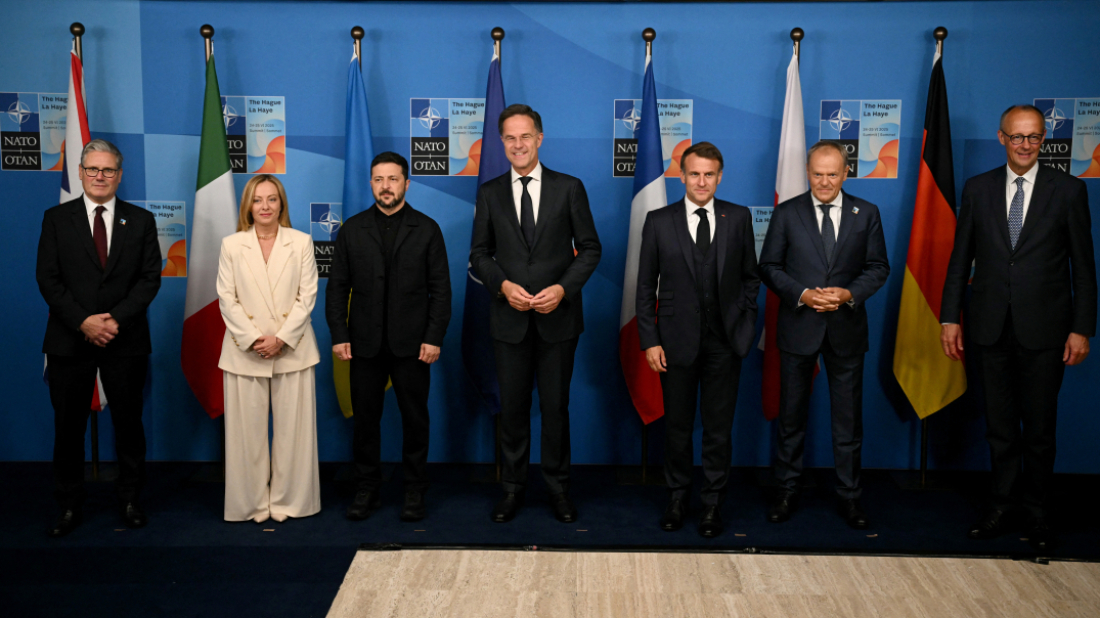
NATO member states have agreed to raise their defence spending target to 5% of GDP, marking a sharp increase from the previous 2% goal.
The decision was announced on the final day of the NATO summit in The Hague on Wednesday, with U.S. President Donald Trump calling it a “monumental victory.”
The commitment is aimed at strengthening the alliance’s collective defence in response to growing global threats. Trump welcomed the agreement, while also criticizing Spain for saying it would not meet the new target until 2035.
NATO Secretary-General Mark Rutte reassured allies that the U.S. remains “totally committed” to the alliance and its Article 5 mutual defence clause.
Ukraine and Russia still on agenda
While Ukraine received less focus than in previous summits, NATO allies reiterated their “enduring support” for the country. German Chancellor Friedrich Merz said he had urged Trump to expand sanctions on Russia.
Ukrainian President Volodymyr Zelenskyy, who met President Trump on the sidelines, said they discussed the potential co-production of drones, as well as the purchase of U.S. air defense systems to protect Ukrainian infrastructure and civilians.
Zelenskyy also praised recent U.S. strikes on Iranian military sites, claiming they had weakened Iran’s drone production capacity — drones which have been used in Russian attacks on Ukraine.
In a social media post, Zelenskyy said he provided Trump with updated battlefield information and encouraged European allies to support the purchase of U.S. weapons.
Türkiye confirmed it will host the next NATO Summit in 2026. The defence spending pledge is expected to reshape future alliance planning, procurement, and military readiness. The move also signals a stronger push for burden-sharing among NATO members.
The summit closed with a renewed emphasis on unity and burden-sharing as global tensions rise, particularly with Russia’s continued war in Ukraine, and instability in the Middle East. Secretary-General Mark Rutte underlined that the alliance remains firmly committed to Article 5 and collective defence.
As NATO prepares to mark its 76th year in 2026, the summit set the tone for a more assertive and better-resourced alliance amid growing global uncertainty.

U.S. President Donald Trump warned Iran to expect further strikes on Saturday (7 March). In a post on social media, he said Iran would be 'hit very hard'. His comments came a week into the conflict with Iran, which has spread across the Middle East.
The Azerbaijani State Security Service has said it has stopped Iran committing terror attacks against four targets in the country: Baku-Tbilisi-Ceyhan pipeline, the Israeli Embassy in Azerbaijan, a leader of the Mountain Jews religious community and the "Ashkenazi" synagogue.
Trump says the United States "don’t need people that join wars after we’ve already won," targeting his criticism at UK Prime Minister Keir Starmer. Israel continues to fire missles at strategic sites in Iran and Gulf regions report more strikes from Iran.
Baku has completed its evacuation of staff from the Azerbaijan Consulate General in Tabriz, while most employees from the Azerbaijan Embassy in Tehran have also returned.
Tehran’s Mehrabad Airport came under attack in heavy airstrikes on early Saturday morning (7 March), Iranian news agencies reported.
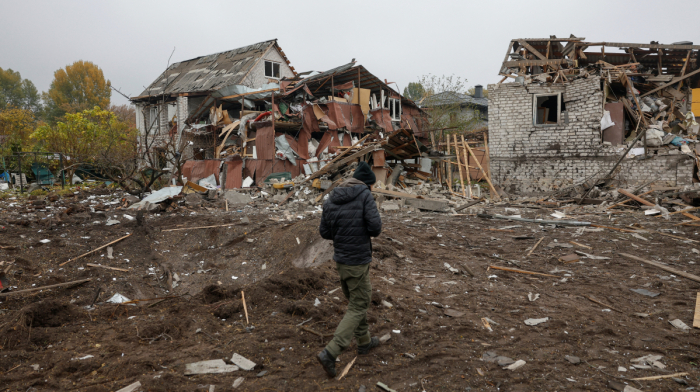
Russian attacks on Ukraine’s second largest city in the early hours of Saturday (7 March) killed 10 people, including two children. Kharkiv mayor, Ihor Terekov, said 10 residents died after a Russian ballistic missile hit a five storey apartment block in the city.
A 35-year-old former rapper is on track to become Nepal’s next prime minister. Early counting in the elections on Friday (7 March) showed Balendra Shah’s Rastriya Swatantra Party (RSP) was leading in around 100 seats, far ahead of rivals.
Newly released FBI records summarising interviews with an unidentified woman contain allegations that U.S. President Donald Trump attempted to force her to perform a sexual act when she was a teenager, according to documents published by the U.S. Justice Department.
Australia’s move to ban social media access for children under 16 has intensified a global debate, as governments around the world weigh tougher rules amid growing concerns over mental health, safety and screen addiction.
Indonesia will restrict access to social media platforms for children under 16, its communications and digital ministry said on Friday (6 March), becoming the latest country to introduce online guardrails aimed at reducing the risks of addiction and cyberbullying.
You can download the AnewZ application from Play Store and the App Store.
What is your opinion on this topic?
Leave the first comment