ILO moves toward global rules for gig economy workers
The International Labour Organization (ILO) has begun its latest round of negotiations on creating the first binding global standards for platform-bas...
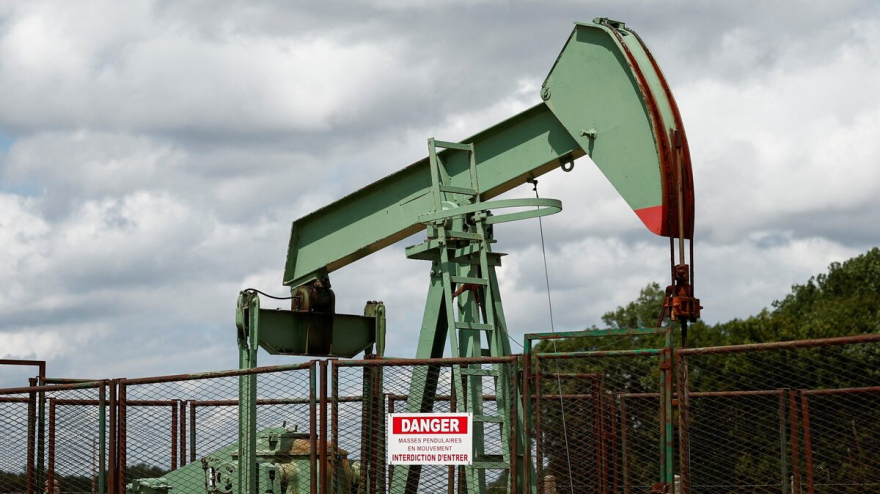
Oil prices dropped 1% on Monday after hitting five-month highs, as markets assessed the impact of U.S. strikes on Iran and potential risks to oil transit through the Strait of Hormuz.
Oil prices fell by about 1% on Monday, retreating from five-month highs as markets evaluated the risks to global oil transit after U.S. airstrikes on Iranian nuclear sites over the weekend. Brent crude futures dropped 70 cents to $76.31 per barrel, while U.S. WTI crude slipped 76 cents to $73.09.
Earlier in the day, both benchmarks had surged to $81.40 and $78.40 respectively, before fluctuating during the European session.
The price volatility followed U.S. President Donald Trump's announcement that American strikes had “obliterated” key Iranian nuclear sites in coordination with Israeli attacks, including new strikes on Tehran and the Fordow nuclear facility.
Shipping data indicated that at least two supertankers reversed course near the Strait of Hormuz amid the escalating conflict. While around 20% of global oil flows through the strait, analysts noted that a full closure remains unlikely due to the economic repercussions for Iran itself. However, asymmetric attacks on shipping remain a potential risk.
Despite no current supply disruption, analysts and investors remain cautious. HSBC projected Brent could briefly spike above $80 if the risk of closure grows but said prices may ease again if disruptions do not occur.
In Iraq, companies such as BP, TotalEnergies, and Eni evacuated some staff from oilfields as a precautionary measure, the Basra Oil Company reported.
U.S. rapper Kanye West, now known as Ye, performed to a crowd of 118,000 people in Istanbul on Saturday night, marking his first concert in Europe in more than a decade, despite being barred from performing in several countries over past antisemitic remarks.
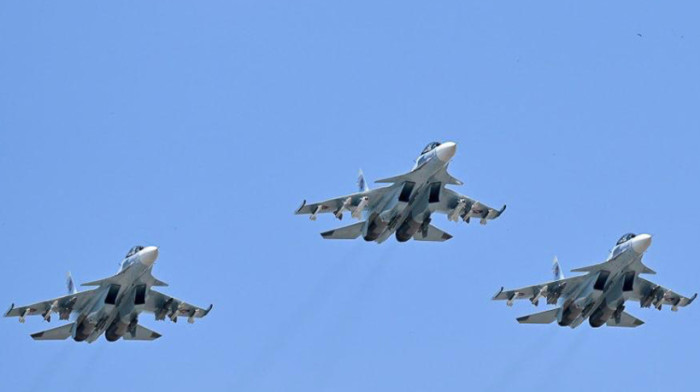
Iranian-made Yassin missiles were spotted mounted on Armenian Air Force fighter aircraft during Armenia's latest military parade on Thursday (28 May), drawing attention from defence observers and regional analysts.
The Philippines remains under a "severe threat" from China despite recent efforts by Washington and Beijing to ease tensions, Philippine Defence Secretary Gilberto Teodoro said on Saturday (30 May).
Russia has recalled its ambassador to Armenia for consultations, citing Yerevan's growing rapprochement with the European Union. The move is seen as the latest sign of deteriorating relations between the longtime allies ahead of Armenia's parliamentary election on 7 June.
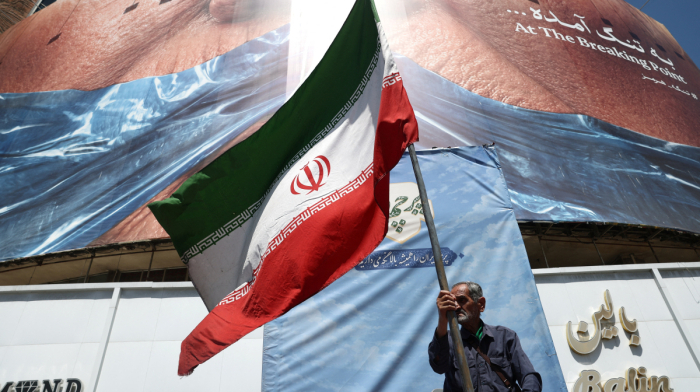
Donald Trump said he is “in no hurry” to reach a deal with Iran, insisting the U.S. is slowly getting what it wants. He warned military action remains an option if talks fail. Meanwhile, U.S. forces said they fired a missile at a vessel trying to breach Washington’s blockade of Iran.
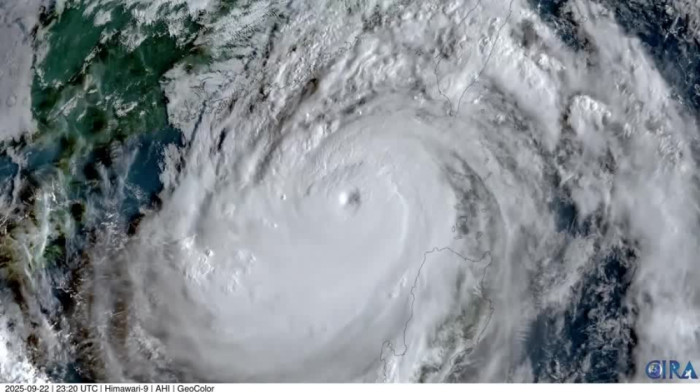
Okinawa lost transport links and suffered widespread power outages on Monday (1 June) as Severe Tropical Storm Jangmi brought destructive winds and heavy rain to Japan's south-western islands.
Japan has released crested ibises into the wild on Honshu for the first time, marking a major conservation milestone in the Noto region of Ishikawa Prefecture.
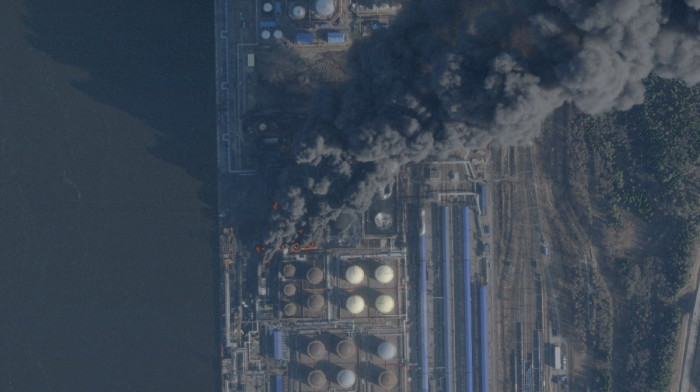
Ukrainian drones struck targets across several Russian regions overnight, including an oil pipeline pumping station, a refinery and a fuel depot, Russian and Ukrainian authorities said on Sunday.
Start your day informed with the AnewZ Morning Brief. Here are the top stories for 1 June, covering the latest developments you need to know.
The United States has moved to close a regulatory gap that may have allowed advanced AI chips to reach Chinese-linked firms overseas despite export restrictions.
You can download the AnewZ application from Play Store and the App Store.
What is your opinion on this topic?
Leave the first comment