Israel announced on Saturday that it had killed senior Iranian commander Saeed Izadi, head of the Palestine Corps of Iran’s Quds Force, in a targeted strike in Qom. Izadi was accused of supporting Hamas before its October 2023 attack on Israel.
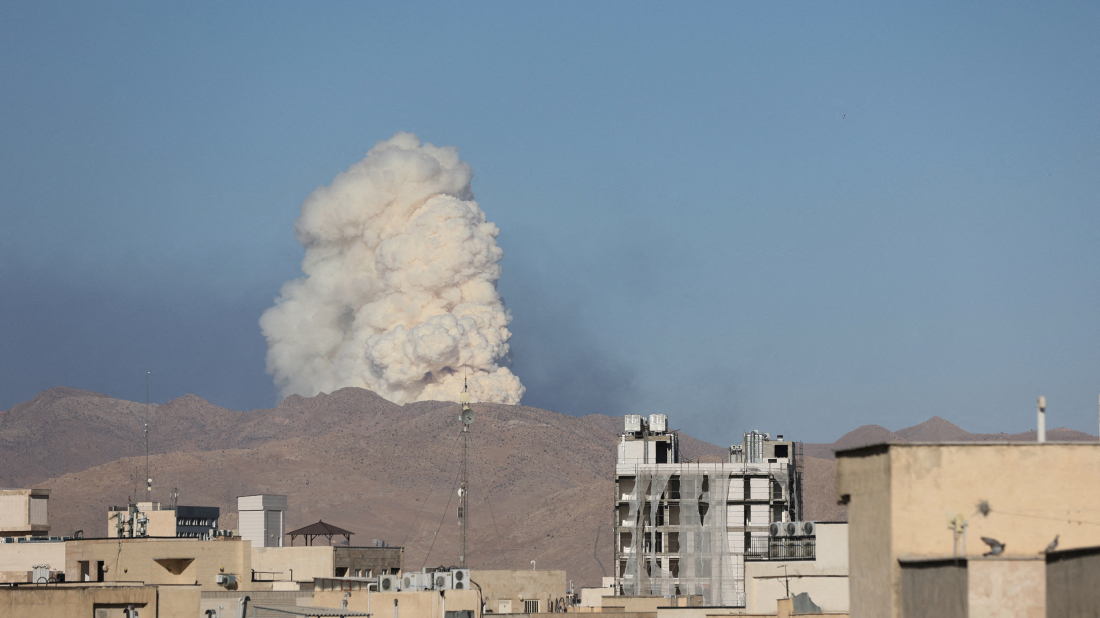
Israeli officials hailed the operation as a significant intelligence and military success. The strike came amid ongoing hostilities between Israel and Iran, with both sides launching air and missile attacks. Iranian media also reported Israeli strikes on key locations, including the Isfahan nuclear site and military targets in Khorramabad, where five Revolutionary Guards were killed. Iran confirmed damage but denied any hazardous material leakage.
Israel said its latest strikes aimed at Iran’s missile infrastructure, while air raid sirens sounded across central Israel and the West Bank in response to incoming Iranian missiles. No Israeli casualties were reported, though missile debris caused fires in Tel Aviv. Iran claimed Israel attacked hospitals and ambulances, killing civilians and health workers, while naming 15 Iranian air defence personnel killed so far. Israel, in turn, has lost 24 civilians to Iranian missile strikes.
The conflict, which began on June 13, was sparked by Israeli attacks on Iranian nuclear sites, as Israel claims Iran is nearing nuclear weapons capability. Iran insists its nuclear programme is peaceful and says it will not engage in talks while under attack. President Trump reiterated that Iran could be weeks away from acquiring nuclear weapons and criticised his intelligence chief for downplaying the threat. He said the U.S. will decide in two weeks whether to enter the conflict and cast doubt on European mediation efforts, asserting Iran prefers direct talks with the U.S.
Geneva-hosted talks between Iran and European leaders ended with little progress. Iran's foreign minister ruled out negotiations with the U.S. under current conditions. Meanwhile, Russia and China called for immediate de-escalation, and Iran indicated limited willingness to discuss uranium enrichment, but rejected full restrictions amidst ongoing Israeli strikes. Israel told the UN it will not halt attacks until Iran’s nuclear threat is eliminated.











What is your opinion on this topic?
Leave the first comment