G7 set to discuss climbing oil prices, release of emergency reserves
The Group of Seven (G7) finance ministers will meet on Monday to discuss a global rise in oil prices and a joint r...
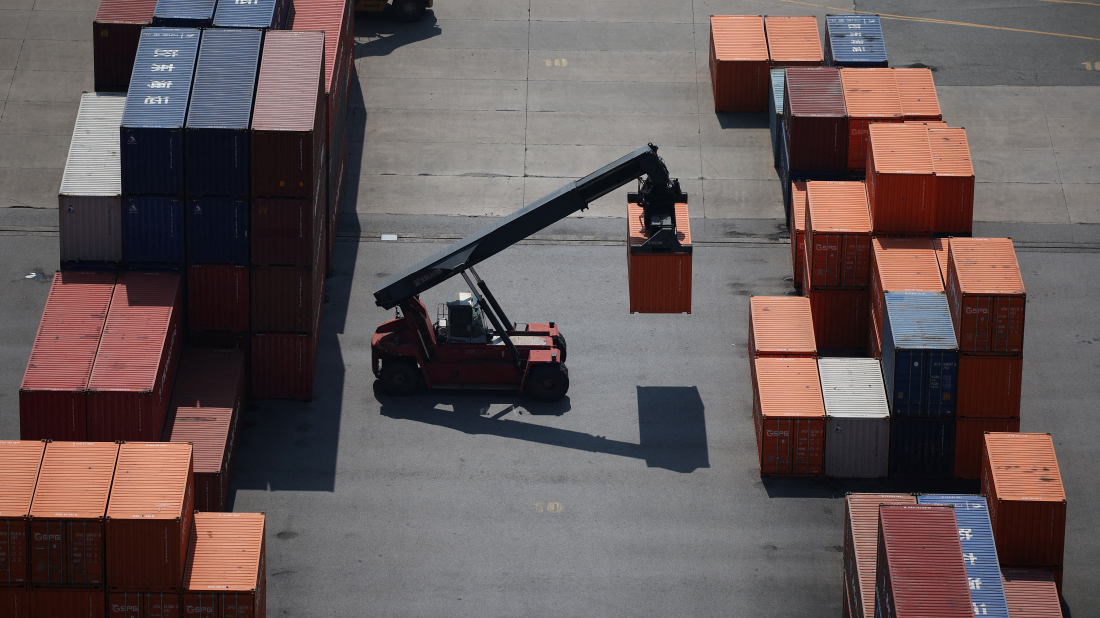
South Korea’s chief trade negotiator, Yeo Han-koo, will travel to the United States from June 22 to 27 for a new round of high-level discussions aimed at resolving escalating trade tensions, the Ministry of Trade, Industry and Energy announced on Saturday.
Yeo is expected to meet with U.S. Trade Representative Jamieson Greer and engage in the third round of bilateral technical talks. While the ministry did not disclose the full details of the meetings, officials confirmed that the discussions will centre around the current tariff impasse and the path toward a resolution.
The visit comes at a critical juncture, as South Korea faces a two-pronged tariff regime imposed by the United States — a 10% blanket duty and a 25% country-specific tariff. The latter was temporarily suspended for 90 days following initial negotiations in late April, during which both countries agreed to pursue a mutually acceptable deal by July 8.
South Korea, Asia’s fourth-largest economy, is under pressure to secure relief from the tariffs, which have weighed heavily on exports and industrial output. The urgency is heightened by the country’s unexpected economic contraction in the first quarter, a downturn attributed in part to U.S. President Donald Trump’s sweeping protectionist measures and domestic instability following the December imposition of martial law by former President Yoon Suk Yeol.
Trade officials say the upcoming Washington visit could be decisive in shaping a longer-term agreement. “We are approaching the final window to produce a sustainable outcome before the temporary tariff suspension expires,” one official told Reuters.
Observers expect the talks to also touch on semiconductor exports, automotive access, and strategic supply chain resilience — sectors where U.S.-Korea cooperation remains critical amid intensifying global economic shifts.
As the July 8 deadline approaches, both sides face mounting pressure to demonstrate progress and prevent a renewed disruption of bilateral trade, which totaled over $180 billion in 2024.

Trump says the United States "don’t need people that join wars after we’ve already won," targeting his criticism at UK Prime Minister Keir Starmer. Israel continues to fire missles at strategic sites in Iran and Gulf regions report more strikes from Iran.
Baku has completed its evacuation of staff from the Azerbaijan Consulate General in Tabriz, while most employees from the Azerbaijan Embassy in Tehran have also returned.
Tehran’s Mehrabad Airport came under attack in heavy airstrikes on early Saturday morning (7 March), Iranian news agencies reported.
U.S. President Donald Trump threatened further attacks on Iran on Saturday (7 March), while the United Arab Emirates and Saudi Arabia continued to shoot down missiles in their airspace. Meanwhile, Iran’s President Masoud Pezeshkian said Tehran would stop attacking its neighbours.
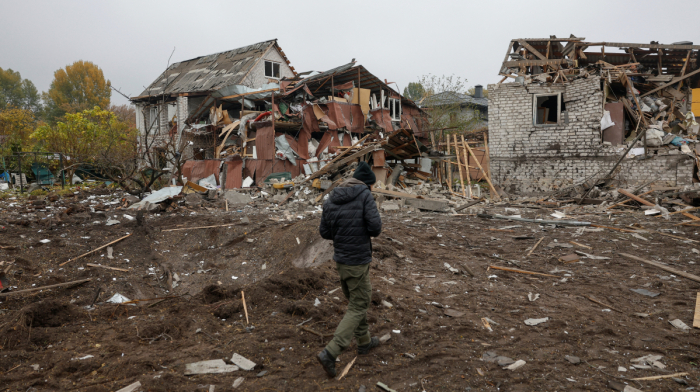
Russian attacks on Ukraine’s second largest city in the early hours of Saturday (7 March) killed 10 people, including two children. Kharkiv mayor, Ihor Terekov, said 10 residents died after a Russian ballistic missile hit a five storey apartment block in the city.
The Group of Seven (G7) finance ministers will meet on Monday to discuss a global rise in oil prices and a joint release of oil from emergency reserves coordinated by the International Energy Agency, the Financial Times reports.
Recent operations by the U.S. military have led some to believe that a decapitating strike is a silver bullet capable of fixing any foreign policy problem swiftly. However, this logic is flawed, and the risks of relying on swift, targeted actions are too great to ignore.
Start your day informed with AnewZ Morning Brief. Here are the top news stories for the 9th of March, covering the latest developments you need to know.
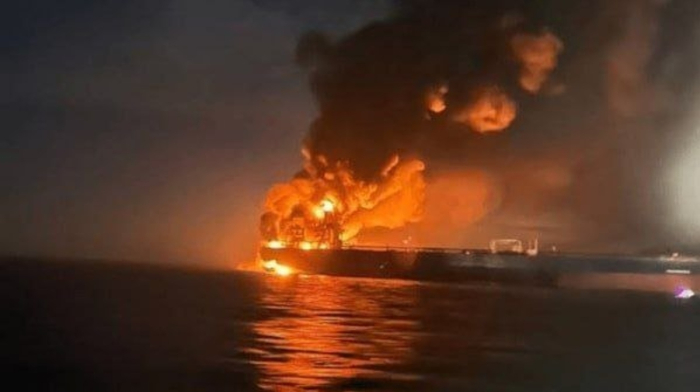
Global oil prices have surged past $110 a barrel this Monday as fresh U.S.-Israeli strikes hit multiple targets, including oil depots. Stock markets fell on fears the conflict with Iran could disrupt shipments through the Strait of Hormuz, raising concerns over global energy supply.
The U.S. embassy in Oslo was hit by a loud explosion early on Sunday (8 March), causing minor damage but no injuries, in what may have been a deliberate attack linked to the crisis in the Middle East, Norwegian police said.
You can download the AnewZ application from Play Store and the App Store.
What is your opinion on this topic?
Leave the first comment