Israel and Iran continued exchanging deadly attacks for the fifth consecutive day, prompting U.S. President Donald Trump to urge Iranians to evacuate Tehran amid rising fears of a wider conflict. World leaders are calling for de-escalation, but both sides remain locked in their positions.
For the fifth day in a row, Israel and Iran have traded attacks, escalating their deadliest conflict yet. U.S. President Donald Trump urged civilians to evacuate Tehran, blaming Iran’s refusal to accept a proposed nuclear deal.
At the G7 Summit, French President Emmanuel Macron confirmed Trump had proposed a ceasefire plan, while reports suggest backchannel talks may be underway.
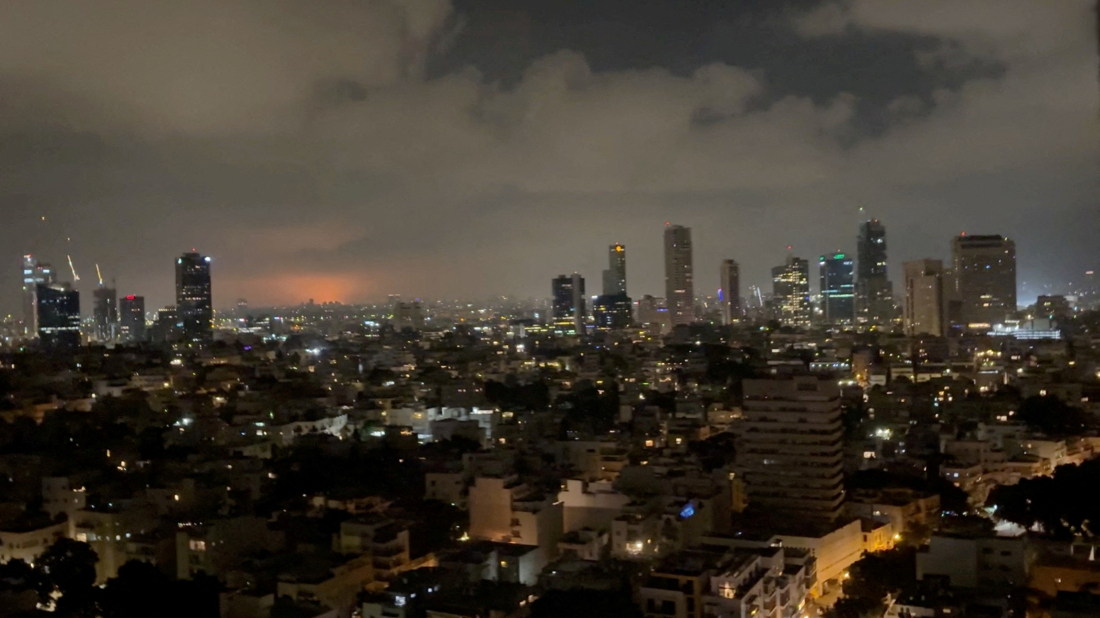
Explosions and heavy air defence activity were reported in Tehran, including at the Natanz nuclear site.
Israel confirmed striking Iran’s state broadcaster, killing two.
Iran has reported 224 civilian deaths, while Israel confirmed 24 casualties and mass evacuations since Friday's air strikes.
Tehran is reportedly open to nuclear talks if Israeli strikes stop, seeking mediation through Gulf countries. Iran's Foreign Minister Abbas Araqchi told four European counterparts that Iran was serious about diplomacy but its current focus was on confronting aggression, according to Iranian state media.
Israel has said its goal is to eliminate Tehran's ability to develop a nuclear weapon and Tel Aviv shows no sign of backing down, claiming airspace control and preparing for further escalation.
Oil prices have surged, and the Chinese embassy has urged its citizens to leave Israel amid rising regional risks.
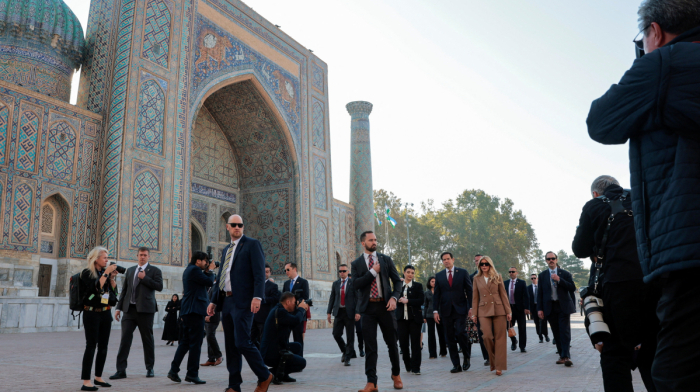
Uzbekistan summoned Iran’s ambassador following claims by several Iranian diplomatic missions that the historical and architectural heritage of Samarkand belongs to Persian or Iranian-Islamic civilisation, Tashkent's Foreign Ministry said.
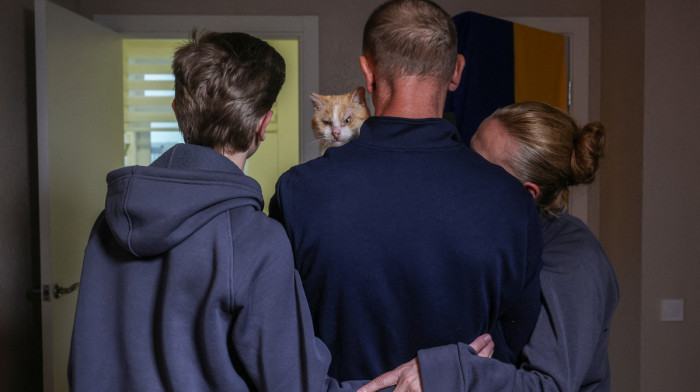
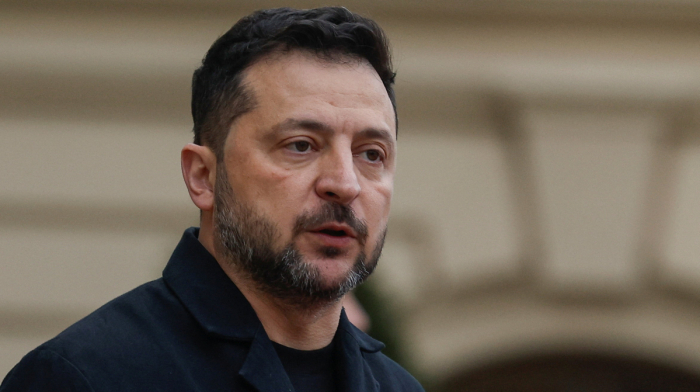
Russian strikes hit several parts of Ukraine overnight, injuring at least six people and targeting energy and port infrastructure, as President Volodymyr Zelenskyy said U.S. warnings about imminent Russian ballistic missile attacks had resumed.
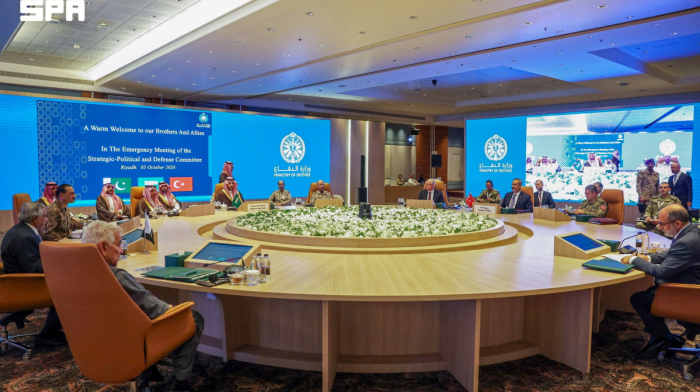
Iran's Supreme National Security Council says senior officials from Saudi Arabia, Pakistan and Türkiye will travel to Tehran to discuss regional security.
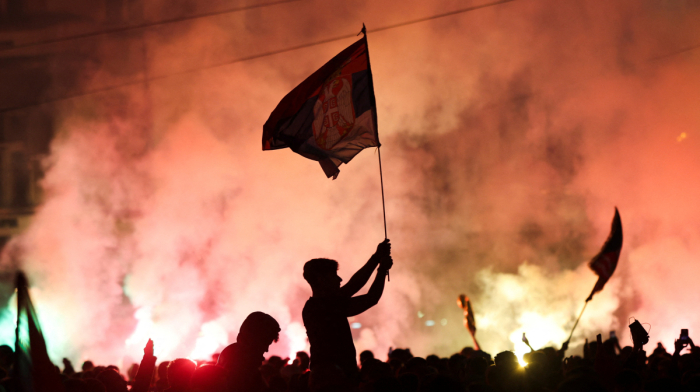
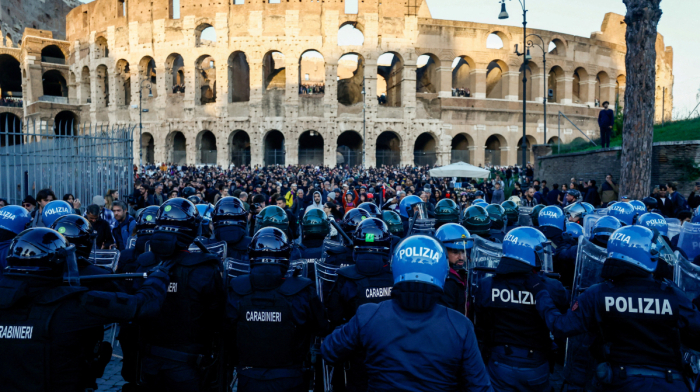
Protests against war and rising living costs took place in major Italian cities on Saturday, with some incidents of violence and clashes, a week after unrest erupted across the country.
Russia and Ukraine have begun a localised ceasefire around the Russian-occupied town of Oleshky, allowing humanitarian aid deliveries and evacuations from the frontline area.
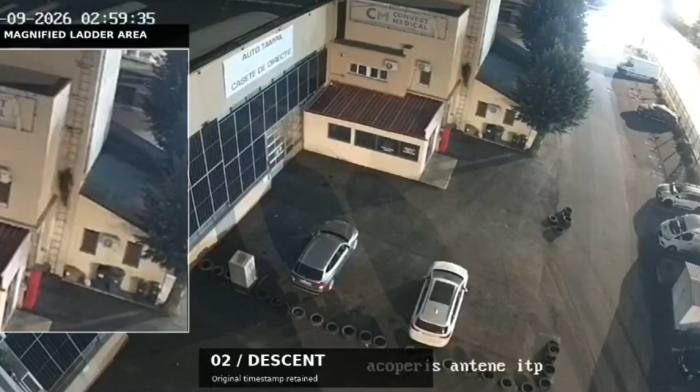
Romanian authorities say they have uncovered a sabotage network allegedly coordinated from Russia and linked to a fire near a defence manufacturing site in the central city of Brasov, underscoring growing concerns about hybrid threats targeting military infrastructure across Europe.
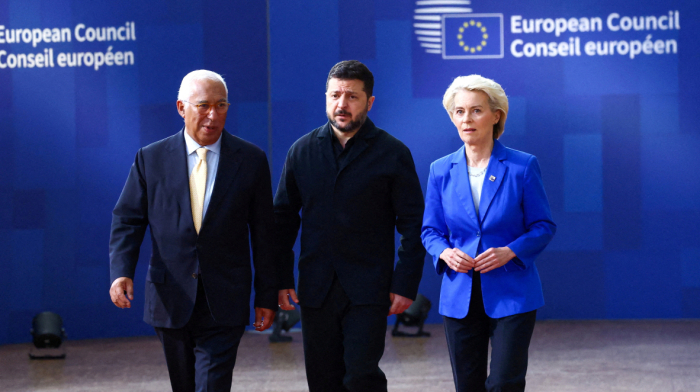
The Council of the European Union has approved a new support package worth nearly €4.9 billion ($5.4 billion) for Ukraine, reinforcing the bloc's military backing for Kyiv as it continues to defend itself against Russia's invasion.
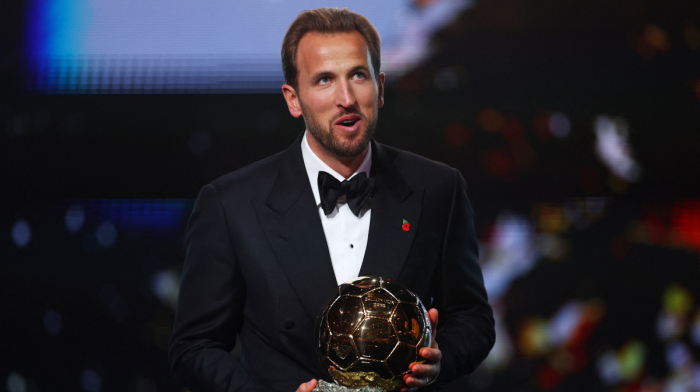
Harry Kane has been crowned the 2026 Ballon d'Or winner, completing a journey that saw him rise from a young player struggling to break into Tottenham Hotspur's first team to one of the most prolific goalscorers in football history.
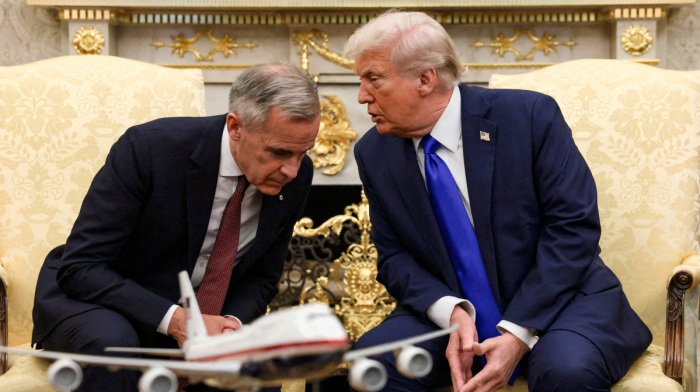
Washington and Ottawa are negotiating an agreement that would ease U.S. tariffs on Canadian steel and autos, according to two U.S. and four Canadian sources, as the neighbours try to mend ties damaged when trade talks collapsed in August.
Download the AnewZ app
You can download the AnewZ application from Play Store and the App Store.










What is your opinion on this topic?
Leave the first comment