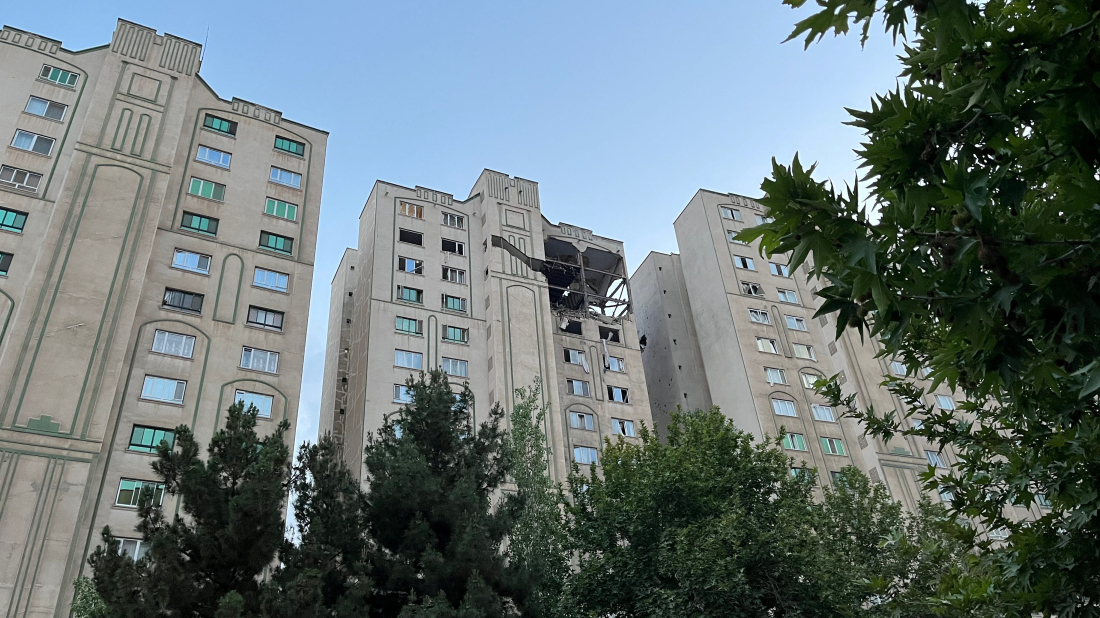
World leaders and international organisations responded swiftly to Israel’s large-scale strikes on Iran, expressing deep concern over rising tensions and the potential for regional war.
While the United States reaffirmed its support for Israel and placed military forces on alert, other major powers, including Russia, China, and the United Nations, condemned the escalation and urged all sides to return to diplomacy. From London to Riyadh, capitals called for restraint as fears mount over the fallout of Operation Rising Lion.
United States response
U.S. President Donald Trump is receiving regular updates and has placed U.S. Central Command on high alert. According to Fox News, the U.S. is prepared to defend both itself and Israel if Iran retaliates.
Secretary of State Marco Rubio confirmed Israel had notified the U.S. before launching the operation but emphasised that the U.S. was not involved in the attack itself.
Russia condemns the strikes
Russia called the strikes a “dramatic escalation.” Kremlin spokesperson Dmitry Peskov said President Vladimir Putin is being kept updated. The Russian Foreign Ministry said Israel had violated international law and the UN Charter by targeting a sovereign state during peacetime.
Russia also criticised the timing, noting that the strikes occurred during an IAEA meeting and just before planned nuclear talks between Iran and the U.S.
China expresses deep concern
China said it was deeply concerned about the Israeli strikes. Foreign Ministry spokesperson Lin Jian said China opposes any violation of Iran’s sovereignty and called for immediate de-escalation to preserve peace and stability in the region.
Lin also said China was ready to play a constructive role in easing tensions. China has friendly ties with Iran, based in part on energy cooperation and its broader goal of expanding influence in the Middle East.
Earlier in the day, Chinese embassies in both Iran and Israel warned citizens of the “complex and severe” security situation. The embassy in Tel Aviv specifically advised people to prepare for possible missile, rocket, or drone attacks.
UN calls for restraint
UN Secretary-General António Guterres condemned the military escalation and warned against further strikes on nuclear facilities. His spokesperson called on both Israel and Iran to avoid worsening the crisis while diplomatic talks continue.
UK urges de-escalation
British Prime Minister Keir Starmer called the developments deeply concerning. He urged all sides to step back, warning that escalation serves no one and diplomacy must resume urgently.
Saudi Arabia denounces the attack
Saudi Arabia strongly condemned Israel’s actions, calling them a clear violation of Iran’s sovereignty. Riyadh urged the international community to take action to stop the aggression and avoid further destabilisation.
Japan warns against use of force
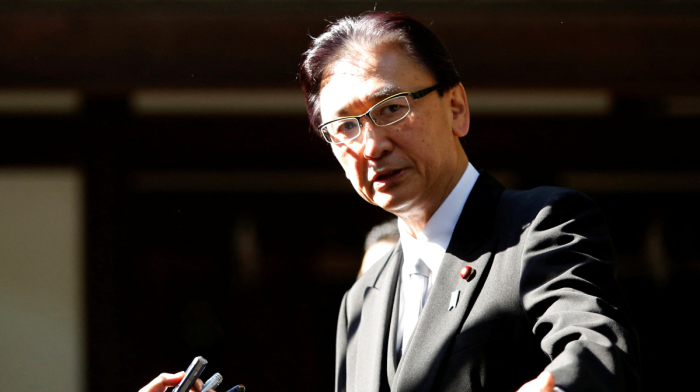
Japan’s Foreign Minister Takeshi Iwaya said it was regrettable that military force was used during ongoing diplomatic efforts. Japan warned that the situation is becoming more dangerous and called for restraint.
Oman criticises the strikes
Oman, which has played a key role in mediating nuclear talks, said the Israeli strikes were a provocation meant to disrupt diplomacy. The government warned that the attacks could spark a wider conflict.
UAE urges restraint
The United Arab Emirates condemned the strikes and expressed concern about rising regional tensions. The UAE called on all parties to act with restraint and avoid further escalation.
European reactions
France supported Israel’s right to defend itself but called for peace and dialogue. Germany urged both countries to avoid any further military action. The Czech Republic defended Israel’s response, saying Iran posed a growing threat.
NATO Secretary-General Mark Rutte called for calm, and IAEA Director-General Rafael Grossi warned that any damage to nuclear facilities could be dangerous. He offered to visit Iran to inspect the sites.











What is your opinion on this topic?
Leave the first comment