ASEAN-China South China Sea deal stalls over key disputes
ASEAN and China have failed to finalise a long-delayed code of conduct for the South China Sea, despite reaching provisional agreement on about 80 ...
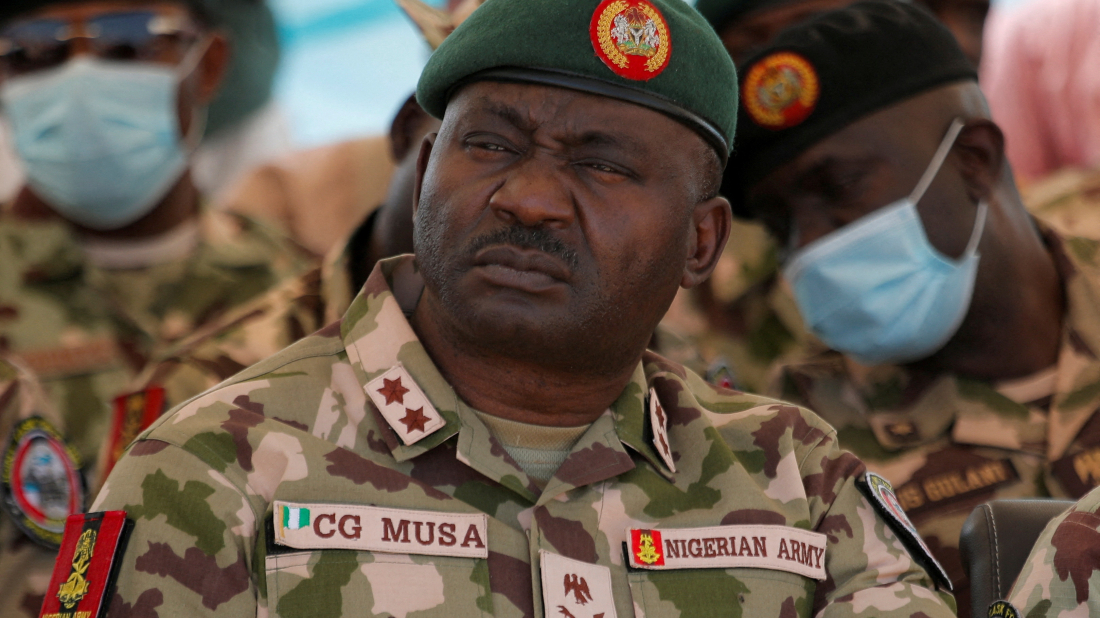
To halt the infiltration of armed groups, Nigeria's top defence official suggests an ambitious plan to entirely fence the nation's borders with its four neighbouring countries.
Nigeria's Defence Chief of Staff on Tuesday proposed the complete fencing of the nation's borders with its four neighbours, a drastic measure aimed at stemming the influx of armed groups and tackling escalating insecurity across the country. This marks the first time such a suggestion has been publicly put forth by a high-ranking Nigerian official.
General Christopher Musa, Chief of Defence Staff, speaking at a security conference in Abuja, emphasised that "border management is very critical" for Nigeria's survival and sovereignty. He cited successful precedents like Pakistan's 1,350 km fence with Afghanistan and Saudi Arabia's 1,400 km barrier with Iraq as models for Nigeria to consider.
Nigeria's military is currently stretched thin battling widespread security challenges, most notably a 16-year insurgency in the northeast spearheaded by Boko Haram and its splinter group, Islamic State West Africa Province (ISWAP). The conflict has resulted in countless attacks, civilian and military casualties, and the displacement of tens of thousands of people. Nigerian authorities frequently attribute the persistent insurgency, including recent assaults on military installations, to the infiltration of foreign fighters.
Nigeria shares borders with Niger Republic, Cameroon, Benin, and Chad, all of which are themselves grappling with intensifying militant campaigns across the Sahel region. Nigeria's longest border, stretching 1,975 km, is with Cameroon in the northeast, a major hotspot for Boko Haram activity. It also shares 1,500 km with Niger and 85 km with Chad, nations that have experienced territorial losses to armed groups.
General Musa warned that Nigeria's perceived economic strength makes it an attractive target for these groups. "It is Nigeria that everybody is interested in," he stated. "That is why we need to secure fully and take control of our borders."
The proposal to fence Nigeria's extensive borders is a significant escalation in the discourse surrounding national security. While the practicalities and cost of such an undertaking would be immense, the defence chief's call underscores the gravity of the security situation and the urgent need for comprehensive solutions to protect Nigeria's territory and its citizens.

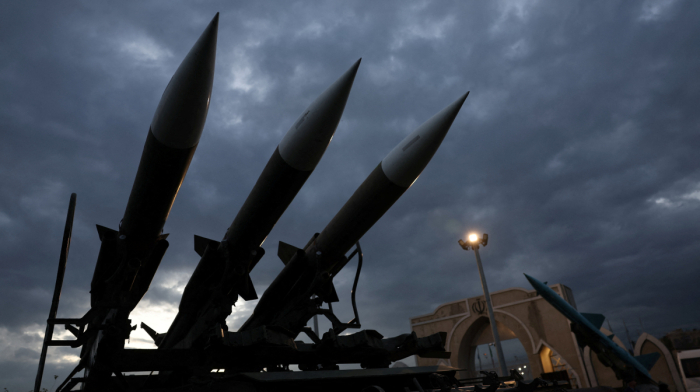
Saudi Arabia said it intercepted two Houthi ballistic missiles targeting Riyadh and three drones in its oil-rich Eastern Province on Sunday (15 November), as Iran's Revolutionary Guards claimed separate attacks on a U.S. military facility in Bahrain.
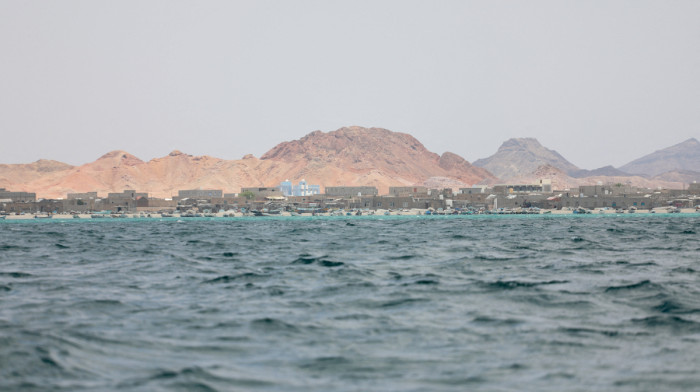
Yemeni forces fighting for the internationally recognised Saudi-backed government said on Sunday that they were withdrawing from an area overlooking the strategic Bab el-Mandeb Strait, leaving the Iran-aligned Houthis in control.
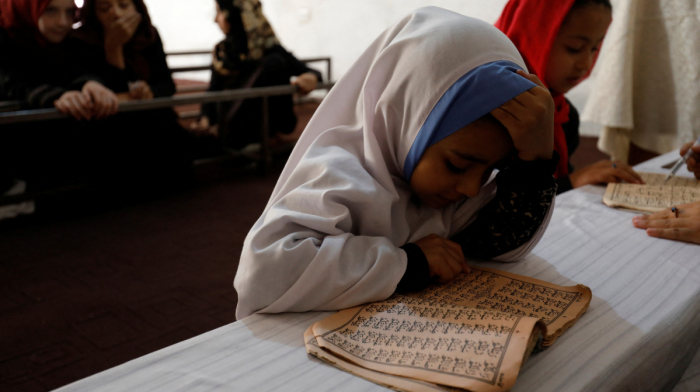
Afghanistan’s Ministry of Education has challenged a United Nations report on access to education, saying its findings do not reflect the full picture of the country’s education system.
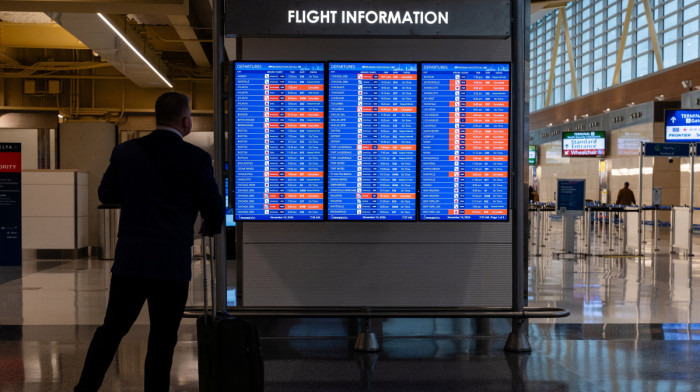
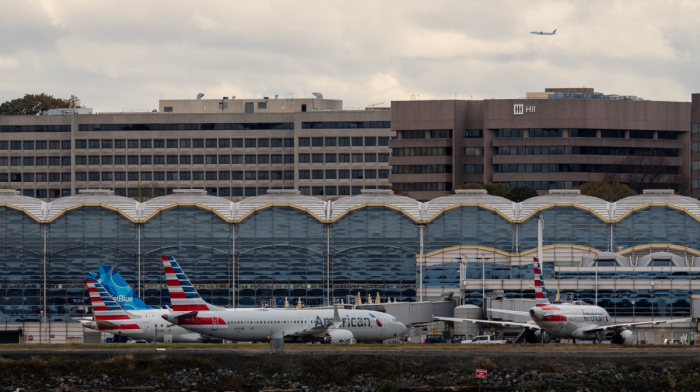
U.S. air travel is not expected to return to normal schedules until late on Sunday (15 November), the head of the FAA said, as the aviation system gradually recovers from a nationwide flight shutdown that officials blamed on routine maintenance gone awry.
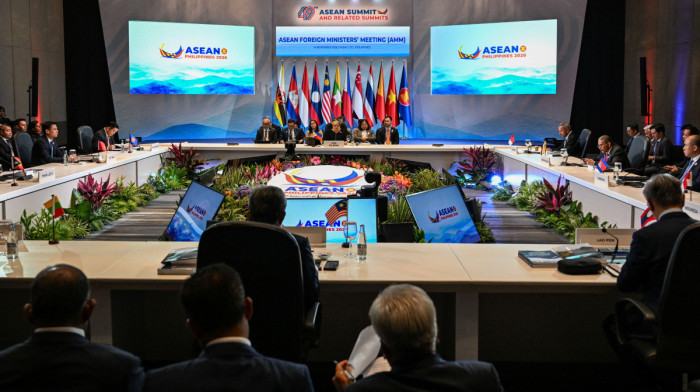
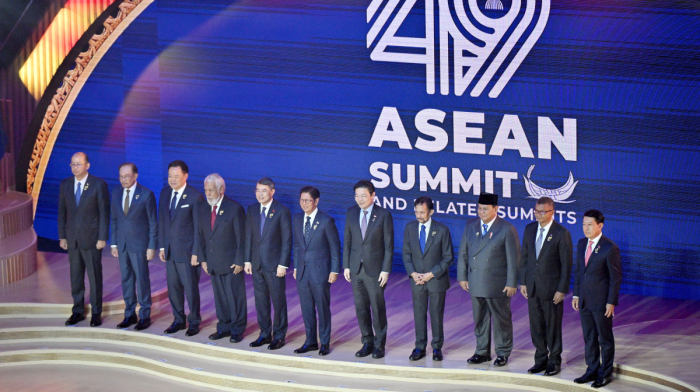
Southeast Asian leaders opened the 49th ASEAN Summit in Manila Sunday, with Myanmar's crisis, security and economic uncertainty dominating talks. Philippine President Ferdinand Marcos Jr. called for continued engagement with Myanmar and urged a stronger response to conflict and energy disruptions.
ASEAN and China have failed to finalise a long-delayed code of conduct for the South China Sea, despite reaching provisional agreement on about 80 per cent of the draft, Philippine Foreign Secretary Ma. Theresa Lazaro said on Sunday.
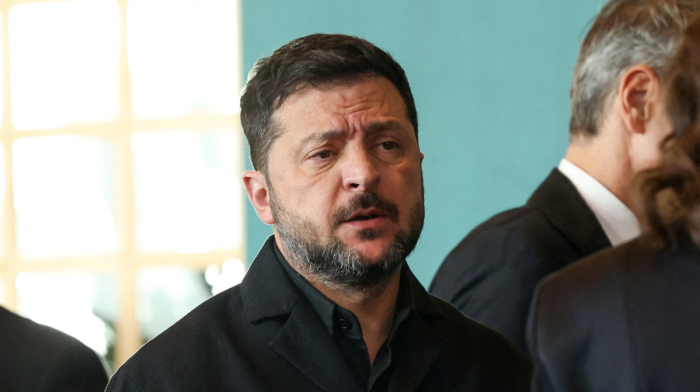
Russia struck energy and railway infrastructure in eight regions of Ukraine overnight, President Volodymyr Zelenskyy said on Sunday (15 November), in attacks he said were made possible partly due to restrictions on Ukraine's use of SpaceX's Starshield service.
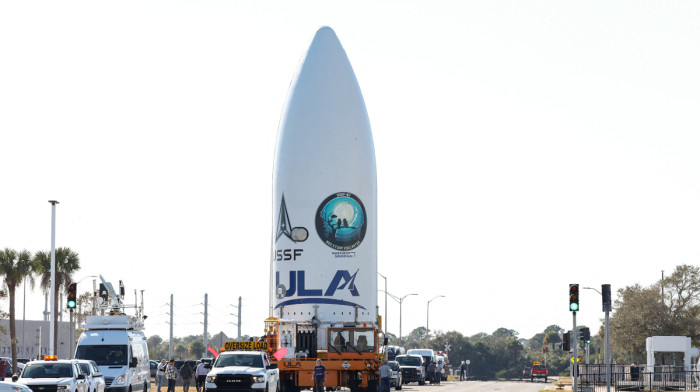
A Vulcan rocket owned by United Launch Alliance, the joint venture of Boeing and Lockheed Martin, failed on Sunday (15 November) shortly after liftoff from Florida, destroying its payload of 40 satellites from Amazon's Leo internet network in the launch company's first mission failure.
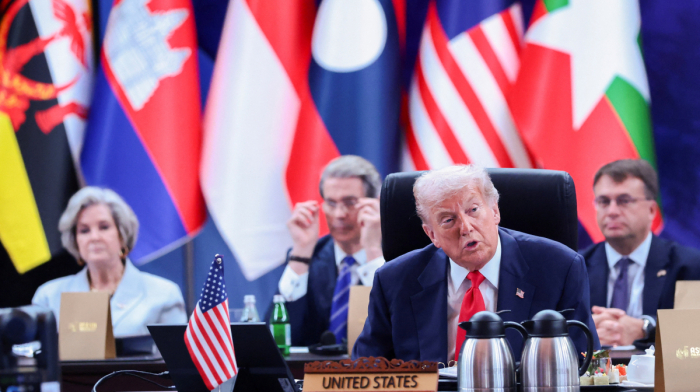
U.S. President Donald Trump is expected to arrive in Manila on Tuesday, 17 November, for a special summit with Southeast Asian leaders, as Washington seeks to strengthen regional economic and security ties amid trade tensions and growing competition with China.
U.S. air travel disruptions continued for a third day with more than 11,500 flights affected on Sunday (15 November), but Transportation Secretary Sean Duffy predicted a return to normalcy by Monday even as airlines scrambled to get back on schedule following a systemwide ground stop.
You can download the AnewZ application from Play Store and the App Store.
What is your opinion on this topic?
Leave the first comment