The trial against seven healthcare professionals charged with negligence in the death of Diego Maradona resumes today, May 27, after being suspended for a week over concerns about judicial impartiality.
The proceedings were paused after prosecutor Patricio Ferrari raised objections about judge Julieta Makintach, who was accused of authorizing the filming of a documentary about the trial. Defense attorneys said the documentary was linked to Makintach’s brother, and a camera was reportedly spotted in the courtroom. The court is still reviewing her role, but the hearing continues today with the same panel of judges.
The case centers on whether Maradona, who died on November 25, 2020 at age 60, received proper medical care in his final days. Prosecutors say the football legend’s death was preventable and accuse the defendants of manslaughter by negligence, a charge that could carry up to 25 years in prison.
Among the seven accused are neurosurgeon Leopoldo Luque and psychiatrist Agustina Cosachov, who were directly responsible for Maradona’s treatment after he underwent surgery for a brain hematoma. Other defendants include a psychologist, a doctor, two nurses, and a nursing coordinator. A third nurse, Gisela Dahiana Madrid, is being tried separately.
The prosecution claims the medical team ignored warning signs, failed to monitor Maradona’s condition, and left him isolated in a poorly organized home care setup. A forensic medical board in 2021 described their actions as “inadequate, deficient and reckless.”
More than 120,000 private messages and recordings among the defendants are expected to be presented during the trial, which is scheduled to run until July.
Maradona had long struggled with addiction, obesity, and other health problems. In early November 2020, he was hospitalized for emergency surgery to remove a blood clot between his brain and skull. After the operation, he was discharged to a private home in the outskirts of Buenos Aires for recovery under medical supervision.
His condition worsened in the days that followed, but according to prosecutors, the care was irregular and disorganized. The official cause of death was heart failure and acute pulmonary edema, but the family insists it was avoidable.
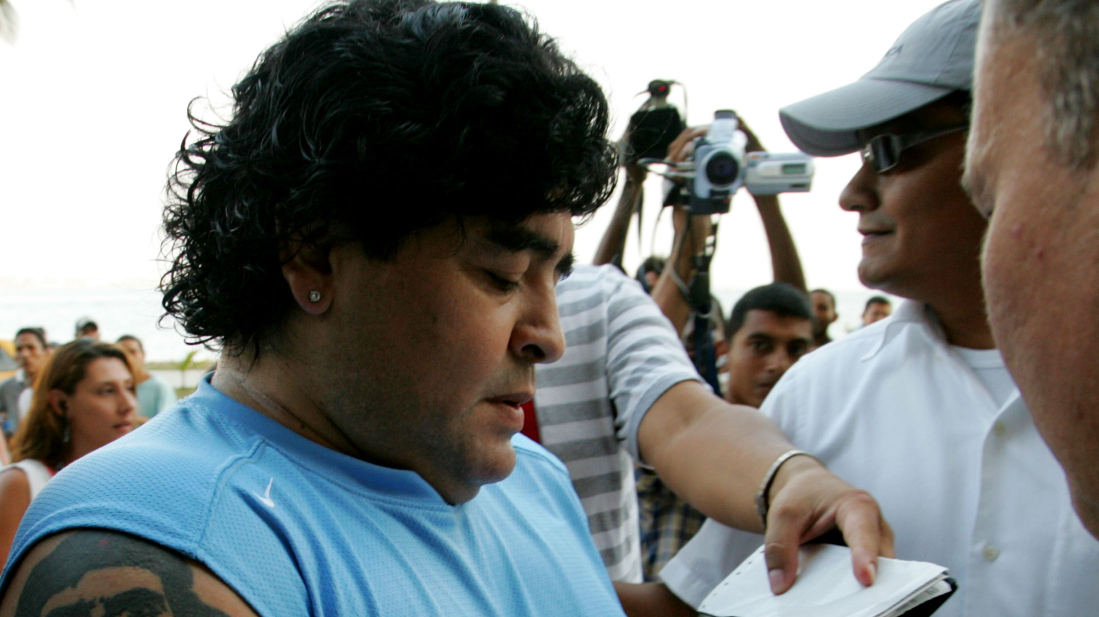
Diego Armando Maradona is one of the most celebrated figures in football history. He led Argentina to a World Cup victory in 1986, famously scoring the “hand of god” goal and the “goal of the century” against England. Throughout his career, he played for clubs like Boca Juniors, Napoli, and Barcelona, becoming a symbol of pride for Argentina’s working class.
Despite his success on the field, Maradona’s personal life was often troubled, with public battles against addiction and health issues.
His death sparked a wave of national mourning, with thousands gathering to pay tribute across Argentina. The ongoing trial is closely followed by the public, seen not just as a legal process but as a reckoning over how one of the country’s most beloved icons was treated in his final days.












What is your opinion on this topic?
Leave the first comment