Armenia and Iran hold political consultations in Yerevan
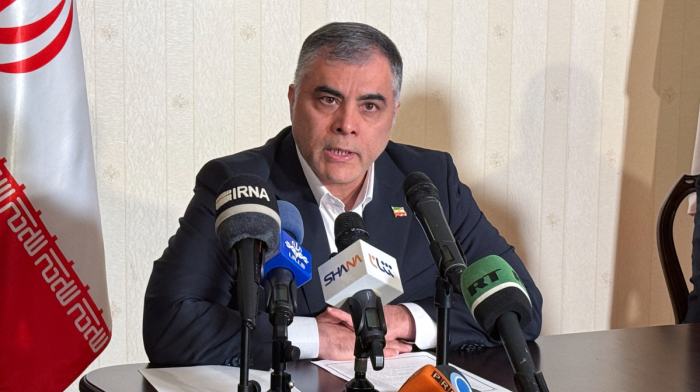
The foreign ministries of Armenia and Iran held political consultations in Yerevan, according to official statements....
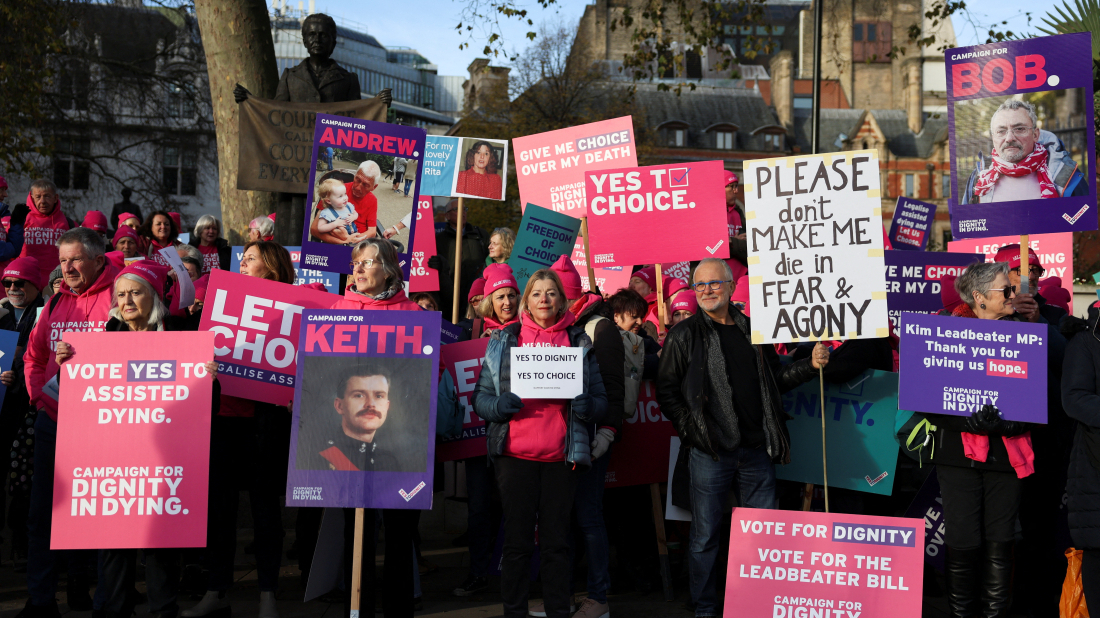
Britain’s parliament has taken a significant step towards legalising assisted dying after a bill passed its first hurdle in the House of Commons on Friday. In a passionate debate, 330 lawmakers voted in favour of the "Terminally Ill Adults (End of Life)" bill, while 275 voted against it.
The bill, which aims to allow terminally ill adults to seek assistance to end their lives, will now undergo several months of further debate. The legislation will be reviewed in both the House of Commons and the House of Lords, where it could be amended before it is potentially passed into law. Kim Leadbeater, the Labour MP who introduced the bill, has stated that she anticipates the process could take up to six months.
The vote has reignited a longstanding and emotive debate over the issue of assisted dying, which has sharply divided public opinion in the UK. Supporters of the bill argue that it offers compassionate choice to those suffering from incurable illnesses, while opponents raise concerns about the implications for palliative care and the potential for abuse.
As the bill progresses, it is expected to spark further discussions on the standards of care for the terminally ill, with some critics warning that improving palliative care should take precedence over introducing assisted dying legislation.
The outcome of this vote marks the beginning of a crucial period in which lawmakers will carefully scrutinise the bill and its provisions, as the nation grapples with a complex and highly sensitive issue.

Snow and ice stalled travellers in northwest Europe on Wednesday, forcing around a thousand to spend the night in Amsterdam's Schiphol airport but delighting others who set out to explore a snow-blanketed Paris on sledges and skis.
U.S. President Donald Trump has warned that Iran could face a strong response from the United States if its authorities kill protesters amid ongoing unrest.
Iran is now facing a near‑total internet blackout as anti-government protests sweep the country. Major cities including Tehran have seen connectivity drop sharply, leaving millions of residents isolated from online communication.
Hungary’s foreign minister on Wednesday criticised European plans to establish military hubs in Ukraine, saying the move risks pushing Europe closer to a direct confrontation with Russia.
Ukrainian President Volodymyr Zelenskyy has called on the United States to target Ramzan Kadyrov, the leader of Russia’s Chechnya region, with an operation similar to the recent U.S. action that captured Venezuelan President Nicolás Maduro.
Türkiye has stepped back from mediating between Pakistan and Afghanistan after repeated efforts failed to narrow deep differences between Islamabad and Kabul.
New York City parents could soon have access to free childcare for two-year-old children following a joint announcement made by Mayor Zohran Mamdani and Governor Kathy Hochul on Thursday (8 January).
French President Emmanuel Macron has warned that the U.S. is “gradually turning away” from some of its allies and “breaking free from international rules”.
Start your day informed with AnewZ Morning Brief: here are the top news stories for the 9th of January, covering the latest developments you need to know.
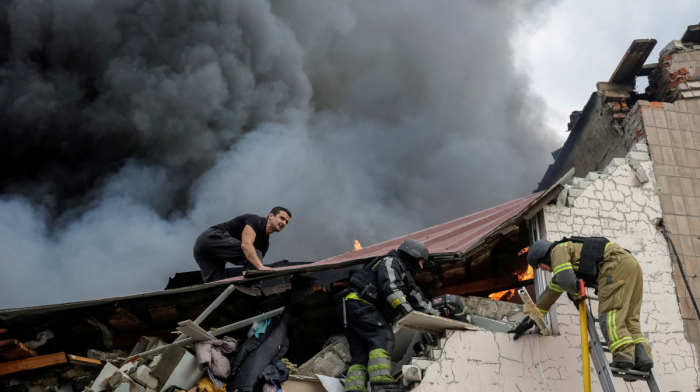
Russian drone and missile attacks on Kyiv early on Friday (9 January) killed at least 4 people, injured at least 19, and caused significant damage to residential buildings and critical infrastructure, Ukrainian officials said.
You can download the AnewZ application from Play Store and the App Store.
What is your opinion on this topic?
Leave the first comment