At least 18 people dead after migrant boat sinks off Türkiye's Aegean coast
At least 18 people were killed when an inflatable boat carrying migrants sank off Türkiye's&nbs...
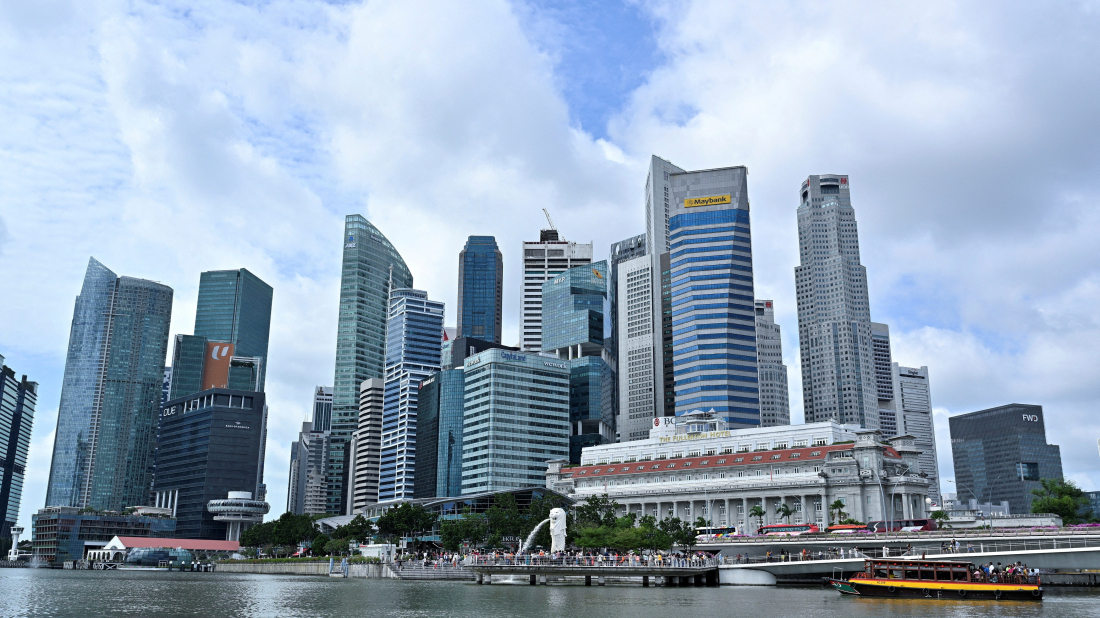
Singapore’s Foreign Ministry has issued a firm rebuke to foreign embassies in the city-state, stating that it “rejects attempts by foreign embassies to incite domestic reactions to international issues involving third countries.”
This response comes after the U.S. embassy in Singapore posted a social media video criticizing China’s claims in the South China Sea—using analogies involving HDB block scenarios—which sparked a rebuttal from the Chinese embassy. Observers noted Singapore’s swift move, highlighting concerns over foreign embassies publicly engaging in geopolitical disputes in a way that could influence local public opinion.
The move aligns with Singapore’s legal framework, including its Foreign Interference (Countermeasures) Act, which aims to curb foreign efforts to influence domestic sentiment or political views.
By making this statement, Singapore reasserts its stance on keeping national discourse free from diplomatic interference and preferring quiet, formal dialogue over public posturing on sensitive international matters.

U.S. President Donald Trump has said that the U.S is in talks with the new Iranian regime. He said this in a post on his Truth Social account but warned that the U.S. will "Obliterate" Iran's electric and oil facilities if no deal is reached, especially regarding the Strait of Hormuz closure.
The Iran-U.S.-Israel conflict is intensifying, with fresh strikes near Tehran, European calls for restraint, and Iran threatening to target U.S. firms in the region, raising fears of a broader escalation across the Middle East.
The war in Iran has rapidly upended regional security, triggering spillover across the Middle East and raising fears of wider economic disruption that could threaten globalisation.
Japan’s growing interest in Caspian crude reflects a pragmatic response to uncertainty in global energy markets and its continued reliance on the Middle East for more than 90% of its oil imports.
Russia has expelled a British diplomat, accusing him of economic espionage in a move that further strains already tense relations between Moscow and London. The United Kingdom described the action as intimidation and rejected the allegations outright, Reuters reports.
Australia’s move to ban social media access for children under 16 has intensified a global debate, as governments around the world weigh tougher rules amid growing concerns over mental health, safety and screen addiction.
Start your day informed with the AnewZ Morning Brief. Here are the top stories for 1 April, covering the latest developments you need to know.
The European Union's top diplomat Kaja Kallas and several EU foreign ministers voiced their support for Ukraine's demand for accountability over Russian atrocities committed in Bucha, as they visited the small town on Tuesday (31 March) on the fourth anniversary of a massacre there.
The UK will pay France £16.2 million to continue beach patrols for two months, as both sides race to agree a new deal to curb small boat crossings across the Channel amid rising migrant numbers and political pressure.
A Russian military An-26 aircraft has crashed in Crimea, killing all 30 people on board, Russia’s Defence Ministry has confirmed.
You can download the AnewZ application from Play Store and the App Store.
What is your opinion on this topic?
Leave the first comment