Russia-Ukraine peace talks in Abu Dhabi: What you need to know
Ukrainian and Russian negotiators began the second round of U.S.-brokered talks in Abu Dhabi on Wednesday, according to Ukrainian officials....
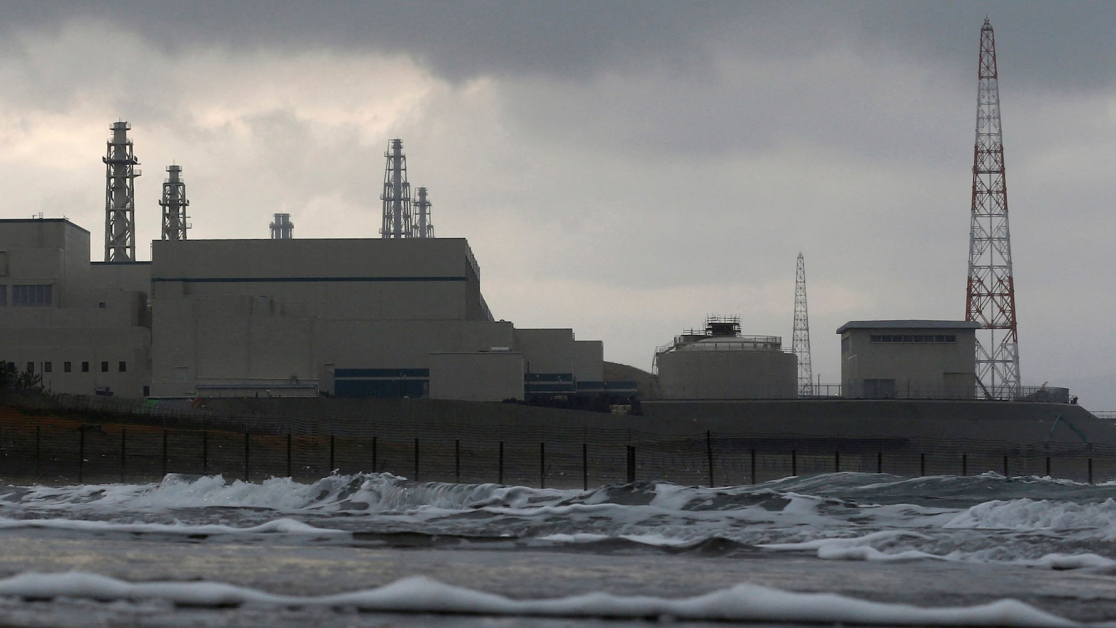
Japan is awaiting a decision on Friday from Niigata Prefecture Governor Hideyo Hanazumi on whether the Kashiwazaki-Kariwa nuclear plant can restart some reactors for the first time since the Fukushima disaster.
The announcement, due at 4 p.m. (0700 GMT), will determine whether Tokyo Electric Power Co (TEPCO) can move ahead with plans to relaunch units 6 and 7 at the facility, which can generate 2,710 megawatts—about a third of Kashiwazaki-Kariwa’s 8,212-MW capacity.
Approval would clear the last major hurdle for TEPCO, marking its first nuclear restart since the March 2011 tsunami destroyed Fukushima Daiichi and triggered the shutdown of all 54 reactors then in operation.
Prime Minister Sanae Takaichi has said she backs further nuclear restarts to strengthen energy security, with imported fuel still providing 60 % to 70 % of Japan’s electricity. Chief Cabinet Secretary Minoru Kihara said on Friday the restart was “extremely important” for reducing power costs and securing low-carbon supply.
It was unclear whether Governor Hanazumi’s decision might be influenced by a report issued on Thursday by Japan’s Nuclear Regulation Authority, which found inadequate management of confidential security documents at Kashiwazaki-Kariwa.
TEPCO has said it plans to decommission some of the plant’s remaining five units. In July, Kansai Electric Power said it had begun surveys for what would be Japan’s first new reactor project since 2011.
TEPCO shares were down 1.3 % on Friday, outperforming the Nikkei index, which fell 2.3 %.

Talks with the U.S. should be pursued to secure national interests as long as "threats and unreasonable expectations" are avoided, President Masoud Pezeshkian posted on X on Tuesday (3 February).
Cuba’s Deputy Foreign Minister Carlos Fernández de Cossío has denied that Havana and Washington have entered formal negotiations, countering recent assertions by U.S. President Donald Trump, while saying the island is open to dialogue under certain conditions.
Mexico said it will stop sending oil to Cuba as U.S. President Donald Trump ramped up pressure on the Caribbean nation.
Web Summit Qatar 2026 opened in Doha on Sunday, drawing tens of thousands of founders, investors, policymakers and technology leaders to what organisers describe as one of the region’s largest digital economy gatherings.
Any U.S. military strike on Iran would almost certainly trigger cross-border retaliation and could ignite a wider regional war, according to political analyst James M. Dorsey.
Ukrainian and Russian negotiators began the second round of U.S.-brokered talks in Abu Dhabi on Wednesday, according to Ukrainian officials.
Tech billionaire Elon Musk said the search at his social media platform X offices in Paris on Tuesday by French authorities was a "political attack".
Thousands of documents linked to the late sex offender Jeffrey Epstein have been taken down from the U.S. Justice Department’s (DOJ) website after victims and their lawyers warned that sensitive personal information had been exposed.
Start your day informed with AnewZ Morning Brief: here are the top news stories for the 4rd of February, covering the latest developments you need to know.
U.S. Secretary of State Marco Rubio met with Indian Foreign Minister Subrahmanyam Jaishankar on Tuesday (February 3) one day after the U.S. and India signed a trade deal.
You can download the AnewZ application from Play Store and the App Store.
What is your opinion on this topic?
Leave the first comment