Moscow blames Ukraine after five Azerbaijanis killed in the Sea of Azov
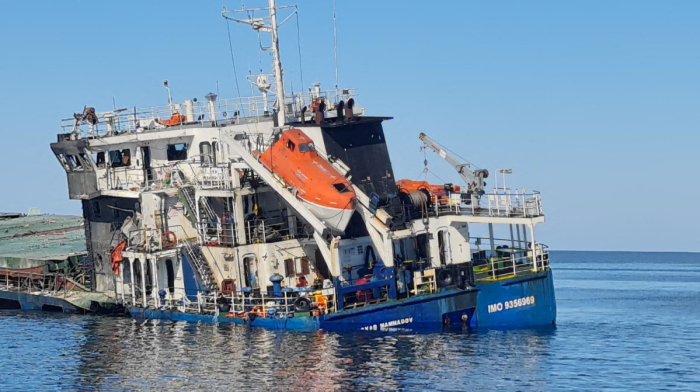
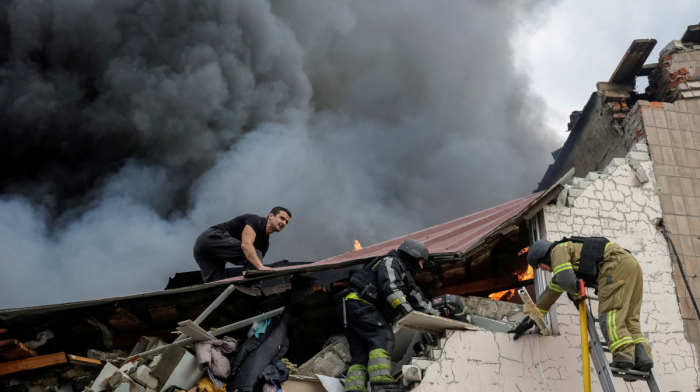
Five Azerbaijani crew members were killed, and three others were injured after two cargo vessels were hit in a drone attack in the Sea of Azov, Azerba...
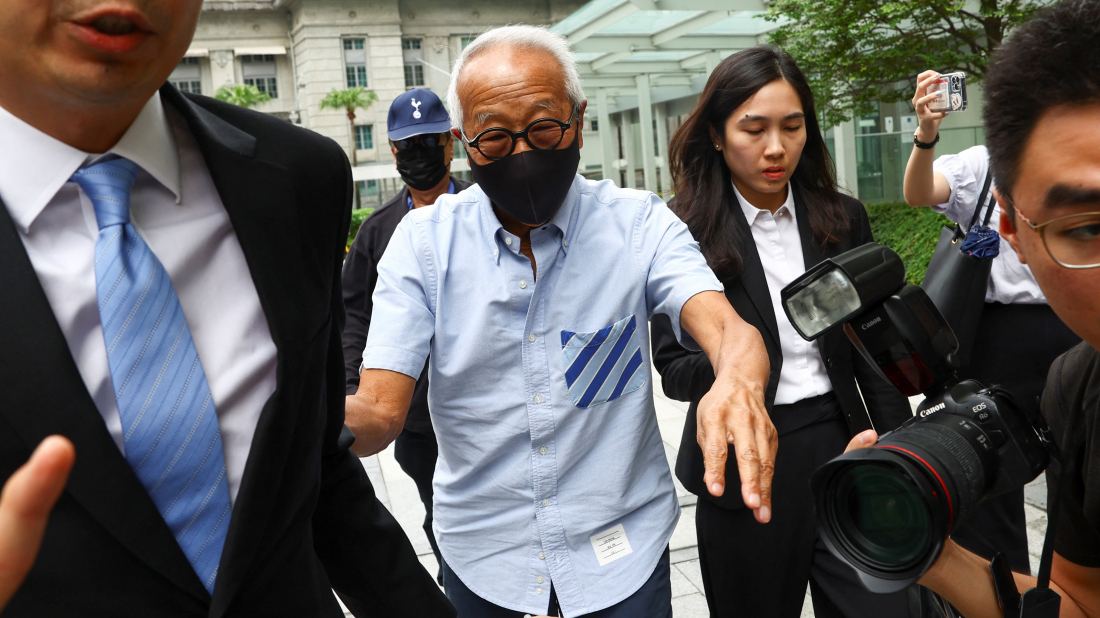
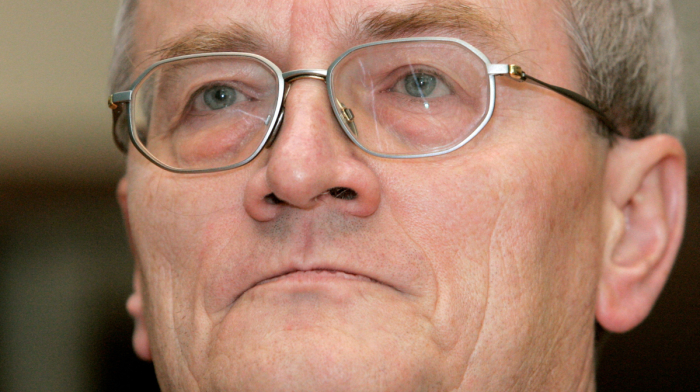
Singaporean property tycoon Ong Beng Seng pleaded guilty on Monday to one charge of obstructing justice in a high-profile case that led to the imprisonment of former transport minister Subramaniam Iswaran last year.
Both the prosecution and defence requested judicial mercy due to Ong’s chronic illness, asking the court to impose a fine instead of a jail sentence.
He will be sentenced on 15 August.
A second charge of abetting an offence was taken into consideration.
Judicial mercy in Singapore allows courts to issue more lenient sentences under exceptional circumstances, such as terminal illness or when imprisonment may endanger a person's life.
The defence said Ong suffers from multiple myeloma, a type of incurable blood cancer that leaves him immunocompromised.
According to prosecutors, Ong had informed Iswaran that his associates were questioned and that a private flight manifest bearing Iswaran’s name for a Singapore-to-Doha trip had been seized by anti-graft investigators.
This prompted Iswaran to ask Ong to issue an invoice through Singapore GP, the promoter of the Singapore Formula 1 Grand Prix, to bill him for the trip – a move prosecutors say Iswaran believed would reduce the likelihood of an investigation.
Iswaran, who was jailed for 12 months in October 2024 for obstructing justice and accepting more than $300,000 in gifts, became the first former cabinet minister in Singapore to be imprisoned.
He was placed under house arrest in February to serve the remainder of his sentence.
Ong had also provided Iswaran with tickets to English Premier League matches, the Singapore F1 Grand Prix, London musicals, and a private jet ride, among other favours.
Iswaran served as an adviser to the Singapore Grand Prix’s steering committee, while Ong, 78, holds the rights to the race.
The billionaire stepped down as managing director of Singapore-listed Hotel Properties in April.

Five Azerbaijani crew members were killed, and three others were injured after two cargo vessels were hit in a drone attack in the Sea of Azov, Azerbaijan's Foreign Ministry said on Friday, as Russia blamed Ukraine for the strike.
The new AnewZ documentary, TARGET: Yerevan, builds its explosive case on exclusive, secret recordings originally published by Minval Politika.
Azerbaijan has strongly rejected allegations published by CNN claiming that its territory was used for Israeli military and intelligence operations against Iran, describing the report as entirely baseless and demanding a retraction.
Armenia will hold parliamentary elections on 7 June 2026, a vote that will shape the country’s political direction for the next five years. Understanding how the electoral system converts votes into parliamentary power is key to following the outcome and its wider regional implications.
The U.S. House of Representatives has approved legislation that would provide new aid to Ukraine and impose additional sanctions on Russia, marking the latest instance of Republican lawmakers breaking ranks with President Donald Trump and party leaders.
People across Gaza are facing a worsening humanitarian crisis, with millions struggling to access food, clean water, shelter and medical care as the conflict continues.
The United States has announced an additional $38 million to support efforts to contain the Ebola outbreak in the Democratic Republic of Congo, as health officials warn that the virus could spread further without stronger action.
More than 6,000 people gathered outside a vote-counting centre in Seoul on Friday night, demanding this week’s local elections be repeated after ballot shortages left some voters unable to cast their ballots.
The next time a goal goes in during a Champions League final, fans around the world could watch it from every angle at once — frozen, rotated and replayed in ways that were impossible only a few years ago.
An ageing, poorly insured shadow armada now accounts for around one-sixth of the world's tanker fleet. Hidden by design and fraught with risk, it operates beyond conventional oversight. A maritime law expert explains how it works, who profits, and why much of the world looks the other way.
You can download the AnewZ application from Play Store and the App Store.
What is your opinion on this topic?
Leave the first comment