live Ali Larijani: Israel says Iran Security Chief has been killed, Middle East conflict - 17 March
Israel's Defence Minister Israel Katz has said that Iran's security chief Ali Larijani was killed in ta...
The Lebanese army has sent troops to southern Lebanon on Wednesday. It's part of a U.S.-brokered ceasefire with Hezbollah aimed at de-escalating tensions.
The ceasefire, which is also supported by the United Nations and France, includes key provisions to restore calm along Lebanon’s southern border, where tensions have been escalating for months.
As part of the deal, Israel is required to withdraw its forces from southern Lebanon, while Hezbollah is instructed to move its fighters north of the Litani River, a strategic location in southern Lebanon. The agreement is designed to end hostilities and establish a more stable security situation in the region. The U.N. will play a crucial role in monitoring the situation, with peacekeepers deployed to ensure compliance from both parties. An international panel led by the U.S. will also oversee the adherence to the ceasefire terms, ensuring that the terms are upheld throughout the region.
The Lebanese army's active role in this agreement is pivotal. Troops have been deployed to assert control in the south, which has long been a stronghold for Hezbollah fighters. This move is part of a broader plan to stabilize the region and prevent further escalation. The agreement sets out a gradual 60-day timeline for Israel’s withdrawal, with the pace of the pullback and the return of Lebanese civilians contingent on the successful execution of the ceasefire terms.

The other evening, I was fuelling my car at a petrol station in Kenya’s capital. It was one of those small moments most motorists barely notice. The attendant filled the tank, I glanced at the pump price, paid, and drove off.
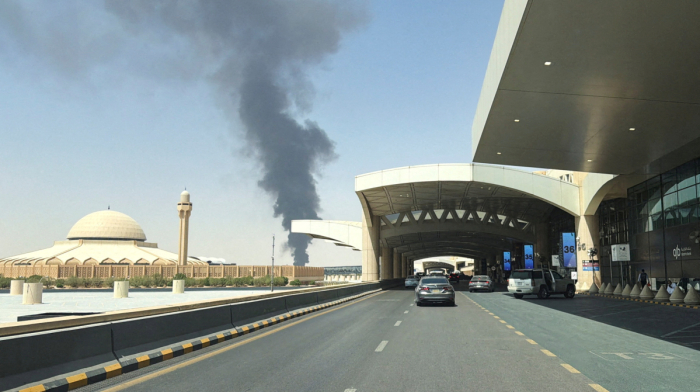
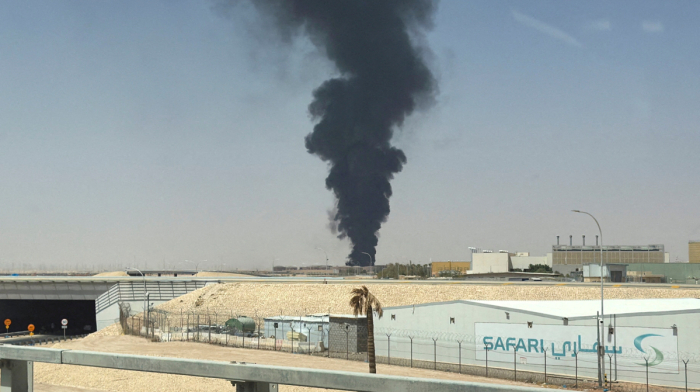
President Trump called on countries to assist in reopening the Strait of Hormuz, while Starmer said the UK is working with allies to restore navigation and stabilise oil markets. It comes as a strike near Iraq’s western border killed several Hashed al-Shaabi fighters, raising regional tensions.
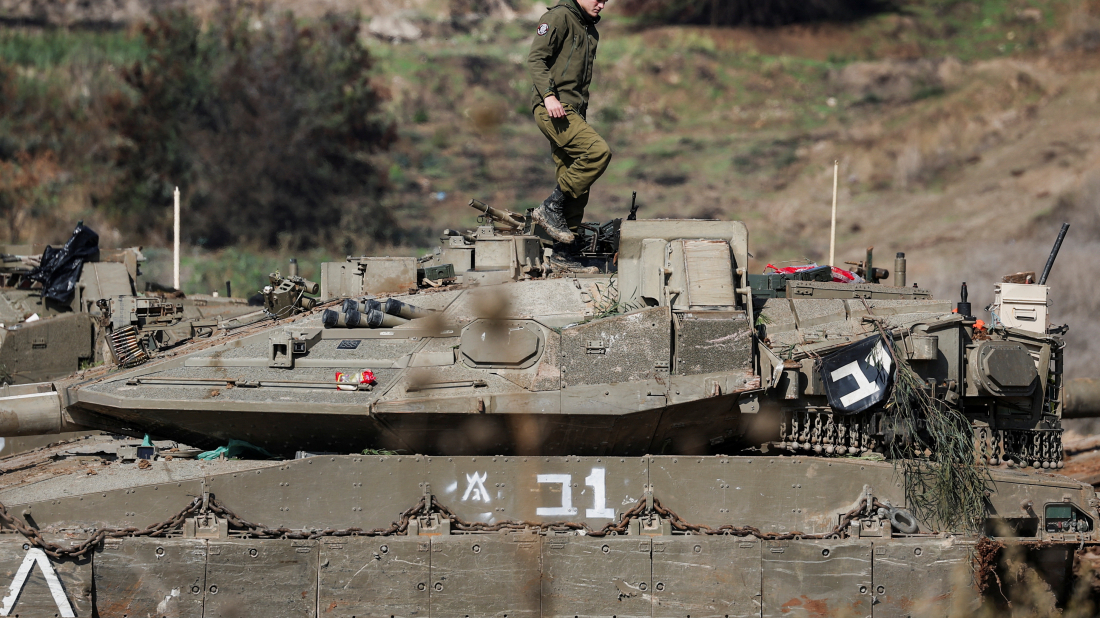
Israel's Defence Minister Israel Katz has said that Iran's security chief Ali Larijani was killed in targeted strikes on the country.
Kazakhstan has adopted a new constitution that could allow President Kassym-Jomart Tokayev to stay in power beyond 2029. The Central Election Commission confirmed that 87.15% of voters backed the constitution in a referendum held on Sunday (17 March).
The World Health Organization (WHO) has released $2m in emergency funding to support health responses in Lebanon, Iraq and Syria as escalating regional conflict strains hospitals, raises displacement and increases pressure on already fragile health systems.
A series of severe storms, blizzards and tornadoes on Monday disrupted life across much of the U.S., leaving more than 12,500 flights delayed or cancelled and forcing schools, federal offices and communities to take emergency precautions.
China’s international trade representative has said Beijing and Washington have reached a “preliminary consensus” on some key issues following their latest round of talks in Paris, offering a cautious sign of progress in a relationship long marked by tension and uncertainty.
Chile’s newly inaugurated president, José Antonio Kast, has taken his first major step on immigration, launching plans for a fortified barrier along the country’s northern border just days after entering office.
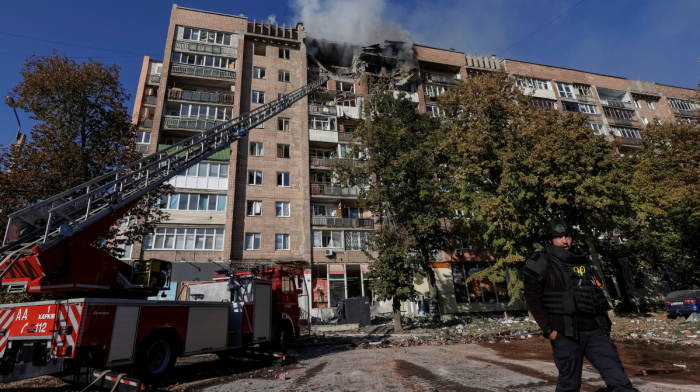
A Russian drone attack damaged industrial, port, and energy infrastructure in Ukraine's southern Odesa region overnight. The strikes disrupted power supplies in several settlements, prompting local authorities to switch critical facilities to backup power generators.
Start your day informed with AnewZ Morning Brief. Here are the top news stories for the 17 March, covering the latest developments you need to know.
You can download the AnewZ application from Play Store and the App Store.
What is your opinion on this topic?
Leave the first comment