AnewZ Morning Brief - 7 January, 2026
Start your day informed with AnewZ Morning Brief: here are the top news stories for the 7th of January, covering the latest developments you need to k...
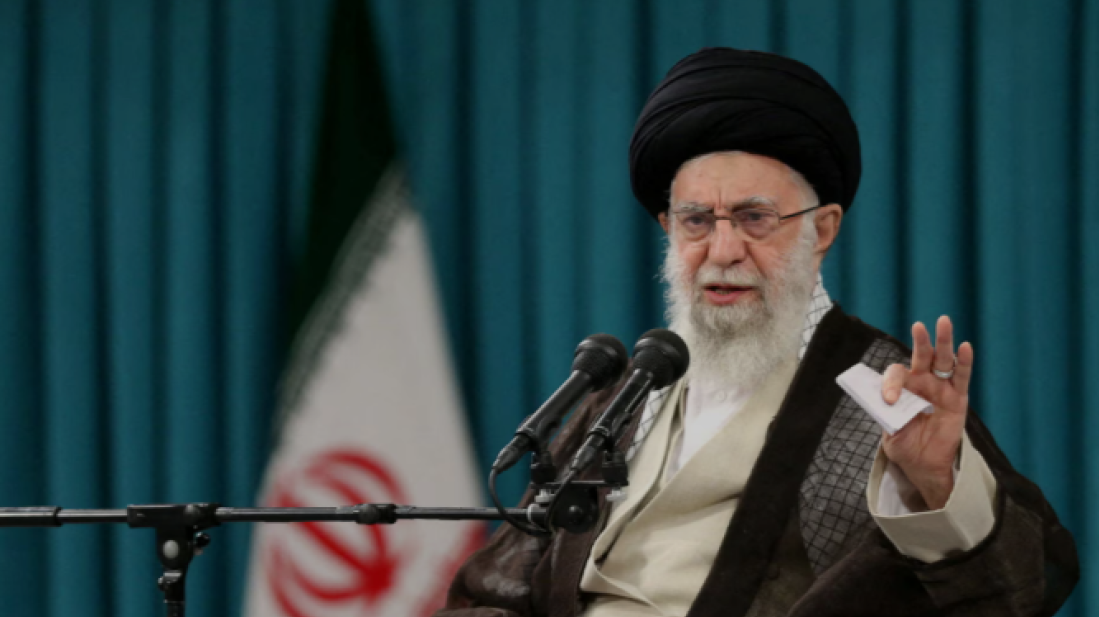
Iran’s Supreme Leader Ayatollah Ali Khamenei warned that Tehran is fully prepared to retaliate against any new military attack, saying it could strike harder than during the recent Iran-Israel conflict.
Khamenei praised Iran's resilience and said Iran’s missile attack on the U.S. base in Qatar showed its capabilities, warning that 'an even bigger blow' could be dealt if necessary.
His remarks come as Iran faces pressure to resume nuclear negotiations. The U.S., along with France, Germany, and the UK have agreed on an end-of-August deadline for a new deal.
France warned that if no progress is made, UN sanctions could be reimposed under the snapback mechanism. Khamenei asserted that Iran always enters both diplomacy and warfare from a position of strength, urging diplomats to continue their work confidently.
Meanwhile, Iran’s parliament issued a statement opposing the resumption of nuclear talks unless prior conditions are met, signaling internal resistance to Western negotiations.

Germany’s foreign intelligence service secretly monitored the telephone communications of former U.S. President Barack Obama for several years, including calls made aboard Air Force One, according to an investigation by the German newspaper Die Zeit.
Israeli media report that Israeli Prime Minister Benjamin Netanyahu chaired a lengthy security meeting that reportedly focused on the country’s regional threats, including Gaza, Lebanon, and Iran.
At the end of last year, U.S. President Donald Trump was reported to have raised the Azerbaijan–Armenia peace agenda during a conversation with Israel’s prime minister, warning that if peace were not achieved, Washington could raise tariffs on both countries by 100 percent.
President Ilham Aliyev said 2025 has politically closed the Armenia-Azerbaijan conflict, as a Trump-era reset in U.S. ties, new transport corridors and a push into AI, renewables and defence production reshape Azerbaijan’s priorities.
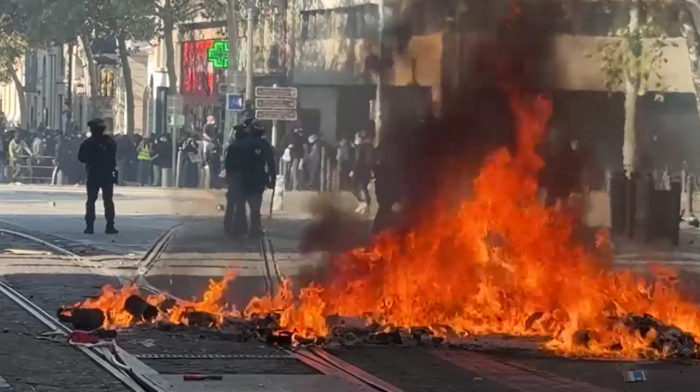
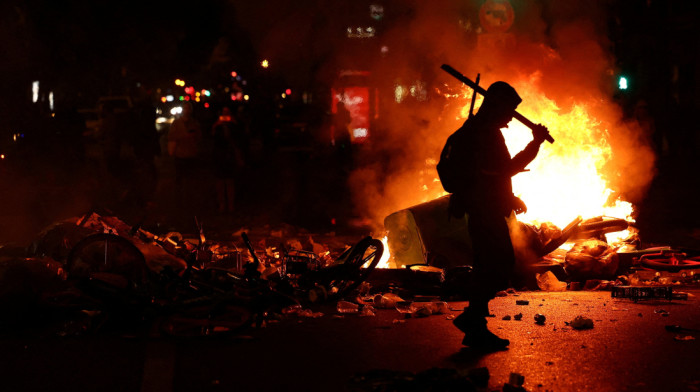
Protests continued into another day in Iran, with crowds returning to the streets despite mounting pressure from the authorities. By scale and spread, the unrest has entered its most significant phase so far.
Start your day informed with AnewZ Morning Brief: here are the top news stories for the 7th of January, covering the latest developments you need to know.
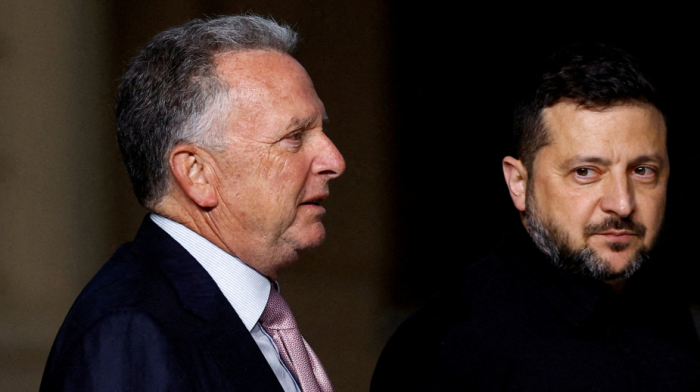
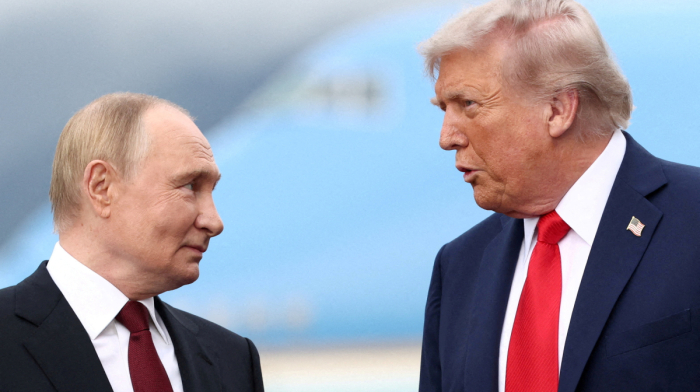
European countries and the United States presented a united front in support of Ukraine, unveiling security guarantees backed by Washington and a detailed plan for long-term assistance contingent on a ceasefire with Russia.
South Korean President Lee Jae Myung said on Wednesday (7 January), that significant progress has been made in restoring trust with China. He also reiterated that relations with Japan are equally important for Seoul’s diplomacy amid shifting regional dynamics.
A magnitude 6.7 earthquake has struck off the southern Philippines, with no immediate reports of damage or injuries, the U.S. Geological Survey (USGS) has said.
U.S. President Donald Trump and his team say they're actively exploring options to acquire Greenland, with discussions including the potential use of U.S. military, which is "always an option," according to a statement from the White House on Tuesday.
You can download the AnewZ application from Play Store and the App Store.
What is your opinion on this topic?
Leave the first comment