UN calls for investigation into deadly attack on Iranian school
The United Nations has called for an investigation into a deadly attack o...
The United States will begin talks with allies later this year on scaling back its military presence in Europe.
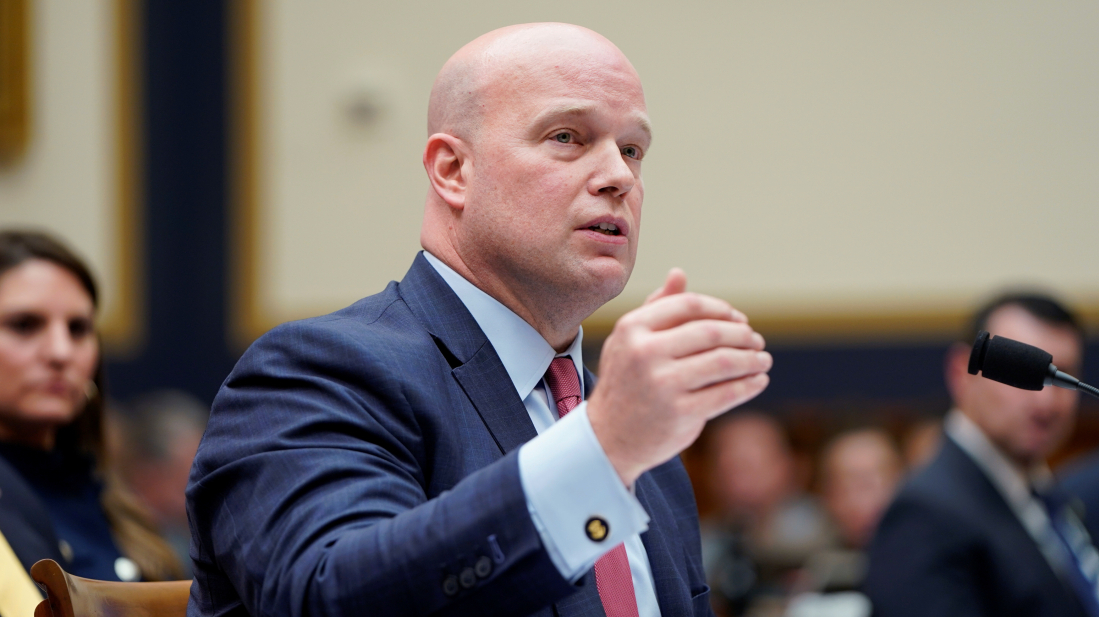
U.S. ambassador to NATO Matthew Whitaker confirmed the plan Friday, saying discussions will start after the NATO summit in The Hague this June.
Speaking in Estonia, Whitaker said the move reflects a long-standing U.S. goal to shift military focus. "It’s more than 30 years of U.S. desire (to reduce troops in Europe), President Trump just said, enough, this is going to happen and it’s going to happen now, this is going to be orderly, but we are not going to have any more patience for foot dragging in this situation... We just need to work through the practical consequences." he told a security forum.
He emphasized, however, that the U.S. is not withdrawing from NATO and will remain a committed ally.
Tensions have risen amid repeated complaints from Washington about European countries not spending enough on defense. U.S. Defense Secretary Pete Hegseth warned that America can no longer prioritize Europe’s security.
Reports of internal frustration within the Trump administration, including from Vice President JD Vance and Hegseth, have increased European concerns about future U.S. support — especially for Ukraine.
Whitaker also cautioned the European Union against blocking non-European companies from defense contracts, saying this could weaken NATO cooperation and slow military modernization.

Follow the latest developments and global reaction after the U.S. and Israel launched “major combat operations” in Iran, prompting retaliation from Tehran.
The Kremlin is utilising the recent United States and Israeli military strikes on Iran to validate its ongoing war in Ukraine. Russian officials are pointing to the escalation in the Middle East as evidence that Western nations do not adhere to international rules.
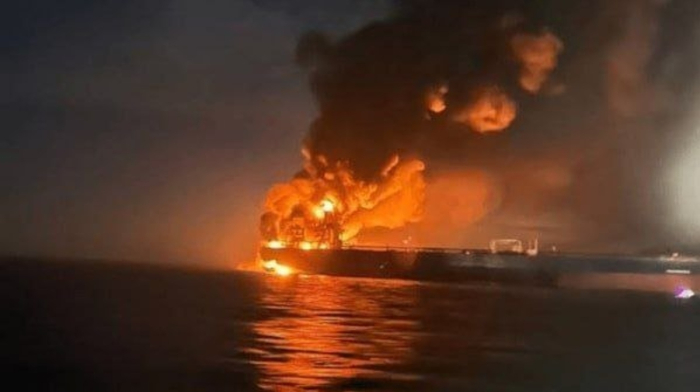
Saudi Arabia’s state oil giant Saudi Aramco closed its Ras Tanura refinery on Monday following an Iranian drone strike, an industry source told Reuters as Tehran retaliated across the Gulf after a U.S.-Israeli attack on Iranian targets over the weekend.
The Middle East crisis intensifies after the deadly attack on the compound of the Supreme Leader of Iran Ali Khamenei on Saturday that killed him, other family members and senior figures. Iran has launched retaliatory strikes on U.S. targets in the region.
Ayatollah Alireza Arafi has moved into a pivotal constitutional role following the death of Supreme Leader Ayatollah Ali Khamenei, becoming the clerical member of Iran’s temporary leadership council under Article 111 of the Constitution of the Islamic Republic of Iran.
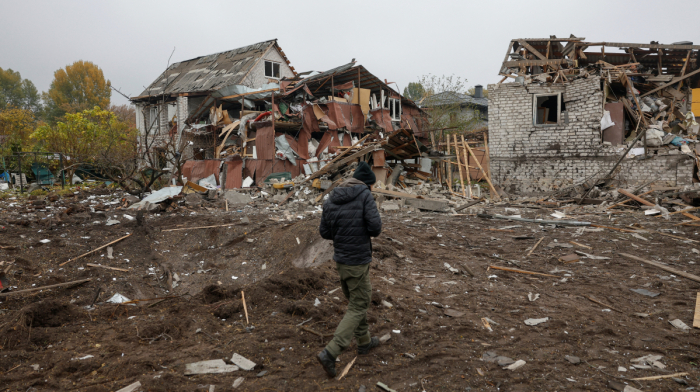
The United Nations has called for an investigation into a deadly attack on a girls’ primary school in Iran, which Iranian officials say has killed more than 100 children. The U.S. has said its forces “would not” deliberately target a school.
U.S. first lady, Melania Trump chaired a UN Security Council meeting on children and education in conflict on Monday (2 March), a move criticised by Iran as hypocritical following U.S. and Israeli strikes that triggered a UN warning about risks to children.
Start your day informed with AnewZ Morning Brief. Here are the top news stories for the 3rd of February, covering the latest developments you need to know.
Canadian Prime Minister Mark Carney arrived in Australia on Tuesday (3 March), aiming to bolster relations between the two so-called "middle powers" amid what he has called a "rupture" in world order.
Former U.S. President Bill Clinton told lawmakers that President Donald Trump told him he had "some great times" with convicted sex offender Jeffrey Epstein before their relationship soured, according to a video released on Monday (2 March).
You can download the AnewZ application from Play Store and the App Store.
What is your opinion on this topic?
Leave the first comment