Azerbaijan sends 2,698 tons of fuel to Armenia by rail
Azerbaijan has dispatched a new rail shipment of petroleum products to Armenia, marking a continued resumption of trade following the lifting of long ...
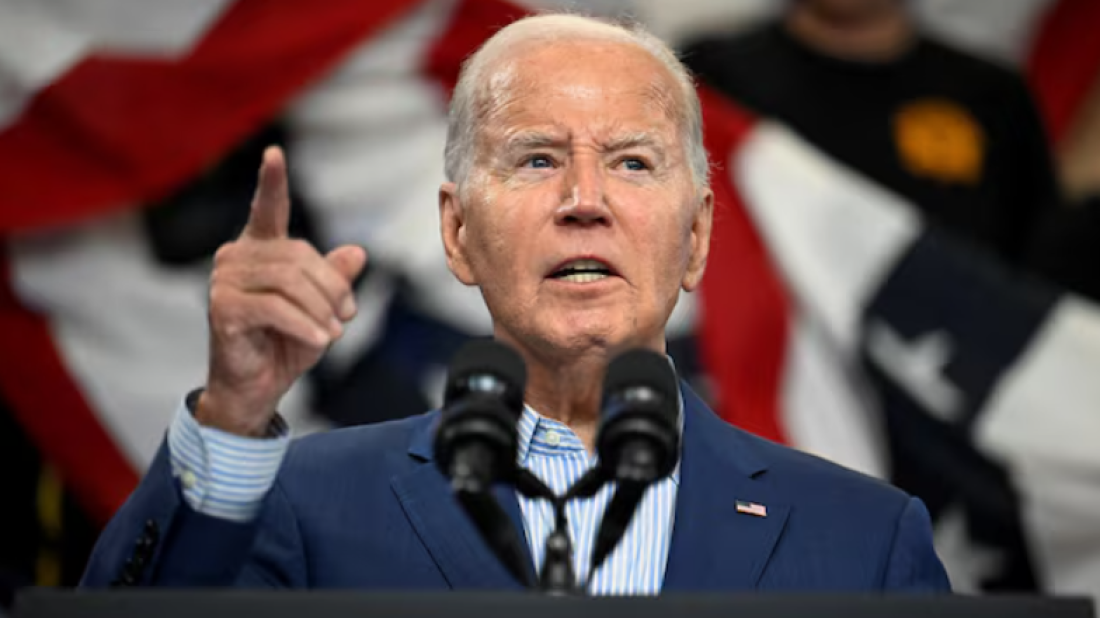
In his first interview since leaving office, Joe Biden expressed concern over proposed peace deals for Ukraine that involve territorial concessions, describing them as a dangerous form of appeasement while also addressing US-Europe relations and his own political decisions.
In his first major interview since stepping down from the presidential race, former US President Joe Biden told the BBC that recent suggestions from Trump administration officials encouraging Ukraine to surrender territory to Russia reflect a strategy he considers "modern-day appeasement."
His comments came as the Allied nations commemorate the 80th anniversary of Victory in Europe Day. Biden warned that another Trump presidency could strain transatlantic relations in ways that could reshape global dynamics. “It would change the modern history of the world,” he said.
When asked about US military and political support for Ukraine during his presidency, Biden defended the White House’s evolving approach, saying that restrictions on the use of American weapons were gradually lifted as the conflict progressed. “We gave them everything they needed to provide for their independence,” he said, adding that the US was ready to respond more forcefully if Russia escalated further.
The interview also addressed recent remarks from Vice-President JD Vance, who proposed a peace plan that would “freeze” the current battle lines, implying Kyiv would need to give up territory. Defence Secretary Pete Hegseth supported the idea, calling a return to Ukraine’s pre-2014 borders “unrealistic.”
Biden likened these proposals to 1930s-era efforts to avoid war through territorial concessions, referencing then-Prime Minister Neville Chamberlain’s attempts to appease Nazi Germany. “It is modern-day appeasement,” Biden said.

Snow and ice stalled travellers in northwest Europe on Wednesday, forcing around a thousand to spend the night in Amsterdam's Schiphol airport but delighting others who set out to explore a snow-blanketed Paris on sledges and skis.
U.S. President Donald Trump has warned that Iran could face a strong response from the United States if its authorities kill protesters amid ongoing unrest.
Snow and ice caused travel chaos in northwest Europe on Wednesday, while others were delighted by the snow-covered streets of Paris, venturing out on sledges and skis.
Iran is now facing a near‑total internet blackout as anti-government protests sweep the country. Major cities including Tehran have seen connectivity drop sharply, leaving millions of residents isolated from online communication.
Hungary’s foreign minister on Wednesday criticised European plans to establish military hubs in Ukraine, saying the move risks pushing Europe closer to a direct confrontation with Russia.
New York City parents could soon have access to free childcare for two-year-old children following a joint announcement made by Mayor Zohran Mamdani and Governor Kathy Hochul on Thursday (8 January).
French President Emmanuel Macron has warned that the U.S. is “gradually turning away” from some of its allies and “breaking free from international rules”.
Start your day informed with AnewZ Morning Brief: here are the top news stories for the 9th of January, covering the latest developments you need to know.
Russian drone and missile attacks on Kyiv early on Friday (9 January) killed at least 4 people, injured at least 19, and caused significant damage to residential buildings and critical infrastructure, Ukrainian officials said.
Venezuela has released Former opposition candidate Enrique Marquez and prominent Venezuelan-Spanish rights activist Rocío San Miguel and four other Spanish citizens, local rights group Foro Penal confirmed on Thursday (9 January).
You can download the AnewZ application from Play Store and the App Store.
What is your opinion on this topic?
Leave the first comment