The United States is urging both Congo and Rwanda to sign a peace agreement at the White House in the coming months,accompanied by mineral deals that would attract billions of dollars in Western investment to the region, according to Massad Boulos, President Donald Trump's senior advisor for Africa.
Boulos confirmed in an interview from Doha on Thursday that the peace deal between the Democratic Republic of Congo (DRC) and Rwanda will coincide with bilateral agreements on mining investments. "When we sign the peace agreement ... the minerals deal with the DRC will be signed on that day, and then a similar package, but of a different size, will be signed on that day with Rwanda," Boulos explained.
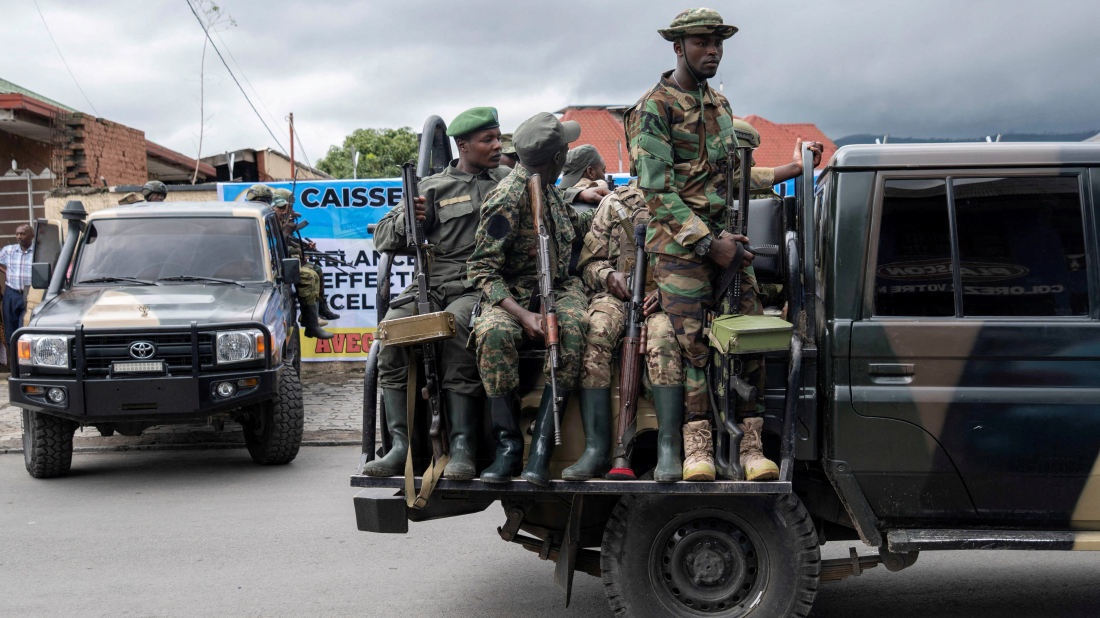
The DRC and Rwanda are locked in a decades-long conflict, exacerbated by the advance of Rwandan-backed M23 rebels, who have been fighting in the mineral-rich eastern Congo. Rwanda has denied supporting the group, despite growing evidence of its involvement.
Rwanda and Congo are expected to submit separate drafts of a peace agreement on Friday, as part of a peace process that was initiated in Washington last week. The Congolese government has yet to respond to requests for comment on the draft peace terms.
The U.S. is facilitating a meeting in mid-May between U.S. Secretary of State Marco Rubio and the foreign ministers of Rwanda and Congo to finalize the peace agreement. However, Boulos stated that before the agreement can be finalized, both countries need to secure bilateral economic deals with Washington. These deals are expected to unlock massive investments from U.S. and Western companies in Congolese mines, infrastructure projects, and mineral processing in both Rwanda and Congo.
"The agreement with the DRC is at a much bigger scale, because it's a much bigger country and it has much more resources, but Rwanda also has a lot of resources and capacities and potential in the area of mining as well... not just the upstream, but also midstream and downstream to processing and refining and trading," Boulos said.
The U.S. and Western companies have indicated they are ready to invest billions of dollars in the region once these mineral deals are signed, which could lead to significant economic development for both nations.
However, Boulos highlighted that these agreements would only proceed once both countries address several security concerns. Rwanda is expected to withdraw its troops from Congo and cease supporting M23 rebels, while Congo must address Rwanda's security concerns related to militias such as the Democratic Forces for the Liberation of Rwanda (FDLR).
To ensure both countries' progress, a follow-up committee has been set up, comprising representatives from the U.S., Qatar, France, and Togo, which is representing the African Union.












What is your opinion on this topic?
Leave the first comment