China's emissions data shows bigger drop than previously reported
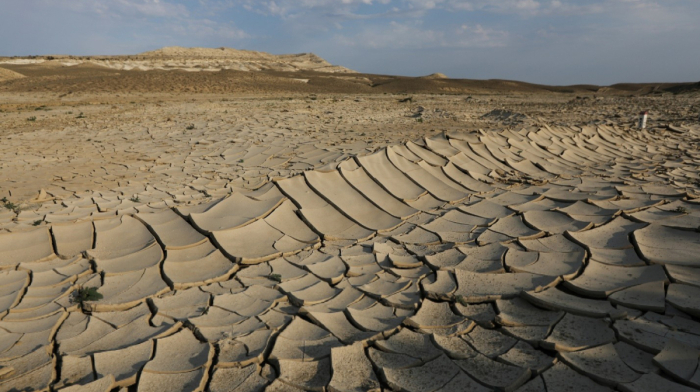
China’s carbon emissions grew far less than previously thought over the past five years, according to a new analysis that is drawing close attention...
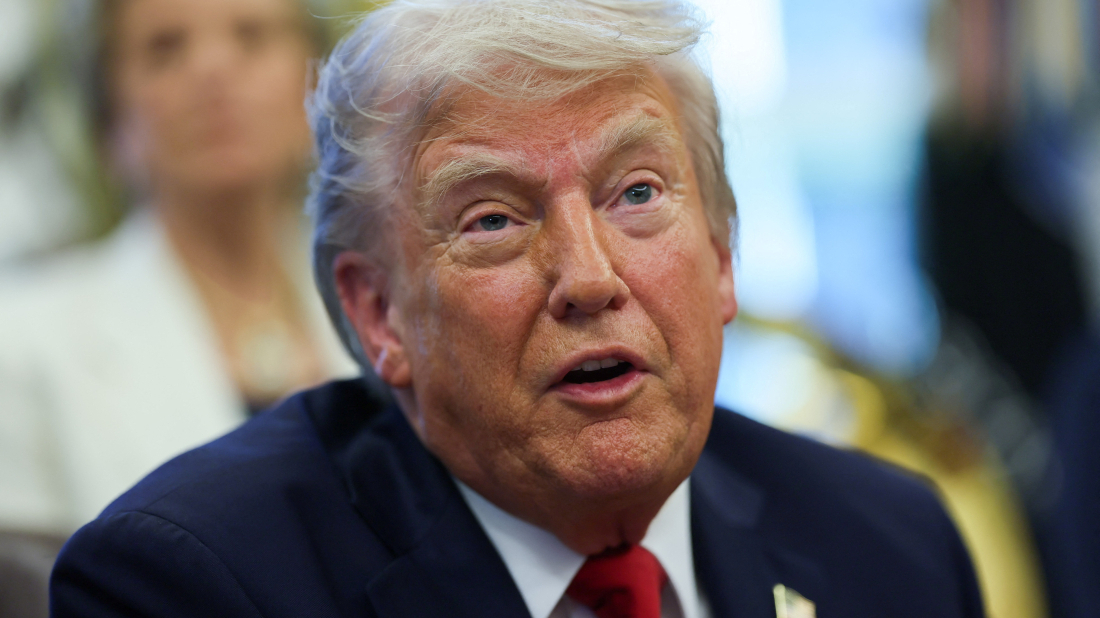
Just days after Vladimir Putin offered to freeze the war in Ukraine, U.S. President Donald Trump criticised Ukrainian President Volodymyr Zelenskyy for rejecting any recognition of Russia’s occupation of Crimea.
In a post on Truth Social, Trump described Ukraine’s situation as “dire.”
“He can have Peace, or, he can fight for another three years before losing the whole Country,” he wrote.
The leader went further:
“We are very close to a Deal, but the man with ‘no cards to play’ should now, finally, GET IT DONE.”
Trump was responding to a remark by Zelenskyy in Kyiv on Tuesday. The Ukrainian president told reporters that Ukraine would “not legally recognise the occupation of Crimea”—the Black Sea peninsula annexed by Russia in 2014 but still internationally recognised as Ukrainian territory.
“There’s nothing to talk about here. This is against our constitution,” Zelenskyy said.
That phrase—“no cards to play”—recalls a tense moment earlier this year.
On February 28, Trump and Zelenskyy clashed during a meeting at the White House. Trump accused Zelenskyy of stalling peace. The meeting ended abruptly without a signed minerals agreement. Within days, Washington suspended military aid (March 3) and paused intelligence sharing (March 5), raising pressure on Kyiv.
Vice President JD Vance echoed that pressure this week, warning it was time for both sides to accept a U.S. peace proposal “or for the United States to walk away.” Speaking in India, he backed a territorial freeze “close to where [the lines] are today” and called for “a long-term diplomatic settlement.”
According to the Financial Times, Putin told Trump’s envoy Steve Witkoff that Russia could drop claims to parts of four eastern Ukrainian regions still held by Kyiv. But on Crimea, there was no movement.
It stays with Russia.

Start your day informed with the AnewZ Morning Brief. Here are the top stories for 26 May, covering the latest developments you need to know.
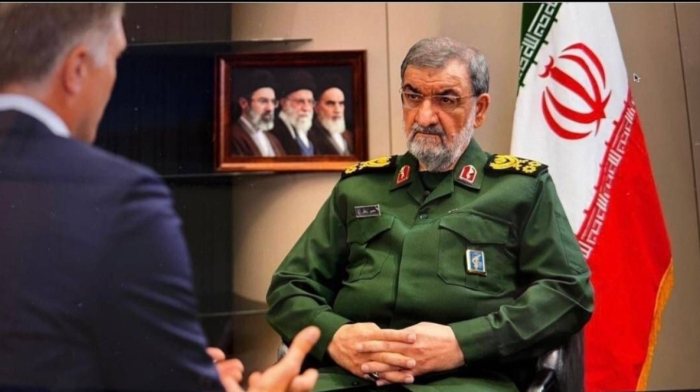
Dozens of people were killed in Israeli strikes on Lebanon on Tuesday, Lebanese officials said, straining a fragile ceasefire agreed between the countries in April. The attacks came as Iran accused the U.S. of violating a separate ceasefire with strikes near the Strait of Hormuz.
Chinese investigators have uncovered hidden tunnels, missing worker trackers and fake underground walls during an initial investigation into the country’s deadliest mining disaster in more than 15 years.
The new AnewZ documentary, TARGET: Yerevan, builds its explosive case on exclusive, secret recordings originally published by Minval Politika.
The visit by U.S. Secretary of State Marco Rubio to Armenia marks one of the clearest signs yet of Washington’s growing interest in the South Caucasus.
China’s carbon emissions grew far less than previously thought over the past five years, according to a new analysis that is drawing close attention from climate researchers worldwide.
Bolivia’s President Rodrigo Paz has taken steps towards potentially declaring a state of emergency as anti-government protests intensify in the early months of his administration.
Norway is set to come under France’s nuclear umbrella, marking a significant shift in European security arrangements as concerns grow over the United States’ long-term commitment to the region.
Britain has announced fresh sanctions targeting cryptocurrency exchanges, financial networks and banks accused of helping Russia evade Western restrictions imposed after the invasion of Ukraine.
Muslims around the world have marked Eid al-Adha with prayers, celebrations and acts of charity, though for many Palestinians the holiday unfolded amid conflict, restrictions and loss.
You can download the AnewZ application from Play Store and the App Store.
What is your opinion on this topic?
Leave the first comment