Inca child mummy returns home after 119 years in museum
An Inca child mummy discovered high in the Andes more than a century ago has been returned to an indigenous community in north-western Argentina after...
Reliable sources have confirmed to AnewZ that the United States has asked Azerbaijan to join a Stabilisation Force in Gaza, as part of a proposed international mission to secure the territory.
The sources also say that Baku has not yet reached a final decision. Azerbaijan’s position is firm: any participation must rest on a United Nations Security Council resolution that grants international legitimacy and sets a clear mandate.
This mission is not a classic UN peacekeeping operation. It is envisioned as a multinational stabilisation force, similar to the peacebuilding frameworks seen after the Balkan conflicts — designed to secure key sites, ensure aid delivery, and prevent the return of armed confrontation while political structures take shape.
What is the International Stabilisation Force (ISF)?
The International Stabilisation Force is a proposed U.S.-backed multinational mission tasked with maintaining security, facilitating humanitarian aid, and overseeing reconstruction in Gaza once hostilities cease. The initiative seeks to prevent renewed violence, assist with rebuilding essential infrastructure, and support a transition toward stable governance.
The United States is not expected to deploy its own troops. Instead, Washington aims to assemble a coalition of trusted regional and international partners, with Azerbaijan seen as a credible contributor capable of providing both diplomatic balance and experience in strategic peace efforts.
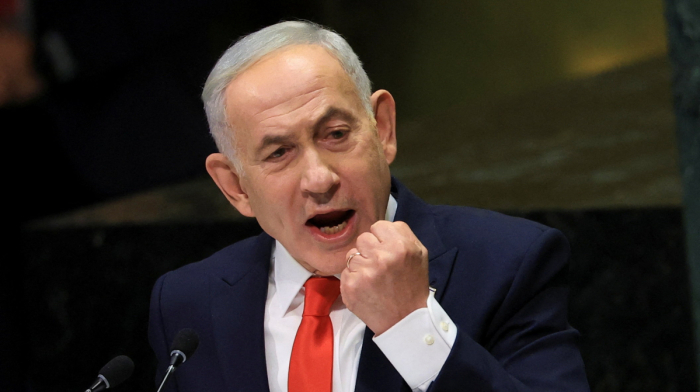
Reports in Israeli media say the concept was discussed recently between U.S. Vice President J.D. Vance and Israeli Prime Minister Benjamin Netanyahu, as Washington and its partners explore options for a post-war security framework in Gaza.
Azerbaijan’s approach on Gaza has remained consistent. Baku coordinates with the Organisation of Islamic Cooperation, the Arab League, and the wider Islamic world, stressing that Arab states must first establish a unified vision for Gaza’s future before outside actors step in.
Sources say Arab partners have taken note of Azerbaijan’s balanced posture, rooted in long-standing ties with the Islamic world and cooperation with Palestine.
Diplomacy now moves to New York and as the region walks a fragile path toward stability, Azerbaijan sits at the crossroads of regional responsibility and emerging global expectation.

A group of Azerbaijani civil society organisations has called for increased scrutiny of Swiss building materials giant Holcim, citing court rulings and ongoing investigations linked to its subsidiary Lafarge's activities during the Syrian conflict.
The World Health Organization (WHO) says ongoing conflict, funding pressures and international travel restrictions are complicating efforts to contain a fast-growing Ebola outbreak in the Democratic Republic of Congo (DRC).
Russia and Kazakhstan signed 15 agreements during President Vladimir Putin’s state visit to Astana on Thursday (28 May), including deals on Kazakhstan’s first nuclear power plant and expanded oil cooperation with Russia.
The trial of a 21-year-old accused of planning an Islamist attack at a Taylor Swift concert in Vienna entered its final day on Thursday (28 May), with a verdict expected later in the evening.
France will become the first country in the European Union to reimburse anti-obesity drugs through its public healthcare system, Health Minister Stéphanie Rist announced on Thursday (28 May).
A renewed wave of U.S. diplomatic activity in the South Caucasus highlights Washington’s growing focus on regional connectivity, trade and security, according to Associate Professor George Mchedlishvili of European University in Tbilisi.
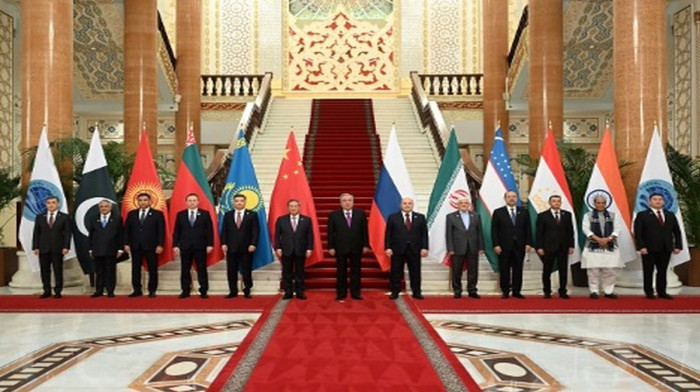
Kyrgyzstan has signed a series of cooperation agreements with China and Belarus at the Fifth Forum of Regional Leaders of Shanghai Cooperation Organisation (SCO) member states, underlining the country's growing economic engagement within the regional bloc.
A group of Azerbaijani civil society organisations has called for increased scrutiny of Swiss building materials giant Holcim, citing court rulings and ongoing investigations linked to its subsidiary Lafarge's activities during the Syrian conflict.
Kazakhstan has reiterated that no existing route can replace the Caspian Pipeline Consortium (CPC), which carries more than 80% of the country's crude oil exports through Russia to the Black Sea.
Russia and Kazakhstan signed 15 agreements during President Vladimir Putin’s state visit to Astana on Thursday (28 May), including deals on Kazakhstan’s first nuclear power plant and expanded oil cooperation with Russia.
You can download the AnewZ application from Play Store and the App Store.
What is your opinion on this topic?
Leave the first comment