China eyes tariff cuts as it adds 56 U.S. companies to restriction lists
Days after Beijing imposed fresh restrictions on 56 U.S. companies, China's Ministry of Commerce said it remained committed to pursuing tariff cuts an...
Ukraine and Russia have signaled a renewed willingness to pursue peace, as Kyiv prepares for high-level talks in London and Moscow voices support for diplomatic solutions to the ongoing conflict.
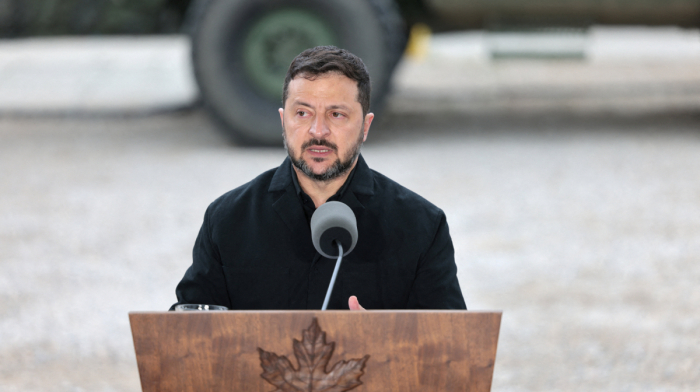
Ukraine on Monday announced it will hold peace talks in London on Wednesday, with the United Kingdom, France, and the United States expected to participate. President Volodymyr Zelenskyy shared the update following what he described as a “good and detailed” phone conversation with UK Prime Minister Keir Starmer. Writing on social media platform X, Zelenskyy emphasized Ukraine's readiness to pursue a constructive path toward “an unconditional ceasefire and a lasting peace.”
On the same day, Kremlin spokesperson Dmitry Peskov confirmed Russia’s continued willingness to seek a diplomatic resolution to the conflict, though he did not provide a specific timeline. Peskov underlined the importance of conducting peace efforts discreetly, warning against public disclosures that could disrupt the process. He also welcomed recent comments from the United States, which indicated opposition to Ukraine joining NATO.
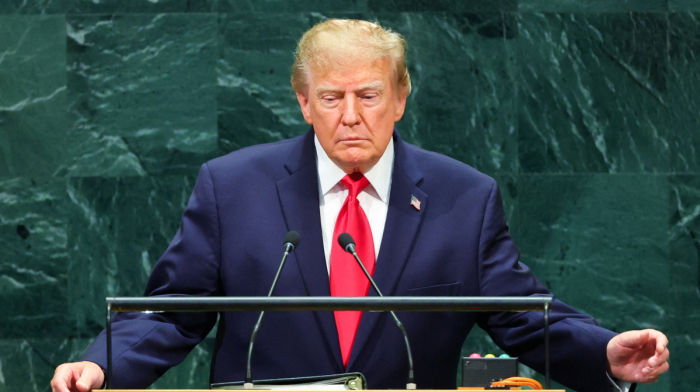
Meanwhile, U.S. President Donald Trump expressed optimism on Truth Social that Russia and Ukraine might reach a deal this week.
In his nightly address, Zelenskyy reiterated Ukraine’s offer not to target civilian infrastructure and called for a clear response from Moscow. “The most reliable way to ensure this commitment is to halt missile and long-range drone strikes,” he said, adding that such a move would automatically protect civilian facilities.
A day earlier, Russian President Vladimir Putin signaled that the Kremlin views peace initiatives positively and hopes Kyiv will do the same. Addressing Ukraine’s proposal to avoid striking civilian infrastructure, Putin said the issue warrants careful review—possibly through bilateral discussions—before decisions are made going forward.

Fourteen people were killed on Sunday after a helicopter belonging to Saudi oil giant Aramco crashed in Ras Tanura, according to Saudi state media.
Rescue teams raced on Sunday to find more survivors of the two powerful earthquakes that struck Venezuela this week, with signs of life bringing occasional relief to a grim quest to whittle down a list of tens of thousands missing.
Eleven people were killed when a small plane carrying skydivers crashed near Nancy in eastern France on Sunday, local officials said.
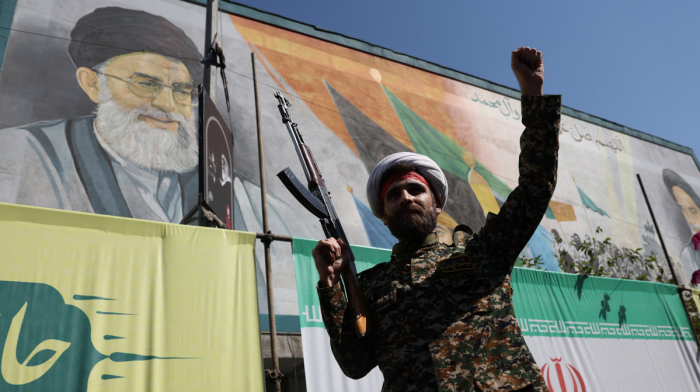
The United States and Iran have agreed to halt strikes against each other, in a potential breakthrough after weeks of escalating tensions. The two sides are expected to meet in Doha on Tuesday to address their dispute over the Strait of Hormuz.
Russian President Vladimir Putin has said the country is going through a “difficult period”, but has learned much from it, according to state news agency TASS.
Days after Beijing imposed fresh restrictions on 56 U.S. companies, China's Ministry of Commerce said it remained committed to pursuing tariff cuts and mutually beneficial cooperation with Washington.
Keiko Fujimori has emerged ahead in Peru's presidential run-off after electoral authorities completed the final vote count, bringing weeks of uncertainty closer to an end.
Start your day informed with the AnewZ Morning Brief. Here are the top stories for 30 June, covering the latest developments you need to know.
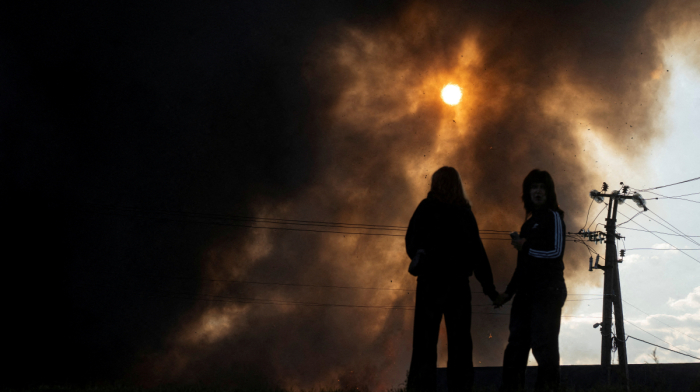
Russian attacks on three major Ukrainian cities killed 10 people and wounded dozens on Monday, authorities said, with strikes continuing into the afternoon as the death toll climbed.
U.S. President Donald Trump has temporarily suspended certain duties on phosphate fertiliser imports from Morocco, as American farmers face supply shortages linked to recent conflict in the Middle East.
You can download the AnewZ application from Play Store and the App Store.
What is your opinion on this topic?
Leave the first comment