




11:16 CET
Nuclear security
Georgia arrests man over attempted $700,000 uranium sale
Georgia has detained a man ...
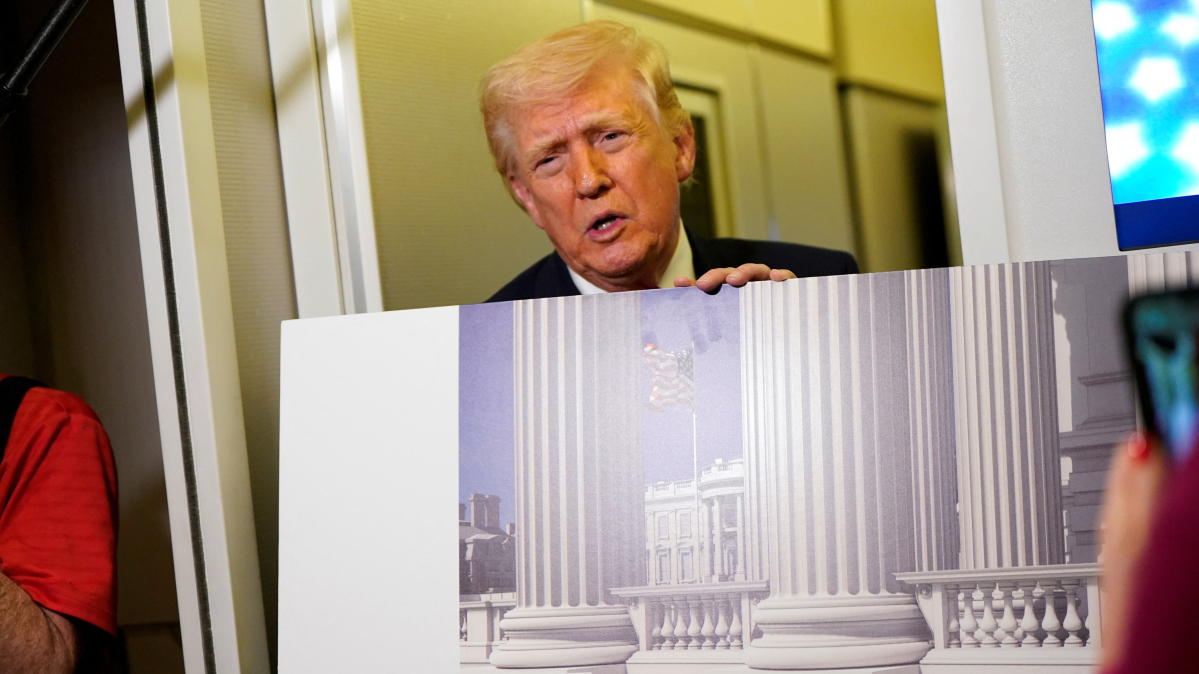


A U.S. judge has blocked President Donald Trump from moving ahead with plans to build a $400 million ballroom on the site of the demolished East Wing of the White House, pausing one of the most high-profile efforts to reshape the presidential complex.
U.S. District Judge Richard Leon in Washington granted a preliminary injunction sought by the National Trust for Historic Preservation, which argues that Trump overstepped his authority by tearing down the historic structure and launching construction without congressional approval.
The ruling by a judge appointed by former President George W. Bush keeps the planned 90,000-square-foot ballroom on hold while the case proceeds.
Trump has promoted the project as a signature addition to the White House and a lasting symbol of his presidency.
The decision represents a setback for the Justice Department, which opposed the injunction and has defended the project as a permissible upgrade to modernise the White House grounds.
The National Trust filed its lawsuit in December after the administration demolished the East Wing, originally built in 1902 and later expanded during the presidency of Franklin D. Roosevelt to make way for what Trump has described as the “finest” ballroom in the country.
The group contends that neither the president nor the National Park Service, which oversees the White House grounds, had the authority to remove the historic building or construct a major new facility without explicit approval from Congress.
During a hearing on 17 March, Judge Leon questioned government lawyers over what he described as shifting legal arguments about presidential authority, calling the White House grounds a “special place” and an “iconic symbol” of the nation.
The Trump administration has argued that the ballroom would modernise infrastructure, improve security and reduce reliance on temporary outdoor structures used for large events.
Officials have also stressed that the project is being funded entirely by private donors, a point Trump has repeatedly highlighted.
In February, a panel of the U.S. Commission of Fine Arts, made up entirely of Trump appointees, voted unanimously (6-0) to approve the design.
The ballroom forms part of a broader push by Trump to reshape Washington’s monumental core, including proposals for a 250-foot arch and changes to the John F. Kennedy Center for the Performing Arts, a major cultural landmark.
The White House itself has also been floated as a potential venue for major public events, with reports of a proposed UFC White House event card featuring fighters such as Ilia Topuria and Justin Gaethje, alongside Alex Pereira and Ciryl Gane, signalling a broader effort to reimagine how the presidential grounds are used, even as legal challenges to physical changes continue.

Georgia has detained a man ...
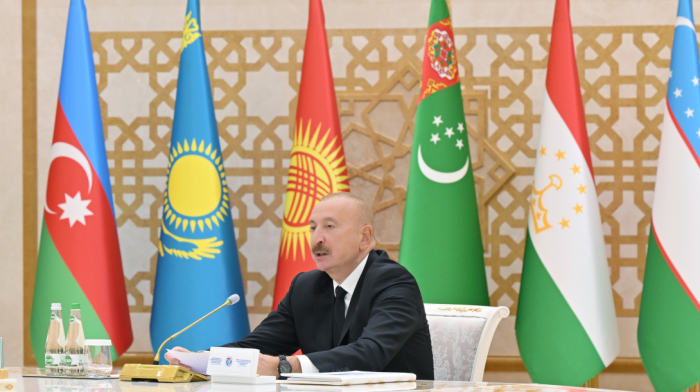
Azerbaijan and the five Central Asian states have signed two key documents at the 8th Consultative Meeting of Heads of State in Turkmenbashi, forma...
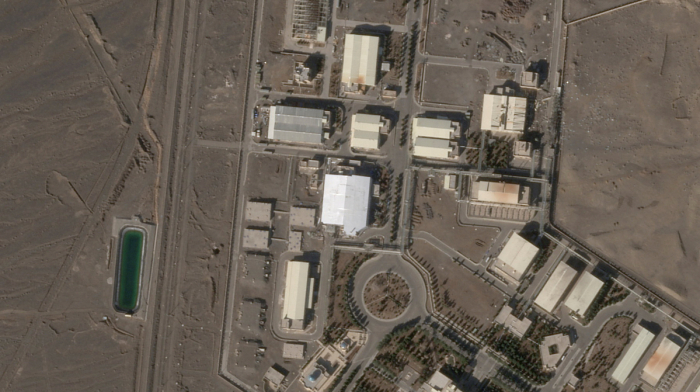
U.S. Vice President JD Vance told Reuters on Monday (5 October) that ...


Russia's health watchdog said on Tuesday that no cases of plague had been detected among anyone who had come into contact with a Siberian plague institute laboratory worker who died last week, and locals said their lives had barely been disrupted.
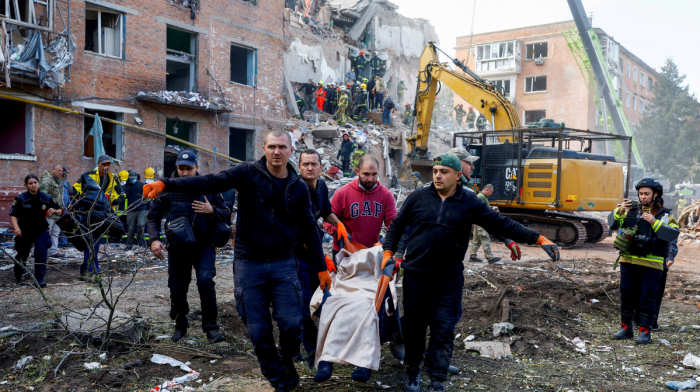
Russia struck Ukraine overnight in one of the biggest attacks of the conflict, killing at least 19 people, Kyiv's Foreign Ministry said on Wednesday. Around 70 missiles were fired at Ukraine during the attack, as well as drones, the Ministry said.
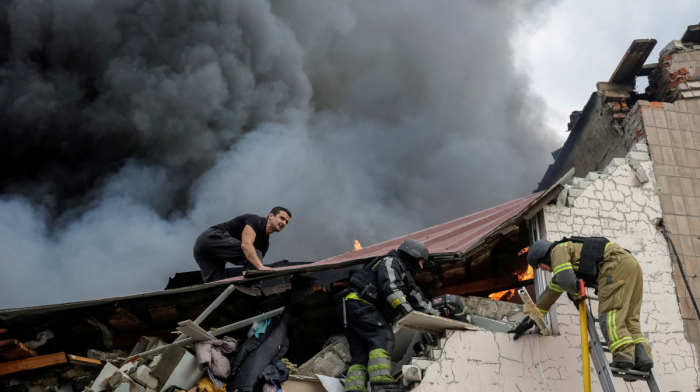
A large Ukrainian drone attack on Moscow and the surrounding region has killed two people, damaged homes and sparked a major fire at a key fuel facility, according to Russian officials and military bloggers.
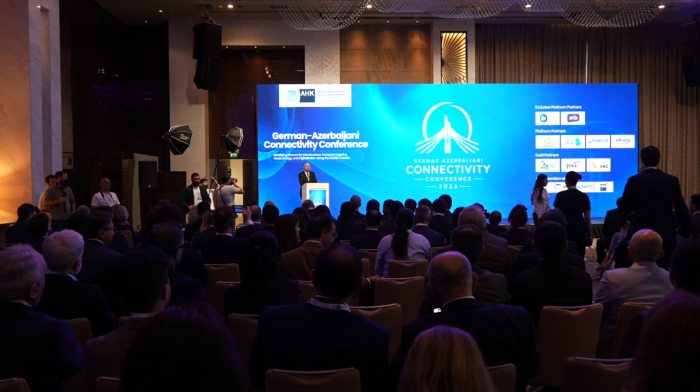
The German-Azerbaijani Connectivity Conference 2026 commenced on 6 October in Baku under the title “Mobilising Finance for Infrastructure, Transport, Logistics, Green Energy, and Digitalisation along the Middle Corridor.”

The Saudi-led coalition says it has carried out a series of military operations against Houthi targets in Yemen after attacks on two Saudi airports left three people dead and dozens injured.
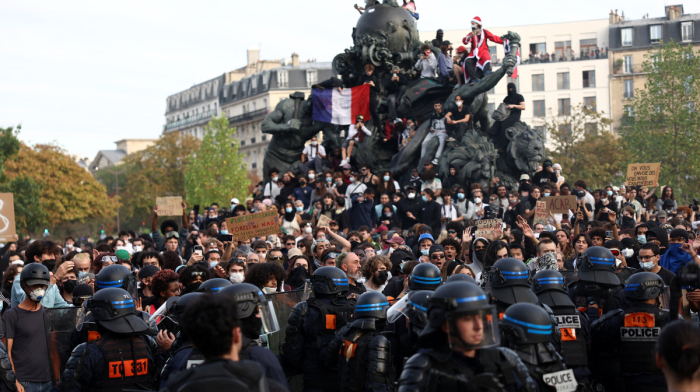
It started with classrooms. Too many students, not enough teachers, deteriorating buildings and growing anxiety over what comes after high school. But within weeks, a movement that began outside French lycées had spread across the country.

Iran says it will deliver its response to recent U.S. proposals through intermediaries, underscoring that communication between the two countries continues indirectly alongside ongoing diplomatic efforts to reduce tensions.

International cooperation, lunar exploration and the growing role of artificial intelligence dominated the third day of a major astronautical conference now underway in Antalya.
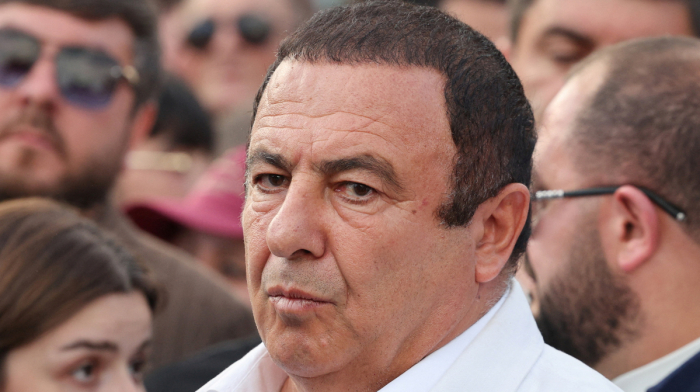
Armenian authorities have frozen a wide range of assets belonging to billionaire businessman and opposition politician Gagik Tsarukyan as part of proceedings linked to the confiscation of property allegedly acquired illegally.

Azerbaijan has sent another batch of humanitarian aid to Ukraine, consisting of electrical equipment vital for restoring the country’s energy infrastructure and preparing for the winter season.
You can download the AnewZ application from Play Store and the App Store.




What is your opinion on this topic?
Leave the first comment