U.S. missile strike on suspected drug boat in Eastern Pacific kills two
Two men were killed after the United States carried out a missile strike on a suspected drug-trafficking boat in the eastern Pacific Ocean on Frida...
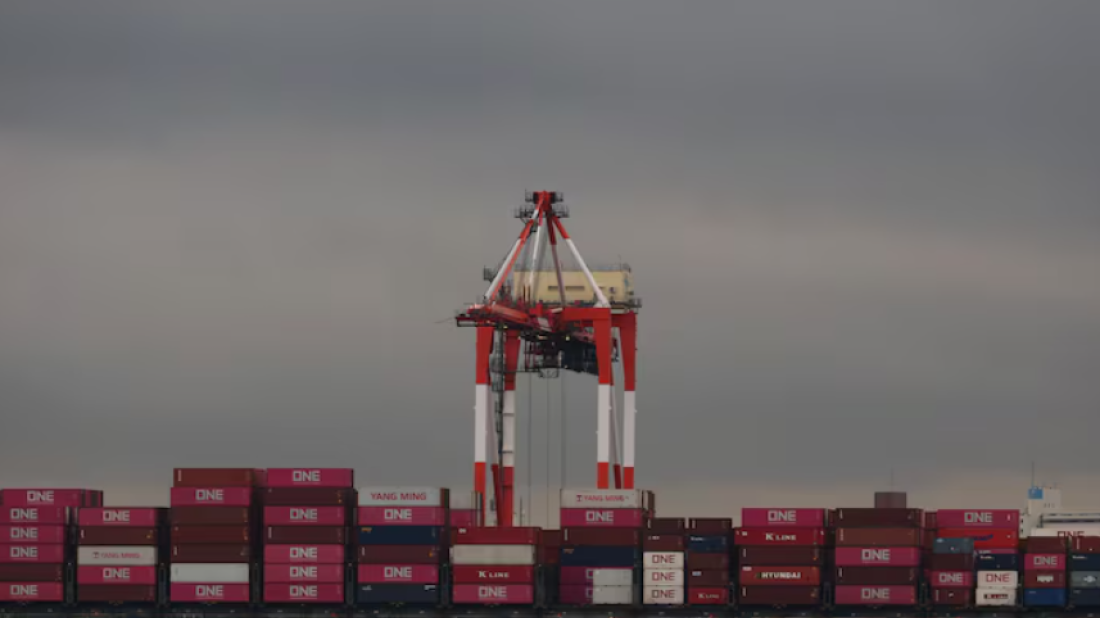
Japanese Prime Minister Shigeru Ishiba has issued his strongest warning yet about the risks U.S. tariffs pose to the global economy, calling for mutual understanding and cooperation ahead of upcoming trade talks with Washington.
Japanese Prime Minister Shigeru Ishiba said on Monday that U.S. tariffs have the potential to disrupt the global economic order, issuing his strongest warning to date about the damage President Donald Trump's decisions could inflict on the world economy.
But he stressed that Japan will seek common ground with the United States on how the two countries can cooperate on issues ranging from trade and national security.
"In negotiating with the United States, we need to understand what's behind Trump's argument both in terms of the logic and the emotional elements behind his views," Ishiba told parliament.
"I am fully aware that what's happened so far has the potential to disrupt the global economic order," he said.
Ishiba also said the government is not thinking of issuing a supplementary budget now but stood ready to act in a timely fashion to cushion the economic blow from U.S. tariffs.
The remarks come ahead of the start of bilateral trade talks on Thursday that are expected to cover themes ranging from tariffs and non-tariff barriers to exchange rates.
In the latest back-and-forth on tariff pronouncements, Trump said on Sunday that he would be announcing the tariff rate on imported semiconductors over the next week.
Economy Minister Ryosei Akazawa, Japan's top negotiator on trade talks with the United States, said any discussion on currency rates will be held between Japanese Finance Minister Katsunobu Kato and U.S. Treasury Secretary Scott Bessent.
"Both countries share the view that excessive market volatility would have adverse effects on the economy," Kato told the same parliament session.

Two local trains collided head-on north of Copenhagen on Thursday (23 April), injuring 17 people, five of them critically, according to emergency services.
The U.S. military is redirecting at least three Iranian-flagged tankers after intercepting them in Asian waters near India, Malaysia and Sri Lanka, shipping and security sources said on Wednesday. Meanwhile, Tehran said U.S. breaches, blockades and threats are undermining “genuine negotiations.”
Diplomatic efforts to end the Iran war are intensifying, with the White House confirming that U.S. President Donald Trump will send special envoy Steve Witkoff and adviser Jared Kushner to Islamabad for talks with Iran under Pakistani mediation.
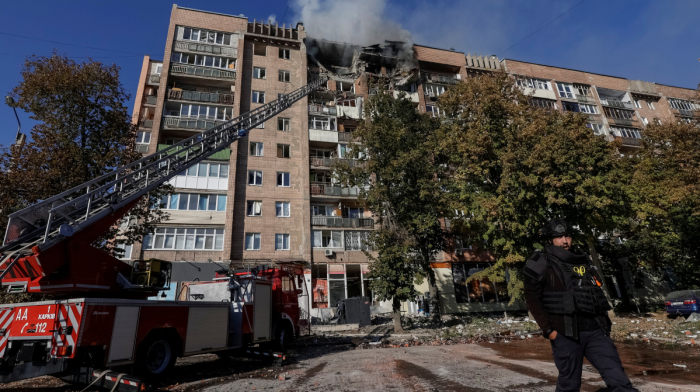
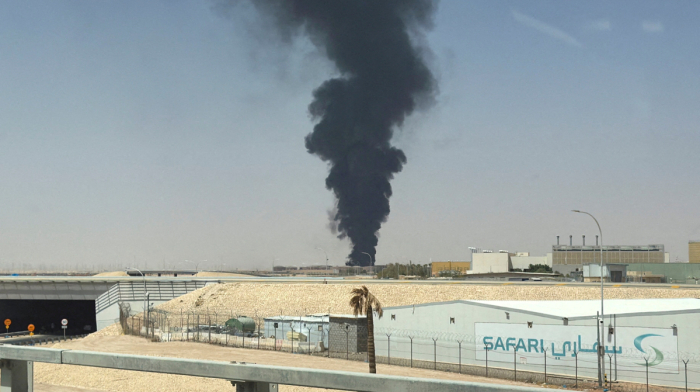
Russian emergency services have contained a major fire at the Tuapse oil refinery on the Black Sea coast, local officials said on Thursday, ending a four-day effort after a Ukrainian drone strike.
Slovenia’s national broadcaster RTV Slovenia has confirmed it will not air the Eurovision Song Contest 2026, joining a widening boycott over Israel’s participation.
Two men were killed after the United States carried out a missile strike on a suspected drug-trafficking boat in the eastern Pacific Ocean on Friday (24 April), the military said.
Argentina has reiterated its interest in resuming talks with the United Kingdom over the Falkland Islands, a disputed archipelago in the South Atlantic, after reports that an internal Pentagon email suggested reviewing Washington’s support for the UK’s claim amid tensions over the Iran war.
China has urged the European Union to take its concerns seriously over new cybersecurity and digital regulations, warning they could create difficulties for Chinese companies operating in Europe.
Russia and Ukraine have swapped prisoners of war, according to officials on both sides. Ukraine’s President Volodymyr Zelenskyy said 193 prisoners, including soldiers and border guards, had been returned from Russia, some injured and facing criminal charges.
Türkiye and the United Kingdom on Thursday signed a wide-ranging strategic partnership agreement to boost bilateral cooperation, especially in defence. The deal, signed in London, signals a “new era” in relations between the two NATO allies.
You can download the AnewZ application from Play Store and the App Store.
What is your opinion on this topic?
Leave the first comment