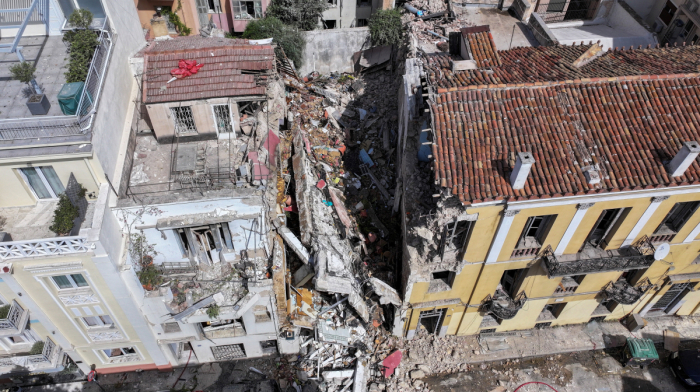
157 bodies recovered after deadly Nepal landslide
At least 157 people have been killed and hundreds are missing after a massive landslide triggered catastrophic flooding near Nepal’...
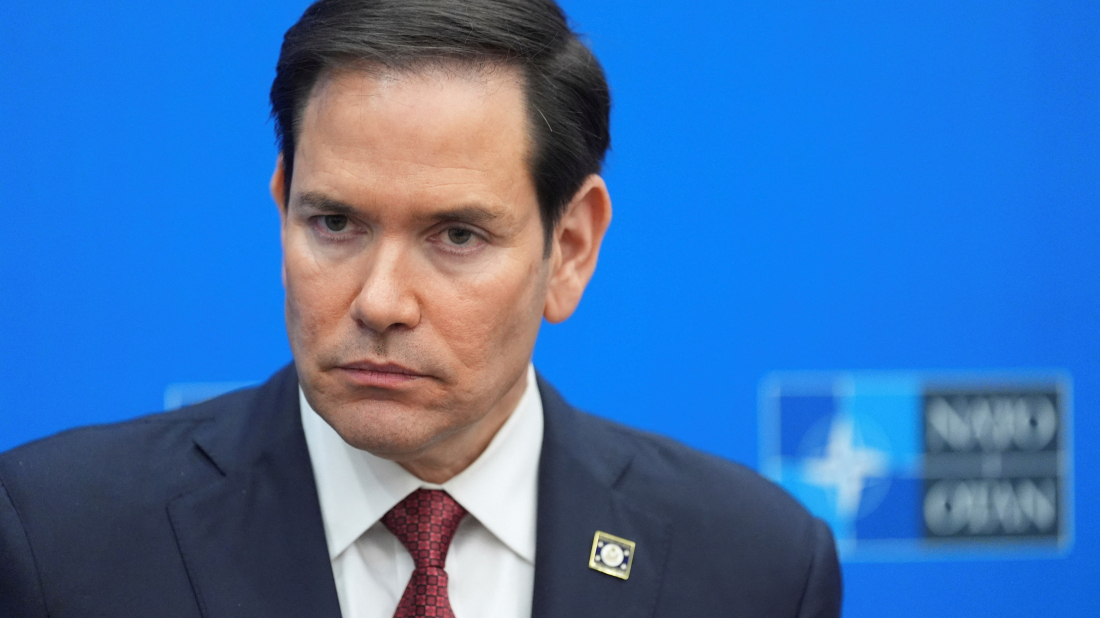
U.S. Secretary of State Marco Rubio held discussions with Pakistani Foreign Minister Ishaq Dar on Monday, focusing on a range of key issues including tariffs, trade relations, immigration, and potential cooperation on critical minerals.
Statements from both the U.S. State Department and Pakistan's foreign ministry outlined the key topics of the conversation.
The call comes amid heightened tensions over President Donald Trump's announcement of a 10% baseline tariff on all U.S. imports, as well as higher duties on certain countries, including Pakistan, which is facing a 29% tariff. The U.S. has been exploring ways to balance trade relations and address reciprocal tariffs, with both sides indicating interest in establishing a more equitable trade partnership.
The U.S. also highlighted the prospects of engaging Pakistan on critical minerals, with Rubio expressing interest in expanding commercial opportunities for U.S. companies in this area. Pakistan’s foreign ministry echoed this sentiment, noting their shared desire to collaborate on trade and investment, particularly in the critical minerals sector, which has become a focal point in global economic and strategic discussions.
In addition to economic concerns, the two leaders also discussed law enforcement cooperation, with Rubio emphasizing the importance of Pakistan's collaboration on addressing illegal immigration. The conversation touched on recent developments, such as Pakistan's cooperation with the U.S. in countering extremism, following the arrest of Mohammad Sharifullah, a suspect in a 2021 attack on U.S. troops in Kabul.
The situation in Afghanistan also featured prominently in the talks, as both sides explored ongoing issues in the region and potential avenues for further cooperation. The discussions reflect growing efforts to engage Pakistan on multiple fronts, balancing trade, security, and regional concerns.

Oil prices fell after the U.S. expanded economic sanctions on Iran, as Tehran vowed to retaliate and warned it had tools to respond, raising concerns over potential disruption to regional oil supplies.
Kyiv has recently received a small number of U.S.-made Patriot interceptors capable of downing Russian ballistic missiles, Ukrainian President Volodymyr Zelenskyy has said. It comes as Britain and France pledged stronger military support for Ukraine.
Secretary of State Marco Rubio told allied foreign ministers Washington will focus on sanctions and other pressure on Iran “for the time being”, Axios reports. Meanwhile, Iran and Oman have resumed talks on a temporary shipping route through the Strait of Hormuz.
At least 157 people have been killed and hundreds are missing after a massive landslide triggered catastrophic flooding near Nepal’s Himalayan border with China’s Tibet region.
Russia and Ukraine have exchanged 10 prisoners of war each in Belarus, Moscow's Human Rights Commissioner, Yana Lantratova, has said.
At least 157 people have been killed and hundreds are missing after a massive landslide triggered catastrophic flooding near Nepal’s Himalayan border with China’s Tibet region.
Russia and Ukraine have exchanged 10 prisoners of war each in Belarus, Moscow's Human Rights Commissioner, Yana Lantratova, has said.
Meta Platforms has agreed to pay up to $16.68 billion and make sweeping changes to Facebook and Instagram to settle claims that its platforms put children and teenagers at risk.
Instagram Chief Adam Mosseri has acknowledged that few teenagers used Instagram’s “Take a Break” feature before it became a default setting, as Meta faces a major U.S. trial over child safety.
Start your day informed with AnewZ Morning Brief. Here are the top news stories for the 26th of August, covering the latest developments.
You can download the AnewZ application from Play Store and the App Store.
What is your opinion on this topic?
Leave the first comment