All eyes on Abu Dhabi as Ukraine talks with Russia and U.S. begin
Ukrainian, U.S. and Russian officials are meeting in Abu Dhabi for their first-ever trilateral talks on the nearly four-year-long war in Ukraine....
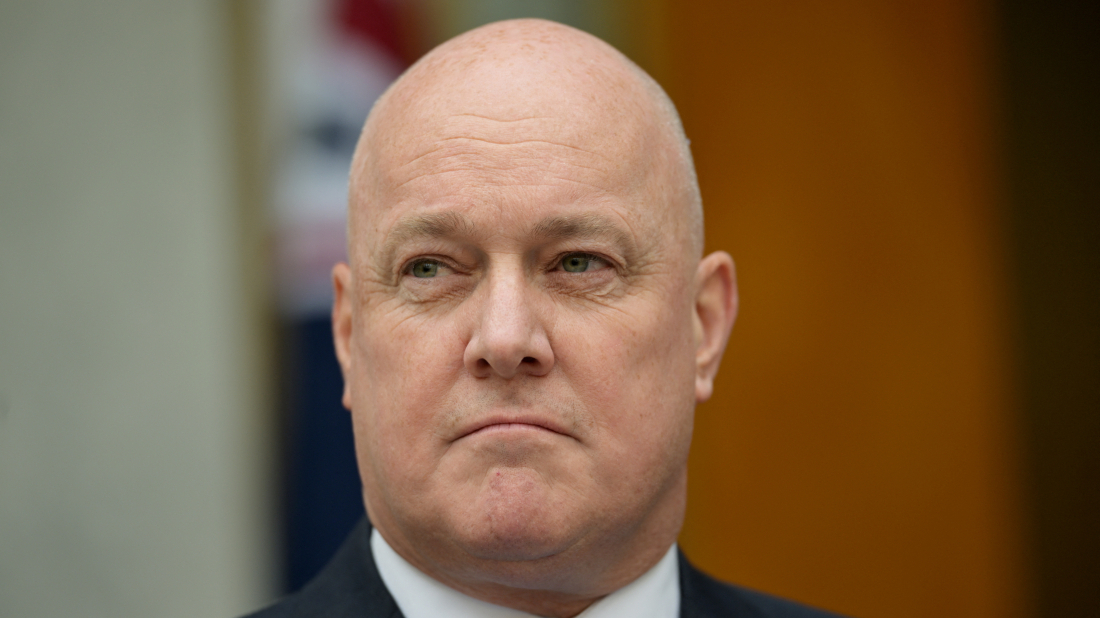
New Zealand has unveiled plans to significantly boost its defence expenditure, aiming to reach 2% of GDP over the next eight years, according to an official announcement on Monday.
Prime Minister Christopher Luxon said the move is essential to ensuring national security in a more unstable global environment.
“We cannot achieve prosperity without ensuring security,” Luxon stated. “Given the increasing global tensions and overseas conflicts, it’s vital for New Zealand to strengthen its role internationally to support trade and job creation at home.”
Defence Minister Judith Collins detailed the new “Defence Capability Plan”, which includes NZ$12 billion in funding over the next four years. Of this, NZ$9 billion (approximately $5 billion) will be newly allocated.
New Zealand’s current GDP stands at around $252 billion. The last time defence spending reached 2% of GDP was in the early 1990s.

President Donald Trump said on Thursday that the United States has an "armada" heading toward Iran but hoped he would not have to use it, as he renewed warnings to Tehran against killing protesters or restarting its nuclear programme.
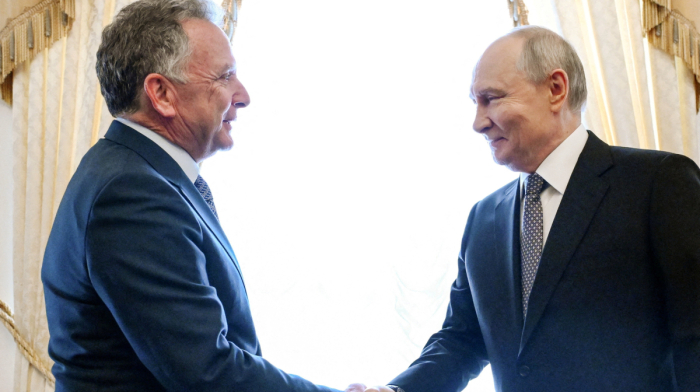
Russian President Vladimir Putin said on Wednesday that Moscow could pay $1 billion from Russian assets frozen abroad to secure permanent membership in President Donald Trump’s proposed ‘Board of Peace’.
A commuter train collided with a construction crane in southeastern Spain on Thursday (22 January), injuring several passengers, days after a high-speed rail disaster in Andalusia killed at least 43 people.
Turkish President Recep Tayyip Erdoğan has told his Iranian counterpart Masoud Pezeshkian that Türkiye opposes any form of foreign intervention in Iran, as protests and economic pressures continue to fuel tensions in the Islamic republic.
President Donald Trump says he has agreed a "framework" for a Greenland deal with NATO.
Tokyo Electric Power Company (TEPCO) has suspended operations at the Kashiwazaki-Kariwa nuclear power plant in Japan, just a day after a reactor was brought back online for the first time in more than a decade.
UK Prime Minister Keir Starmer has accused U.S. President Donald Trump of making “insulting and frankly appalling” remarks about Nato forces in Afghanistan, saying the comments wrongly diminish the sacrifice of British and allied troops and should be followed by an apology.
In the snowy peaks of Davos, where the world’s most powerful leaders gather for the 56th World Economic Forum, a new narrative is emerging that challenges the current dominance of artificial intelligence (AI).
Start your day informed with AnewZ Morning Brief: here are the top news stories for the 23th of January, covering the latest developments you need to know.
The United States officially left the World Health Organization on 22 January, triggering a financial and operational crisis at the United Nations health agency. The move follows a year of warnings from global health experts that a U.S. exit could undermine public health at home and abroad.
You can download the AnewZ application from Play Store and the App Store.
What is your opinion on this topic?
Leave the first comment