Russia and Ukraine exchange deadly strikes as aerial attacks intensify
At least six people have been killed in Russian attacks across Ukraine, while Moscow has reported two deaths in Russian-controlled territory, as bo...
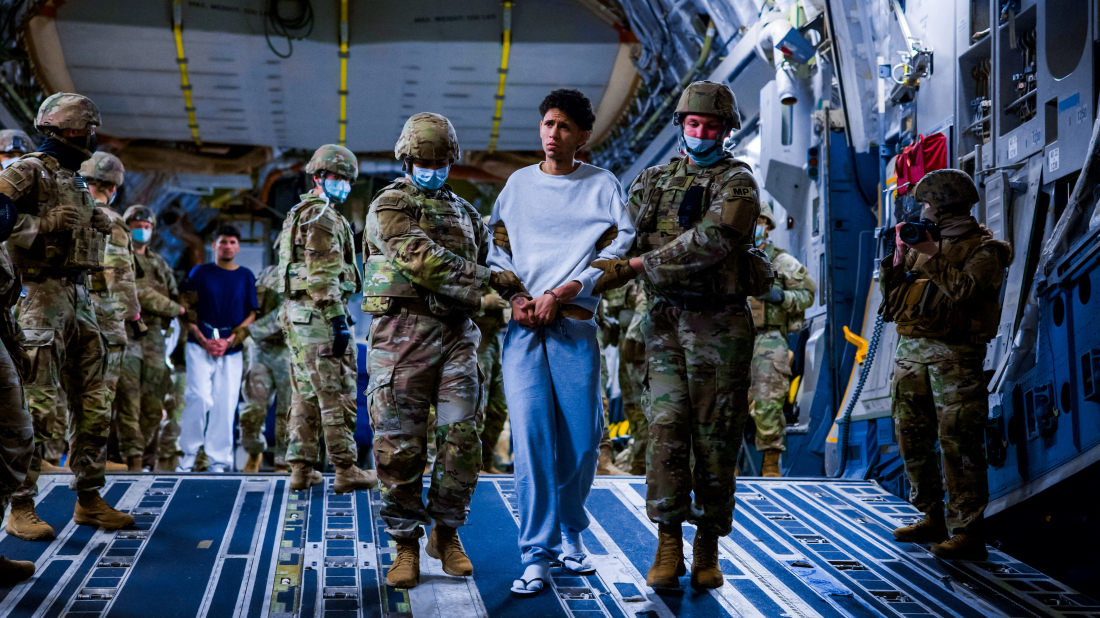
The Trump administration deported 17 alleged violent criminals tied to the Venezuelan gang Tren de Aragua and MS-13 to El Salvador over the weekend, the U.S. State Department announced on Monday.
The deportations were conducted by the U.S. military on Sunday night, with U.S. Secretary of State Marco Rubio stating that the individuals included murderers and rapists.
President Donald Trump invoked the Alien Enemies Act of 1798 on March 15 to target alleged members of Tren de Aragua, a rarely used wartime law intended to address foreign threats. However, a federal judge temporarily blocked the policy following a legal challenge by the American Civil Liberties Union (ACLU), which argued that the process used to identify gang members was flawed.
Despite the court order, the Trump administration may still use standard immigration processes for removals. The administration has asked the U.S. Supreme Court to lift the ban after a federal appeals court left the policy blocked last week.
The ACLU raised concerns about the Alien Enemies Validation Guide, a checklist reportedly used by U.S. immigration agents to determine gang membership. The guide includes factors such as prior criminal convictions, self-professed membership, and phone calls about gang activity. However, it also includes less reliable indicators such as tattoos, clothing, and hand gestures.
White House press secretary Karoline Leavitt defended the administration’s methodology, stating, “There is a litany of criteria that they use to ensure that these individuals qualify as foreign terrorists and to ensure that they qualify for deportation.”
According to a list published by a Fox News reporter and confirmed by the White House, 12 of the 16 deportees had criminal convictions, one admitted to gang membership, and three were facing charges.
The deportations have sparked further debate about the legitimacy of the administration’s tactics and the legal framework used to enforce them.

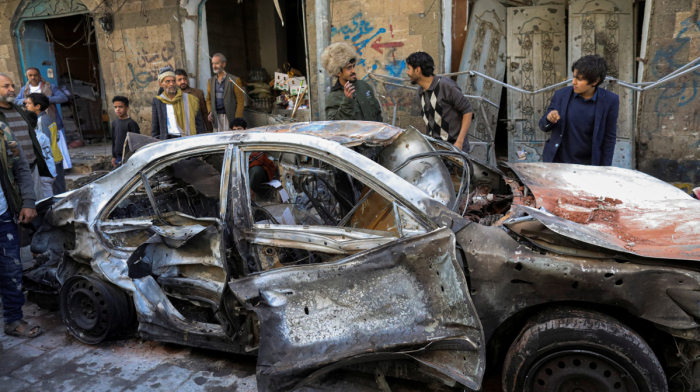
A drone strike on Yemen's Houthi-held capital Sanaa injured 15 people, Houthi news agency Saba reported on Saturday (28 November). The attack by Saudi forces damaged eight homes and three shops in the neighbourhood of Bir Abu Shamlah in Al-Tahrir district, Saba said.
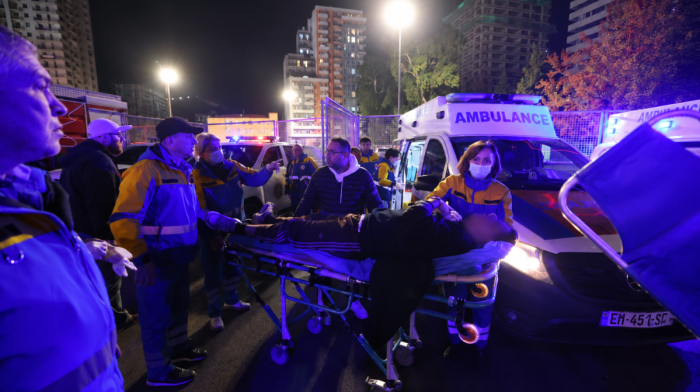
UEFA has launched an investigation into clashes between Beşiktaş J.K fans and Georgian police that briefly halted the Turkish side’s Europa League match against Israel’s Hapoel Be'er Sheva F.C on Thursday (26 November).
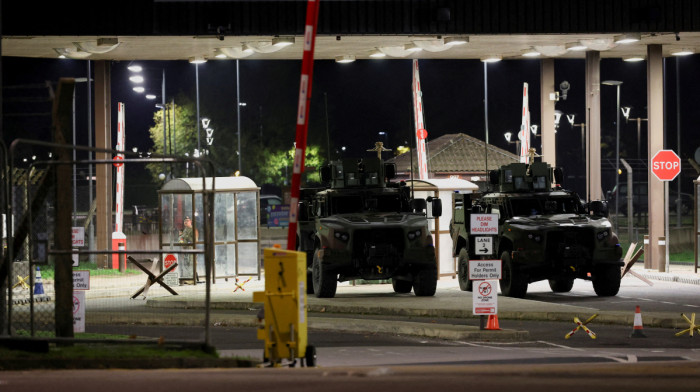
U.S. forces repelled half a dozen drones that swarmed a UK airbase earlier in November in an incident suspected to be linked to Iran, the Financial Times reported on Saturday 28 November, citing people familiar with the matter.
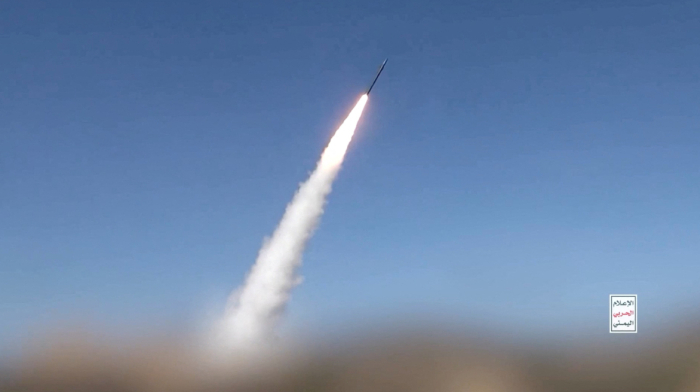
The Saudi-led coalition said on Sunday (29 November) it intercepted and destroyed three ballistic missiles launched by Yemen’s Houthis towards Saudi Arabia’s capital, Riyadh, and the oil-rich Eastern Province.
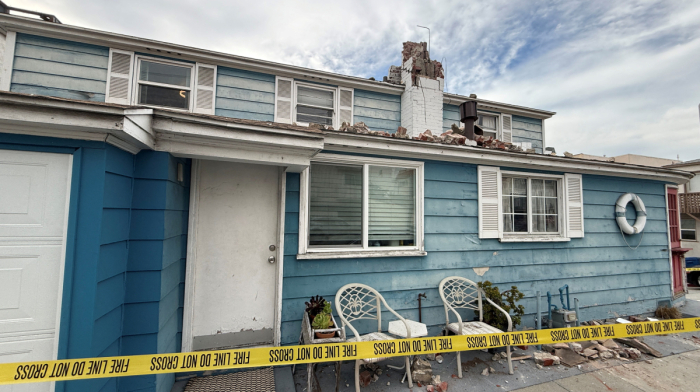
A magnitude 5.0 earthquake struck off the coast of Southern California on Saturday (28 November), triggering a series of aftershocks and emergency inspections across Los Angeles.
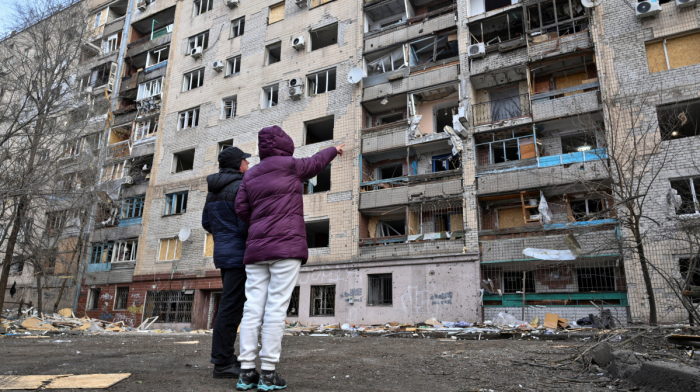
At least six people have been killed in Russian attacks across Ukraine, while Moscow has reported two deaths in Russian-controlled territory, as both sides intensified aerial strikes despite ongoing U.S.-mediated peace negotiations.
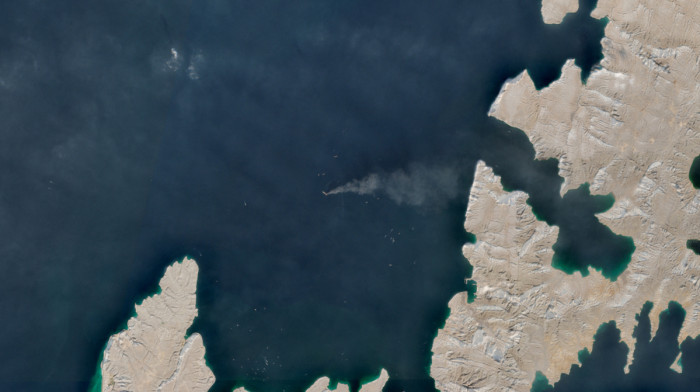
Two oil tankers struck naval mines and caught fire in the Strait of Hormuz on Sunday, 29 November, according to Iran's Islamic Revolutionary Guard Corps (IRGC) Navy, which accused the vessels of violating maritime restrictions.
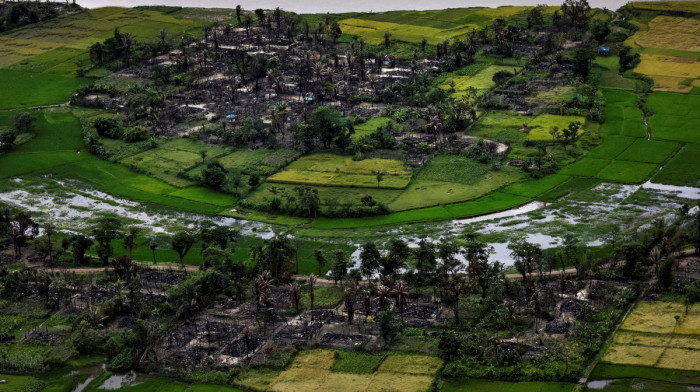
Myanmar military airstrikes and artillery bombardments killed at least 49 people and wounded more than 90 in separate attacks on rebel-held areas in Rakhine and Kayah states on Saturday (28 November), according to local residents and an aid worker.
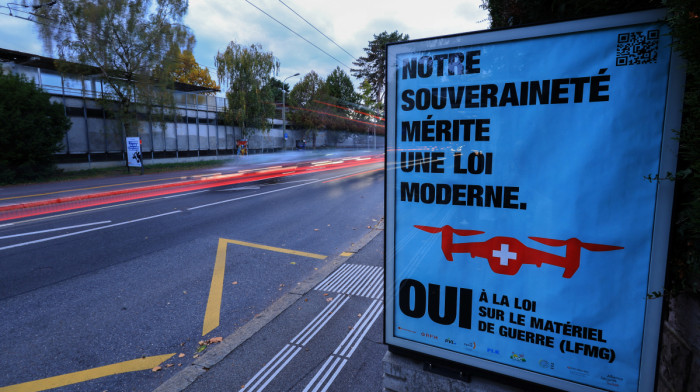
Swiss voters will head to the polls on Sunday to decide whether to ease restrictions on weapons exports, in a referendum that could have significant implications for the country’s traditional neutrality and the future of its defence industry.
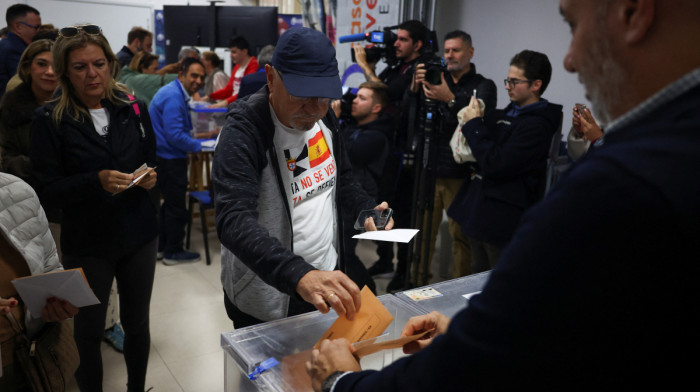
Spaniards began voting on Sunday, (29 November), in an early parliamentary election deciding whether to grant Socialist Prime Minister Pedro Sanchez another term or hand power to conservative opponents who may need far-right support to govern.
You can download the AnewZ application from Play Store and the App Store.
What is your opinion on this topic?
Leave the first comment