live U.S. clears way for $2.7 billion sale of air-defence development upgrades to Ukraine
The U.S. State Department approved a potential $2.7 billion military sale to Ukraine for air-defence develo...
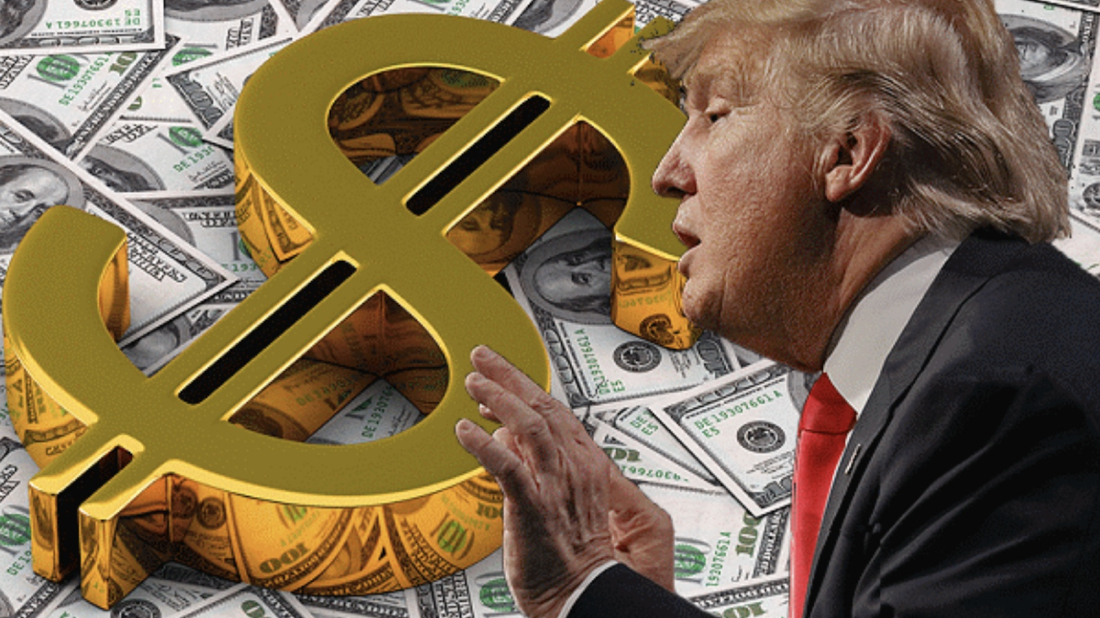
U.S. President Donald Trump has indicated that he is prepared to take a more flexible stance on new tariffs for automobiles and other goods than initially expected.
Previously, the president had announced plans to impose duties on various products, including cars, steel, aluminum, and pharmaceuticals.
"We will announce our decision on cars very soon. Steps have already been taken regarding steel and aluminum. As for pharmaceuticals, we will make an announcement in the near future because we need them. We no longer manufacture pharmaceuticals in our country," Trump stated.
The president also mentioned that some countries might be exempt from these tariffs, though he did not provide specific details. This statement sparked optimism among investors, leading to a rise in U.S. stock markets.
Nevertheless, White House officials emphasized that Trump remains committed to his trade policy and the imposition of strong reciprocal tariffs. According to the administration, these measures will both increase government revenue and create new jobs.
Hyundai to Begin Production in the U.S.
Trump also announced that South Korean automaker Hyundai will invest $21 billion in the U.S. The company plans to start manufacturing cars and steel domestically. According to the president, this investment will allow Hyundai to avoid tariffs:
"If you manufacture your products in America, no tariffs apply," Trump noted.
New Trade Sanctions Against Venezuela
The U.S. president has taken another aggressive step in trade policy, unveiling a new tariff strategy targeting Venezuela. Under the new policy, any country purchasing oil or gas from Venezuela will face a 25% tariff on exports to the U.S.
Trump also criticized the Venezuelan government, alleging that the country has sent "tens of thousands of violent individuals" to the U.S.
In response, Venezuelan authorities condemned the move, calling it "a new act of aggression." Following Trump's announcement, oil prices surged, with U.S. benchmark WTI crude rising by approximately 1% during Monday’s trading session.
Trump’s latest trade policies remain in the spotlight for businesses and investors. In the coming weeks, all eyes will be on how the tariff strategy evolves.

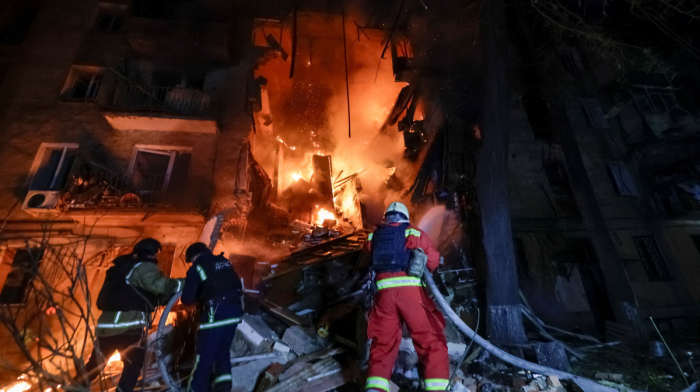
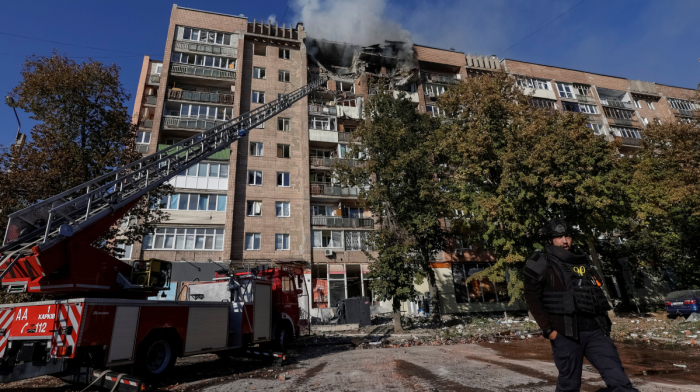
Russian air strikes injured 13 and damaged buildings in the Ukrainian capital of Kyiv and in the Black Sea port city of Odesa in the early hours of Thursday, officials said on the Telegram messaging app.
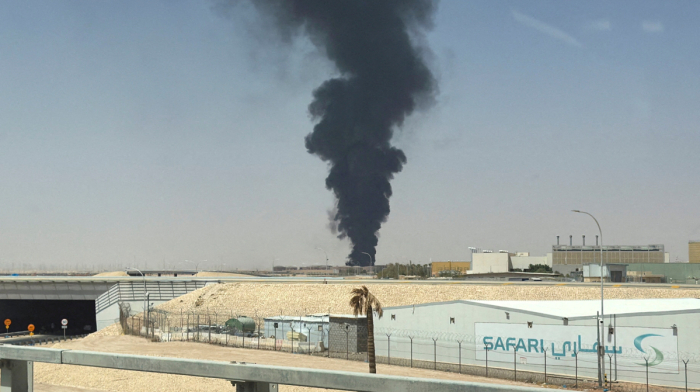
Iran's Revolutionary Guards Navy said a Togo-flagged oil tanker was struck while attempting to make an “illegal passage” through the Strait of Hormuz, Iranian state media said early on Friday.
U.S. President Donald Trump said on Wednesday he hoped the war against Iran was nearing its end and that Tehran wanted to reach a deal, but Iran dismissed his comments as “mixed signals” as the conflict approaches its seventh month.
The European Union will disburse €3.3 billion ($3.8 billion) to Ukraine for missiles and drones, European Commission President Ursula von der Leyen said after a phone call with Ukrainian President Volodymyr Zelenskyy.
Here's your AnewZ Daily Brief for 18 September 2026. These are the top five stories making headlines in the field of science.
The U.S. State Department approved a potential $2.7 billion military sale to Ukraine for air-defence development upgrades, along with related equipment and services, the department said in a congressional notification late on Friday.
U.S. President Donald Trump announced an agreement with Denmark and Greenland on Friday that would significantly expand Washington’s military presence on the Arctic island and give the United States what he described as permanent authority over its security.
The European Union will disburse €3.3 billion ($3.8 billion) to Ukraine for missiles and drones, European Commission President Ursula von der Leyen said after a phone call with Ukrainian President Volodymyr Zelenskyy.
Russia’s first State Duma election since the full-scale invasion of Ukraine is testing the country’s political system as voters choose a new parliament amid wartime and economic pressures.
From Russia’s parliamentary election and Germany’s regional votes to the U.S. midterms, several major elections are taking place in September and November of 2026. Meanwhile, Sweden has already voted, with parties now negotiating to form a new government.
You can download the AnewZ application from Play Store and the App Store.
What is your opinion on this topic?
Leave the first comment