AnewZ Morning Brief - 17 July 2026
Start your day informed with AnewZ Morning Brief. Here are the top news stories for the 17th of July, covering the latest developments you need to kno...
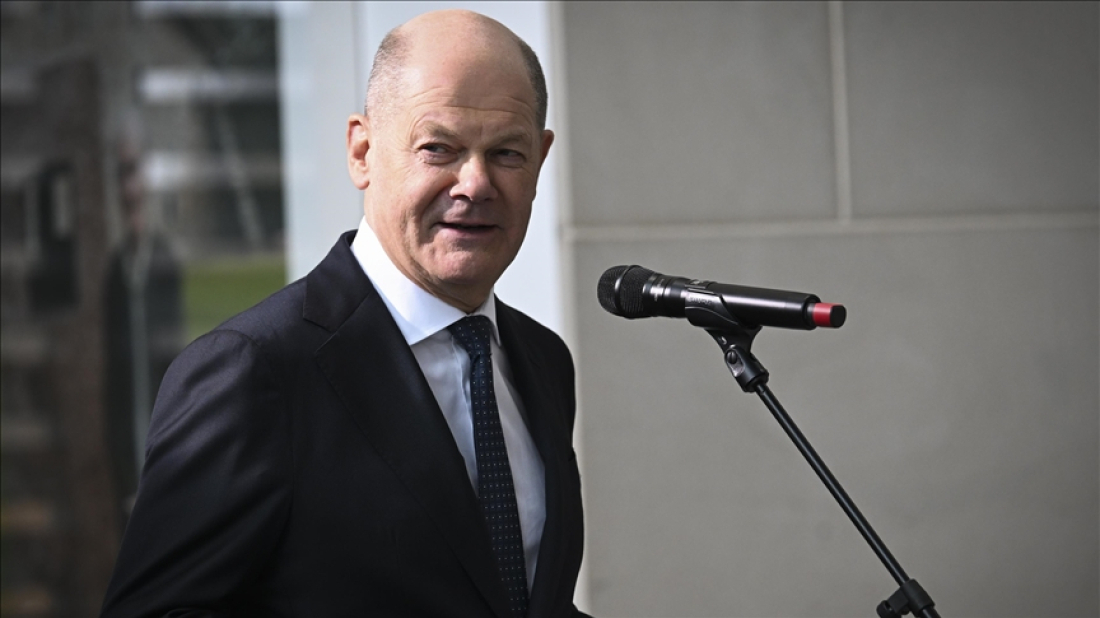
German Chancellor Olaf Scholz has stated that Europe will not support any peace process that excludes Ukraine or calls for its demilitarisation, stressing that Europe’s involvement is crucial for any meaningful negotiations.
German Chancellor Olaf Scholz remarked on Sunday that Europeans will not support any peace process that excludes Kyiv or calls for Ukraine’s demilitarisation.
"Ukraine must remain a democratic, sovereign nation—no decisions can be made over their heads. We as Europeans will not allow that," Scholz stated during a televised debate ahead of the 23 February elections.
Scholz confirmed that European leaders would convene in Paris on Monday to discuss the ongoing Ukraine conflict and respond to the anticipated US-Russia peace talks. He emphasised that Ukraine requires a strong military to defend itself from potential future attacks and firmly rejected Moscow’s demands for Ukraine’s permanent neutrality and disarmament.
The Chancellor highlighted that Europe, as Ukraine’s key supporter, must be part of any peace negotiations. “It won’t work without us. We have provided more support for Ukraine from Europe than the US,” he noted, stressing that any security guarantees should involve European contributions.
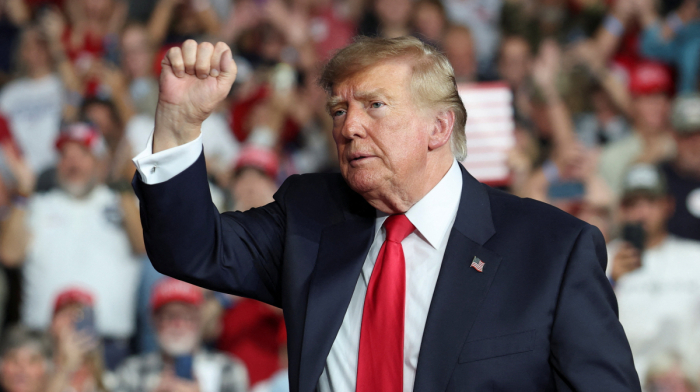
Scholz’s remarks come after US President Donald Trump’s decision to initiate direct peace talks with Russian President Vladimir Putin, leaving European leaders out of the process.
Meanwhile, US Defence Secretary Pete Hegseth informed European counterparts last week that, should troops be deployed to Ukraine under a peace deal, they would not be part of a NATO mission and would be excluded from Article 5 protections. Hegseth also reiterated that no US forces would be sent to Ukraine as part of any security arrangement.

U.S. President Donald Trump announced the reimposition of a U.S. naval blockade on all Iranian ports and warned that power plants and bridges could be targeted next week unless Tehran returns to negotiations.
The U.S. military announced that it has completed a new wave of strikes against Iranian military targets under U.S. President Donald Trump's orders. The operation targeted command centres, air defence systems, missile and drone facilities, and coastal surveillance sites across multiple locations.
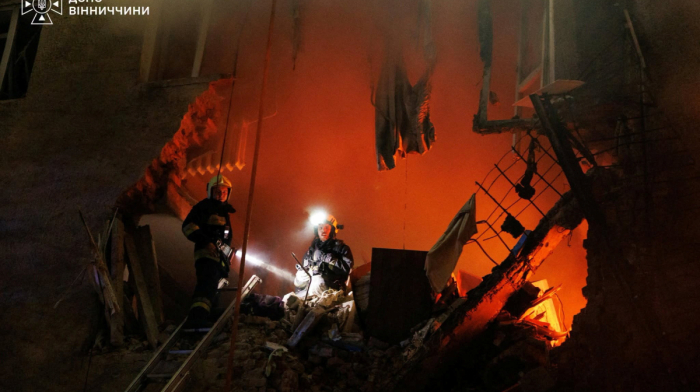
Ukraine and Russia exchanged fresh attacks on Tuesday, with Kyiv targeting shipping and energy infrastructure inside Russia while Moscow launched another large-scale missile and drone assault on Ukrainian cities.
India's investigation into last year's Air India crash that killed 260 people has entered its final stages, with investigators completing a transcript of the cockpit voice recorder and carrying out a psychological autopsy as they work towards a final report.
Russia's government is prioritising fuel supplies for vehicles delivering food to major retail chains as the country grapples with nationwide fuel shortages caused by repeated Ukrainian drone attacks on its energy infrastructure.
Start your day informed with AnewZ Morning Brief. Here are the top news stories for the 17th of July, covering the latest developments you need to know.
Ukrainian President Volodymyr Zelenskyy has nominated the acting head of the Security Service of Ukraine, Yevhenii Khmara, to serve as acting defence minister. It follows rare protests across Ukraine on Thursday after Zelenskyy dismissed Defence Minister Mykhailo Fedorov in a government reshuffle.
In a prime-time speech on Thursday, President Donald Trump renewed his claims on the integrity of the 2020 elections, alleging fraud and foreign interference while exposing weaknesses in the country's election system. Here are five takeaways from his speech.
U.S. President Donald Trump announced the immediate declassification of intelligence related to the 2020 presidential election on Thursday, alleging that China carried out what he described as the largest compromise of election data in U.S. history.
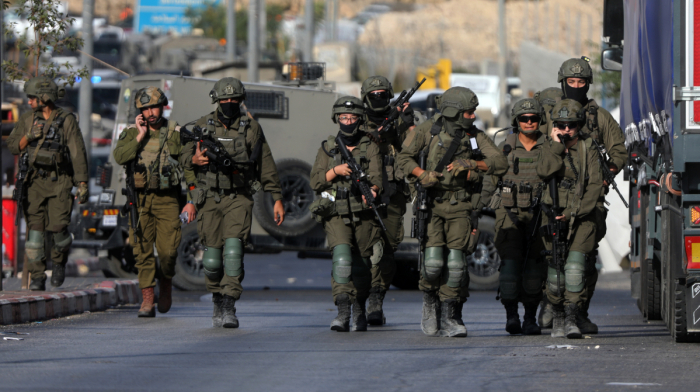
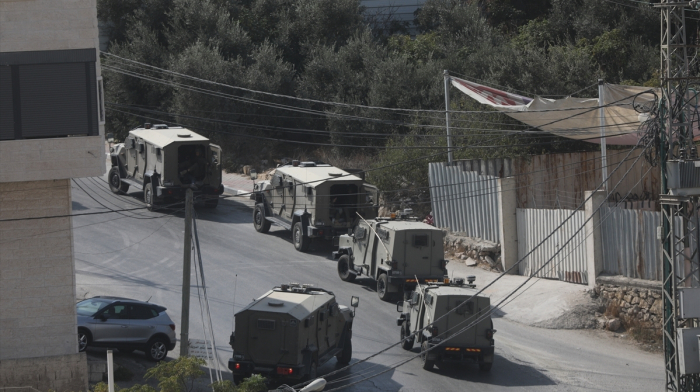
The Israeli army has begun setting up a new line of permanent military posts in southern Lebanon, according to a report by Israeli newspaper Maariv, a move that could complicate ongoing efforts to implement a US-backed withdrawal framework.
You can download the AnewZ application from Play Store and the App Store.
What is your opinion on this topic?
Leave the first comment