



18:20 CET
Gaza war
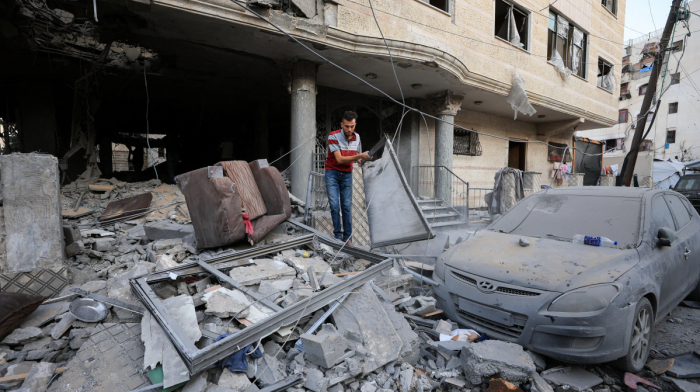
Israeli strike kills five in Gaza, including four women, health officials say
An Israeli air...
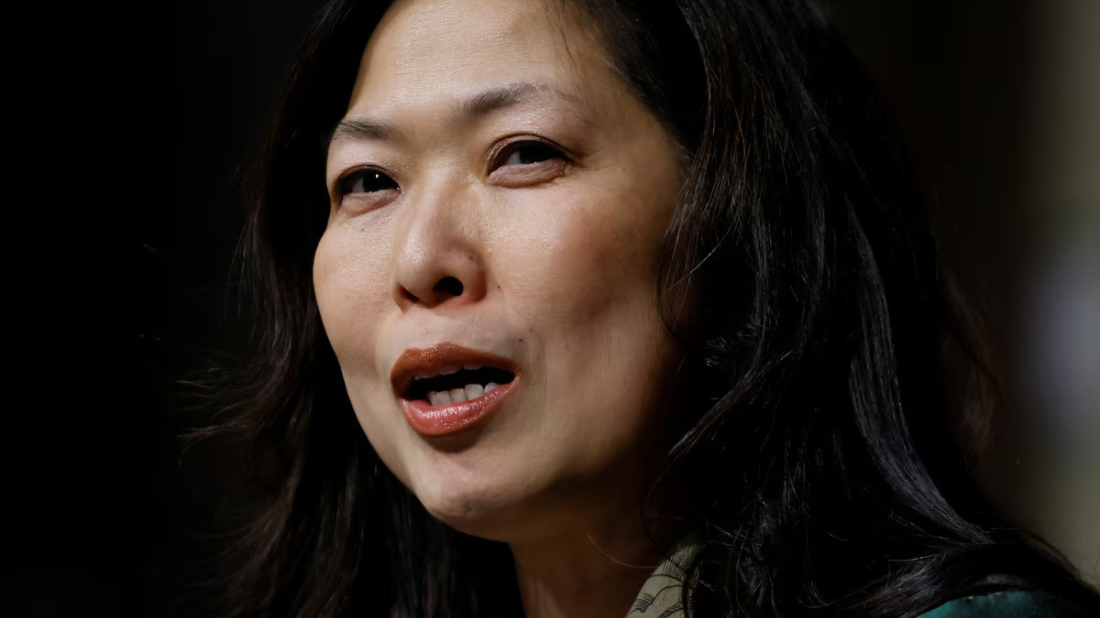


Canada's Minister of International Trade, Export Promotion, Small Business and Economic Development Mary Ng
Canada wants to deepen its economic ties with the EU and uphold global trading rules in the face of threatened U.S. tariffs, its trade minister Mary Ng told Reuters on Saturday.
The EU and Canada have benefited from a free trade agreement since 2017, which has boosted bilateral trade by 65%, and set up a raw materials partnership in 2021.
Ng met EU trade chief Maros Sefcovic for a lunch on Saturday following a meeting with Ngozi Okonjo-Iweala, the director general of the World Trade Organization in Geneva on Friday.
"Trade agreements are one thing, and we have seen really great numbers, but what more can we be doing to help Canadian businesses enter into any of the 27 member states...and what more can we do to the same in Canada" Ng said.
She said critical minerals and smaller businesses would be among the focus areas with the EU. The EU, in particular, is keen to forge partnerships to secure metals that are key for the energy transition - cobalt, lithium and nickel - to reduce its dependence on China.
Canada is also pushing to diversify its exports and set itself a target in 2018 of increasing non-U.S. exports by 50% by 2025. Ng said the country was on track to meet or exceed the target.
Canada struck trade deals with Indonesia in December and Ecuador last week and is pushing hard in the Indo-Pacific region. The minister is leading a delegation including more than 200 businesses to Australia, Singapore and Brunei next week.
"We are at the table with the countries in Southeast Asia, so the Association of Southeast Asian Nations. I took a very large delegation of Canadian businesses to the Philippines in December, to Indonesia, to markets like Vietnam, Malaysia, Japan, Korea," Ng added.
Ottawa threatened retaliatory duties and legal action against the United States after President Donald Trump announced tariffs on Canada and Mexico a week ago and before he paused their imposition for 30 days. Ng said Canada could challenge Washington at the WTO if tariffs were imposed.
"We would consider all of the options are available to Canada because Canada is a country that believes in a rules-based trading system," Ng said.

An Israeli air...
The co-...
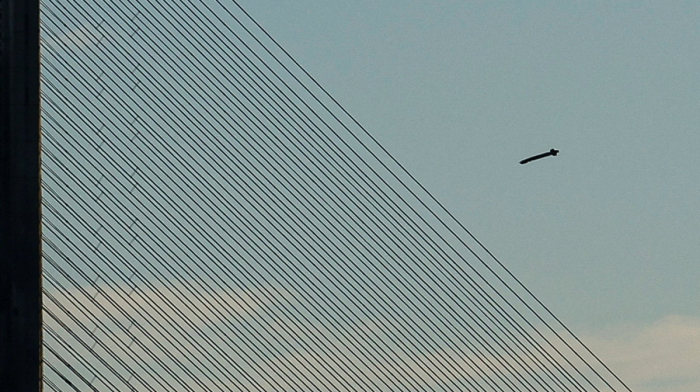
A major bridge across the Dnipro river in Kyiv was hit in a Russian air attack on Saturday, the city's mayor, Vitali Klitschko said, as strikes...

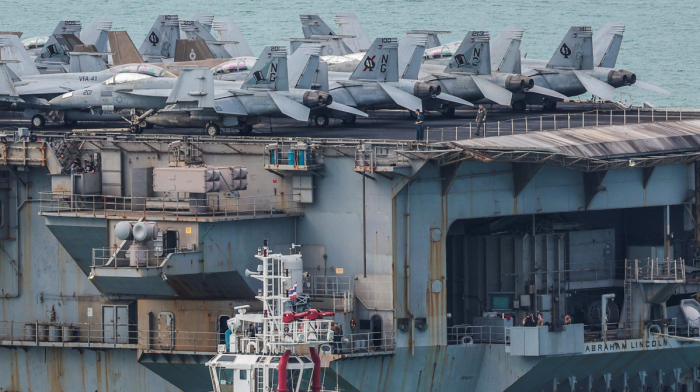
Yemen's air force carried out 20 strikes on Houthi targets earlier on Friday, Brigadier General Majid Abdullah Al-Nuzaili, Spokesman for the Yemeni Armed Forces, said. Meanwhile, the Iran-backed Houthis denied targeting a power plant supplying energy to a mosque in Medina, Saudi Arabia.
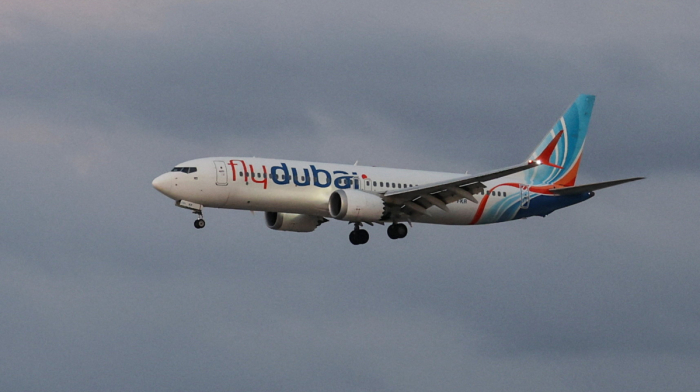
Hammam al-Hammami, the Flydubai co-pilot accused of stabbing the captain of an Israel-bound flight on Wednesday in a suspected terrorist attack, was banned from flying by Oman over concerns about his radical views, U.S. media reported on Friday, citing people familiar with the matter.
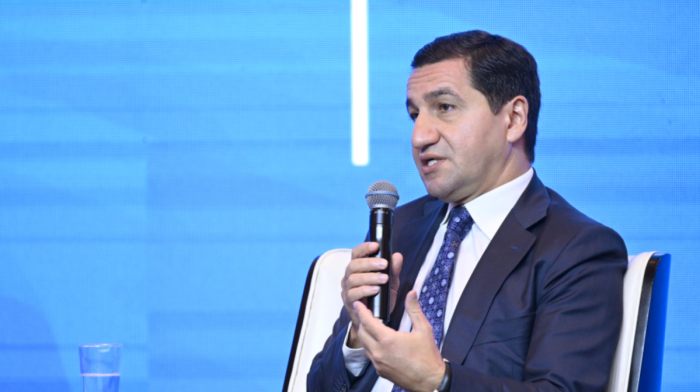
Azerbaijan and Armenia will sign a final peace agreement once Armenia amends its constitution to remove territorial claims against Azerbaijan, Hikmat Hajiyev, Assistant to Azerbaijan’s President Ilham Aliyev, has said.
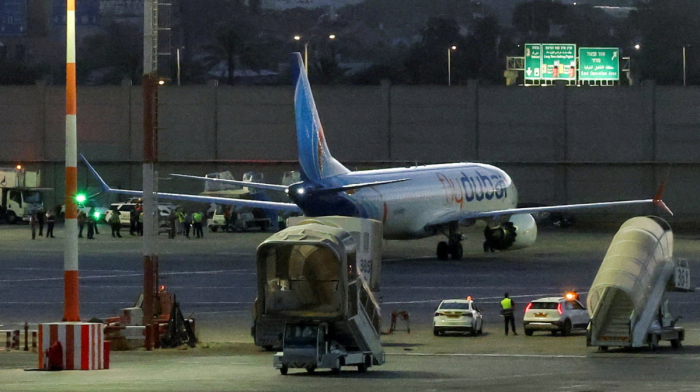
The co-pilot of Israel bound flydubai flight attempted to carry out a “terrorist attack” with an axe during the flight, the United Arab Emirates prosecutor general said on Saturday.
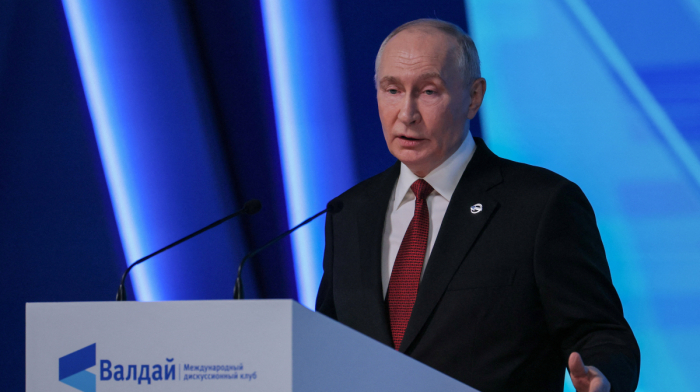
Russian President Vladimir Putin said on Thursday that Moscow wanted to end the war in Ukraine through negotiations as soon as possible, while insisting that any settlement must meet conditions acceptable to Russia and include security guarantees.
A major bridge across the Dnipro river in Kyiv was hit in a Russian air attack on Saturday, the city's mayor, Vitali Klitschko said, as strikes on the capital's infrastructure continue.
Hammam al-Hammami, the Flydubai co-pilot accused of stabbing the captain of an Israel-bound flight on Wednesday in a suspected terrorist attack, was banned from flying by Oman over concerns about his radical views, U.S. media reported on Friday, citing people familiar with the matter.
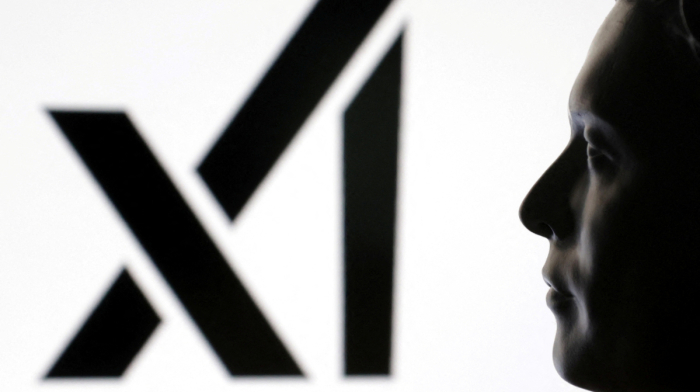
A U.S. federal appeals court has temporarily halted Minnesota’s ban on AI-generated fake nude images after Elon Musk’s xAI challenged the law as unconstitutional.
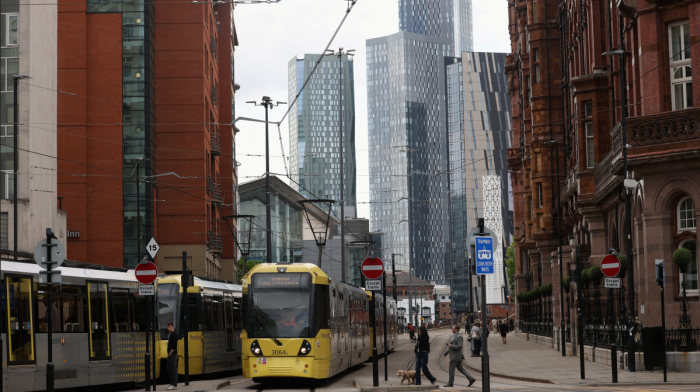
Two Iranian nationals have been charged in Britain with preparing a suspected terrorist attack targeting the Jewish community in northern England, police said on Friday (2 October).
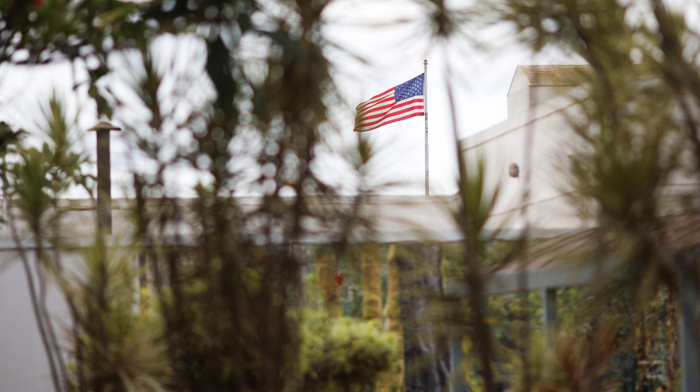
The United States suspended consular services at its embassy and consulates in Brazil on Friday over unspecified security concerns, prompting Australia to close its embassy in Brasília two days before the country's presidential election.
You can download the AnewZ application from Play Store and the App Store.




What is your opinion on this topic?
Leave the first comment