



14:38 CET
U.S.-Iran
live Iranian FM says Saudi talks continue as Yemen fighting intensifies
Iran and...



Here's your AnewZ Daily Brief for 3 November, covering five developments in technology, from major cyberattacks and data breaches to advances in military AI and Europe's transition to digital communications.
Supermarkets across Europe have reported suspected cyberattacks targeting their refrigeration systems, causing temperatures to rise and forcing some stores to dispose of spoiled food.
Around 75 locations in Belgium were reportedly affected, alongside stores in Sweden, Ireland, Estonia, the Netherlands and Finland. Belgium's federal prosecutor's office has opened an investigation.
The incidents follow a similar attack on hundreds of French supermarkets in October. Refrigeration suppliers say outdated software may have left some systems vulnerable.
Hong Kong airline Cathay Pacific says around 53,000 bookings were affected by a security breach at Spanish travel technology provider Amadeus.
The breach, discovered on 28 October, exposed passenger names, booking references and flight details. Some additional personal information was also compromised, although Cathay Pacific says there is no evidence that payment information was accessed.
Japan Airlines and South Korea's Asiana Airlines have also reported customer data breaches linked to Amadeus. Investigations are continuing.
The United Kingdom and Germany have announced plans to jointly test and develop artificial intelligence for military use, expanding their existing Cyber Lighthouse cybersecurity partnership.
British Defence Secretary Wes Streeting said the cooperation would help both countries strengthen their armed forces and respond to emerging security threats.
Government and industry representatives are expected to meet in spring 2027 to develop the plans. No specific AI systems or budgets have been announced.
The United Kingdom is preparing to shut down its traditional analogue telephone network on 31 January 2027, with around one million copper-based lines still active.
Network operator Openreach has warned that businesses could face disruptions to payment terminals, emergency lift phones, fire alarms and security systems unless they switch to digital alternatives.
Households will still be able to use landline phones through internet-based connections. Meanwhile, the European Union is proposing to phase out copper networks across member states by the end of 2035.
Cryptocurrency exchange Binance has announced a phased resumption of withdrawals after covering 95 per cent of the $6.3 billion in digital assets stolen in a major cyberattack.
Withdrawals involving bitcoin, ether and several other cryptocurrencies were scheduled to resume on 1 November.
The FBI has accused North Korea's state-sponsored TraderTraitor hacking group of carrying out the theft and warned that the stolen assets could be laundered through cryptocurrency networks.
Binance says replacing the remaining assets may take longer because of limited liquidity.

Iran and...

French high school students returned to protests on Monday, but demonstrations were far smaller than those seen before the two-week school break. A...
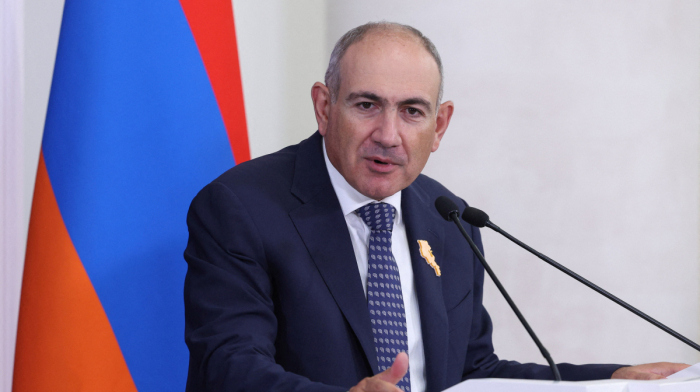
Armenian Prime Minister Nikol Pashinyan said the g...
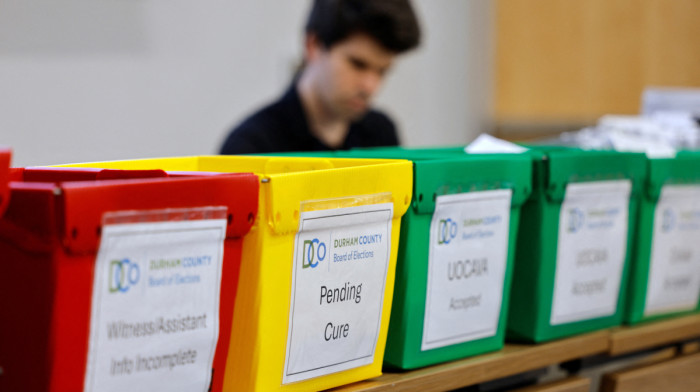
Hundreds of millions of U.S. citizens head to the polls on 3 November to elect the House of Representatives and Senate. How they vote could influence the direction of Donald Trump’s remaining 26 months in office and the outcomes of the Ukraine and Iran conflicts.
Iran and Saudi Arabia are continuing talks on new regional security arrangements without foreign military involvement, Iranian Foreign Minister Abbas Araghchi said Tuesday, as Houthi attacks on the kingdom intensify.

A six-day humanitarian ceasefire in the Russian-held Ukrainian town of Oleshky ended on Sunday, 1 November, after facilitating aid deliveries and civilian evacuations.

Saudi Aramco's acquisition of a 49 per cent stake in artificial intelligence (AI) company HUMAIN is putting a spotlight on a wider investment question: why are some of the world's biggest energy companies moving deeper into AI, and what do they expect to gain?

Iranian negotiators held a third consecutive day of talks with Qatari mediators in Doha on Sunday, 1 November, as diplomatic efforts to end the U.S.-Israeli war on Iran continue amid fears of renewed military action.
French high school students returned to protests on Monday, but demonstrations were far smaller than those seen before the two-week school break. Attempts to blockade schools were reported in several cities, including Paris, Marseille and Rennes.
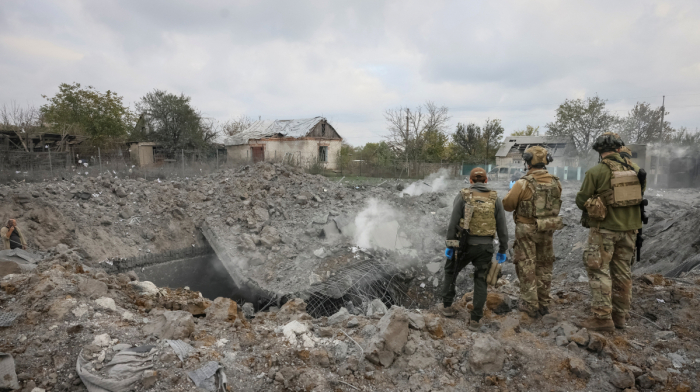
The U.S. will host Ukrainian and Russian delegations in Abu Dhabi next week for the first peace talks mediated by Washington since February, U.S.Special Envoy Steve Witkoff has said.

North Korea has denied U.S. allegations that it was behind a $6 billion cryptocurrency theft from Binance, the world's largest crypto exchange. Kim Yo Jong, sister of leader Kim Jong Un, called the accusations “absurd rhetoric” and a political provocation.
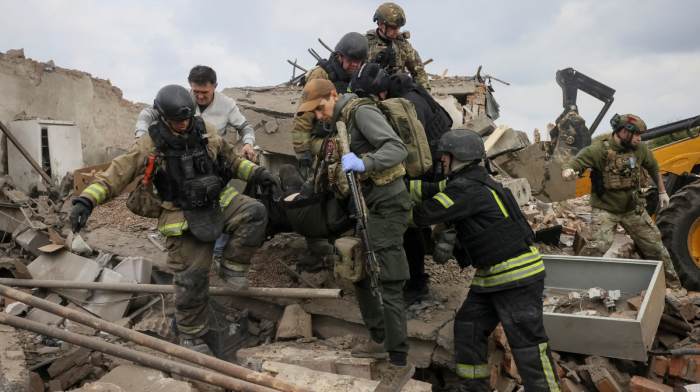
Russia airstrikes on a school used as a humanitarian aid distribution point in southeastern Ukraine's Zaporizhzhia region killed at least 26 people, including rescue workers and police officers, Ukrainian officials said. Another 27 people were reported missing.
Hundreds of millions of U.S. citizens head to the polls on 3 November to elect the House of Representatives and Senate. How they vote could influence the direction of Donald Trump’s remaining 26 months in office and the outcomes of the Ukraine and Iran conflicts.
You can download the AnewZ application from Play Store and the App Store.




What is your opinion on this topic?
Leave the first comment