




12:14 CET
Middle East conflict
live Saudi Aramco building attacked, limited fire reported
A building at Saudi Aramco’s headquarters in ...



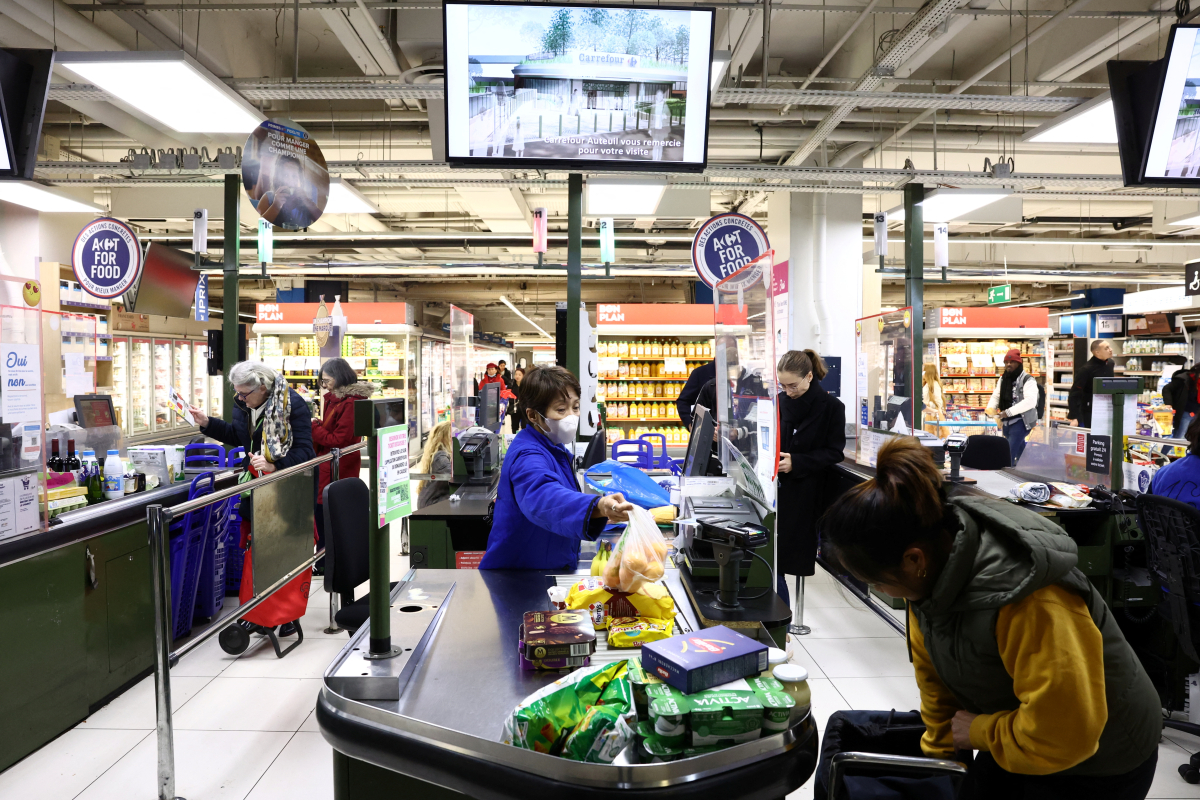
Hackers forced the temperature of fridges and freezers in hundreds of French supermarkets up to 50 degrees Celsius overnight, causing fires and food losses in what the Paris Prosecutor’s Office described as a “large-scale” attack.
The owner of French supermarket chain Intermarché said about 150 of its stores were hit, with fridges heated for six hours. The firm threw all the food away to avoid health risks.
Another French supermarket chain Carrefour said 80 of its supermarkets were affected.
The Chief Executive of French retail chain Coopérative U called the attack unprecedented.
French media reported that the hackers targeted refrigeration control systems made by the Danish manufacturer Danfoss, remotely triggering a continuous defrost cycle. Danfoss said it was aware of incidents affecting a limited number of its systems in France. It said the affected units were running outdated firmware.

Weaknesses in such equipment had been flagged earlier. In August, researchers at the security firm Claroty found a hidden login in Danfoss controllers that could give an attacker administrator access, and found thousands of the controllers reachable from the internet. Danfoss subsequently released a firmware fix.
French authorities are investigating. A person in the Prime Minister’s office said France was coordinating with European counterparts because other countries could also be affected.
Anything connected to the internet, whether a camera, doorbell, thermostat or fridge could potentially be targeted.
In 2015, researchers at a Las Vegas hacking conference demonstrated how a Samsung smart refrigerator could be compromised, allowing them to intercept some of the internet traffic passing through the device.
The risks to vehicles have also been shown before. In 2015, two researchers remotely took control of a Jeep Cherokee through its entertainment system, prompting Fiat Chrysler to recall about 1.4 million vehicles. The company said it knew of no other hacking incidents involving its vehicles.
Cybersecurity authorities define smart devices as electrical items that connect to the internet or a home network, usually via Wi-Fi. These include speakers, fitness trackers and security cameras, but also fridges, thermostats, kettles and washing machines.
Routers, used for internet access, are a prime target. According to cloud security platform Zscaler’s mid-2025 ThreatLabz report, routers accounted for more than 75 per cent of all observed attacks on connected devices.
What can a hacker actually do?
Attackers generally either gather information or take control. Poorly secured gadgets and accounts can give criminals access to personal data, to audio or video from toys and monitors, or to home networks. Security officials have warned that live feeds from smart cameras and baby monitors could be watched remotely when devices ship with easy-to-guess default passwords.
Compromised devices can also be used against other targets. Nokia’s 2023 Threat Intelligence Report said the number of insecure internet-connected devices used in specific type of cyber attack, known as botnet attacks, had risen from around 200,000 to about one million in a year. The report’s coverage named unsecured smart refrigerators among the devices involved.
Cybersecurity authorities have published guidance on securing home devices, much of it aimed at smart cameras and baby monitors.
Change default passwords. Join three random words you will remember. This can usually be done through the device’s app.
Install updates. Turn on automatic software updates where available.
Switch off remote access you do not need. Disable internet access to a camera if you do not use remote viewing.

A building at Saudi Aramco’s headquarters in ...

Air defence activity was heard over Kyiv early Wednesday, hours after a Russian missile strike killed two people and injured 21 in the Ukrainian ca...

Hackers forced the temperature of fridges and freezers in hundreds of French supermarkets up to 50 degrees Celsius overnight, causing fires an...

One person was killed and nearly a dozen hurt in a fresh attack on Riyadh's international airport on Sunday, Saudi authorities reported, a day after a strike claimed by Yemen's Houthis killed 13 people and wounded more than 300.

The Saudi-led coalition in Yemen said late Monday that it intercepted and destroyed two ballistic missiles launched by the Houthi group toward Khamis Mushait in southwestern Saudi Arabia.

The Houthi movement has escalated their attacks on Saudi Arabia, targeting the airport in Riyadh and other cities, killing more than a dozen people.

Ukrainian President Volodymyr Zelenskyy says Russia hit at least six energy targets in deadly strikes across Ukraine, showing Moscow is unwilling to accept the energy ceasefire announced by U.S. President Donald Trump.

The Kremlin on Monday rejected a 60-day ceasefire idea proposed by Ukrainian President Volodymyr Zelenskyy to allow his country to hold presidential elections, saying it wanted an overall peace deal instead.
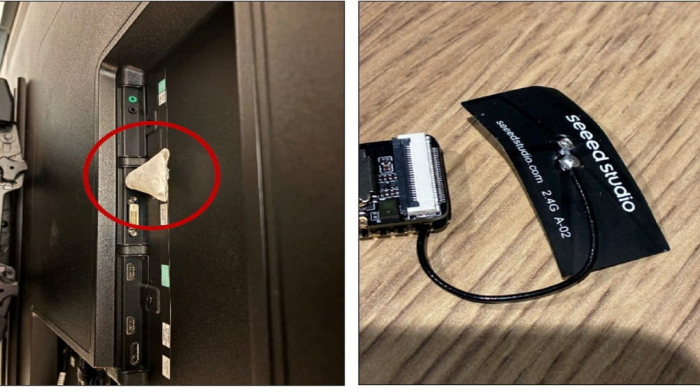
A software engineer employed by OpenAI has been arrested and charged by U.S. authorities after investigators alleged he secretly placed a concealed recording device inside an executive conference room at the artificial intelligence company.

NASA's Perseverance rover has set a new driving record on Mars, travelling 45.2 kilometres since landing in 2021 and surpassing every other robotic vehicle to explore a world beyond Earth, the U.S. space agency said on Tuesday.

Small AI models could soon spread without human intervention across internet-connected devices, from smart appliances to Android TVs, Anthropic has warned, raising fears that self-replicating systems could become increasingly difficult to contain.

Here's your AnewZ Daily Brief for 13 October 2026 with the top five science and technology news happening around the world.
AnewZ’s recent reporting from Kazakhstan and the United Arab Emirates brings audiences closer to the technologies, and the decisions, shaping the future of artificial intelligence.
You can download the AnewZ application from Play Store and the App Store.




What is your opinion on this topic?
Leave the first comment