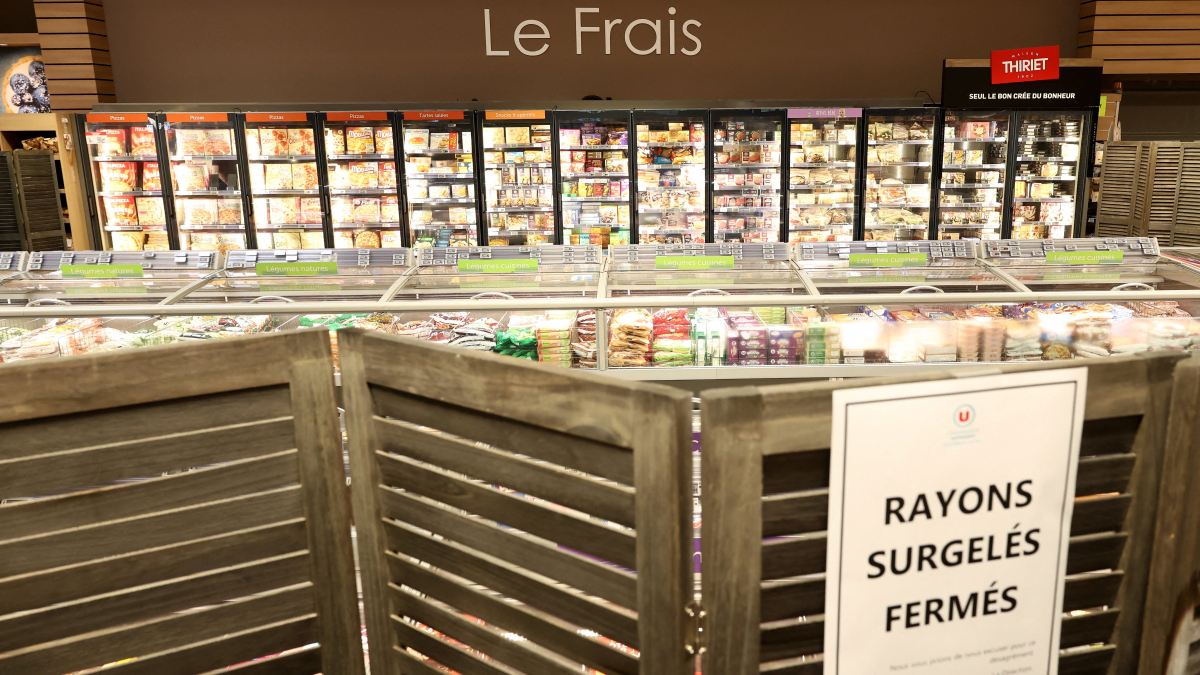
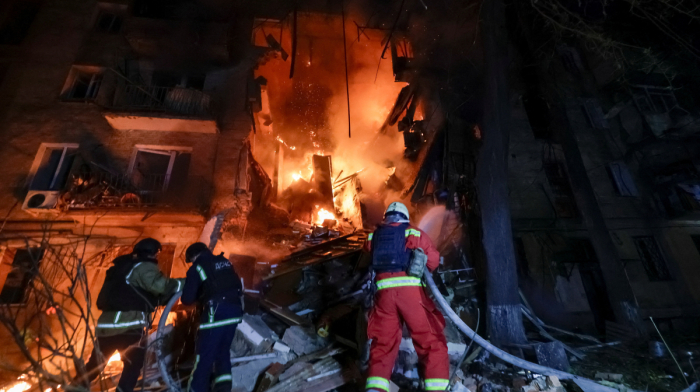
French authorities have opened a major investigation after a cyberattack disrupted refrigeration systems at hundreds of supermarkets, causing widespread food spoilage, forcing stores to discard stock and, in some cases, triggering fires.
The incident targeted internet-connected refrigeration equipment used to control supermarket fridges and freezers, sending temperatures soaring far above safe storage levels overnight.
Several of France's largest food retailers reported disruptions after refrigeration units unexpectedly heated up, leaving thousands of food products unfit for consumption.
Affected stores were forced to dispose of large quantities of fresh and frozen goods as a precaution against potential health risks.
Industry executives described the incident as unprecedented, warning that the financial impact could run into tens of millions of euros.
French prosecutors said the attack affected refrigeration systems used by multiple major retailers, prompting a nationwide response from law enforcement and cybersecurity agencies.
Which supermarkets were targetted?
Carrefour said 80 of its supermarkets were hit, while Monoprix, which operates about 490 stores in France, said 5 per cent of its stores were affected.
Les Mousquetaires, owner of retailer Intermarche, said fridges at around 150 of its stores were heated up to 50 C for six hours overnight. A spokesperson said all affected food had been discarded to eliminate health risks.
Cooperative U CEO Dominique Schelcher said his supermarket group had also been targeted.
“Targeting equipment essential to the preservation of fresh products and to the food supply of the French people is of extreme gravity and is unprecedented,” he wrote on X.
Investigation expands beyond France
The French government has tasked the country's cybersecurity authorities with determining how the attack occurred and whether other sectors could be vulnerable to similar intrusions.
Officials are also coordinating with European partners after reports emerged that businesses in several other countries may have experienced related disruptions.
Cybersecurity analysts said incidents connected to the attack have been identified in parts of Western and Central Europe, raising concerns that the operation may have targeted widely used commercial refrigeration technology.
Questions over software vulnerability
Early indications suggest attackers may have exploited weaknesses in refrigeration management systems used by retailers.
Modern supermarkets typically operate centralised refrigeration controls that can be accessed remotely over the internet, allowing maintenance teams to monitor and adjust temperatures without being physically present in stores.
Investigators are examining whether outdated software or unpatched systems contributed to the breach.
A manufacturer linked to some of the affected equipment acknowledged awareness of the incident and noted that the impacted systems were reportedly running older versions of software.
Cybersecurity experts have long warned that connected industrial and commercial equipment can become attractive targets when security updates are not regularly applied.
Wider retail concerns
The incident has intensified concerns about cyber threats to critical supply chains and consumer services.
Retail groups warned that attacks on systems responsible for preserving food pose risks not only to businesses but also to public food supplies.
The disruption comes as grocery retailers increasingly rely on connected technologies to manage inventory, logistics and refrigeration across large store networks.
Industry bodies have called for greater transparency regarding the vulnerability exploited in the attack and are urging businesses to review the security of connected equipment.
Dutch retailer faces separate cybersecurity issue
The concerns spread beyond France after Dutch retail giant Ahold Delhaize disclosed a cybersecurity incident affecting parts of its network.
The company temporarily took systems offline as a precaution, causing disruptions to some online services and grocery deliveries.
While there is currently no confirmed link between the Dutch incident and the attacks in France, both events have highlighted the growing exposure of major retailers to cyber threats.
Growing focus on infrastructure security
The attack is likely to renew debate over the security of connected devices that support essential services.
As more industrial equipment becomes internet-enabled, cybersecurity specialists have increasingly warned that attackers may shift focus from traditional IT systems toward operational technology that directly affects physical infrastructure.
For retailers, the incident serves as a reminder that cyberattacks can have immediate real-world consequences, from financial losses and supply disruptions to food waste and public safety concerns.
Read more about cyberattacks:
















What is your opinion on this topic?
Leave the first comment