FM Fidan: Türkiye ready to ensure Black Sea security following Russia-Ukraine peace
Türkiye is prepared to “assume responsibility” for the security of the Black Sea once a peace agreement is signed between Russia and Ukraine, Tur...
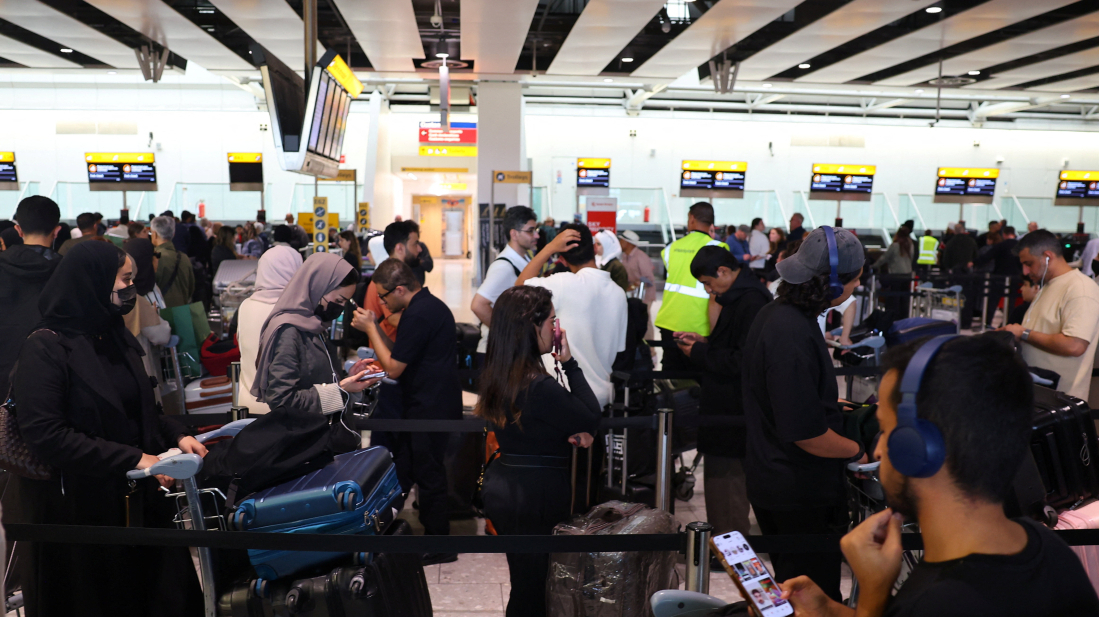
A cyberattack targeting a service provider shut down electronic check-in and boarding systems across several of Europe’s major airports on Saturday, including Heathrow, Brussels and Berlin.
The disruption forced airports to revert to manual systems, delaying flights and cancelling some schedules as Collins Aerospace worked on restoring services.
The attack struck late on Friday night, affecting the MUSE (Multi-User System Environment) platform operated by Collins Aerospace. The systems impacted include electronic baggage drops, boarding pass kiosks, and other digital tools used by airlines and airports for passenger handling.
Brussels airport reported some of the worst effects, with nine flights cancelled, several delayed by more than an hour, and four diverted. Berlin’s Brandenburg also suffered long queues and wait times, although the airport said no cancellations had yet been linked directly to the attack at that stage.
Heathrow warned passengers to check their flight status before travelling and said although delays were expected, the disruption there was “minimal” compared to other airports. Airports Dublin and Cork in Ireland reported minor impact while others in Paris (Roissy, Orly, Le Bourget) were not affected.
Collins Aerospace, a subsidiary of RTX, confirmed it was dealing with a “cyber-related disruption” of its systems at select sites, and said manual check-in and baggage drop could be used to mitigate the impact while fix-ups continue.

Germany’s foreign intelligence service secretly monitored the telephone communications of former U.S. President Barack Obama for several years, including calls made aboard Air Force One, according to an investigation by the German newspaper Die Zeit.
Israeli media report that Israeli Prime Minister Benjamin Netanyahu chaired a lengthy security meeting that reportedly focused on the country’s regional threats, including Gaza, Lebanon, and Iran.
President Ilham Aliyev said 2025 has politically closed the Armenia-Azerbaijan conflict, as a Trump-era reset in U.S. ties, new transport corridors and a push into AI, renewables and defence production reshape Azerbaijan’s priorities.
Protests continued into another day in Iran, with crowds returning to the streets despite mounting pressure from the authorities. By scale and spread, the unrest has entered its most significant phase so far.
Diplomatic tensions between Tokyo and Beijing escalated as Japan slams China's export ban on dual-use goods. Markets have wobbled as fears grow over a potential rare earth embargo affecting global supply chains.
Türkiye is prepared to “assume responsibility” for the security of the Black Sea once a peace agreement is signed between Russia and Ukraine, Turkish Foreign Minister Hakan Fidan has said.
"Change is coming to Iran" according to U.S. Senator Lindsey Graham during an interview with Fox News on Tuesday (6 January). He warned Iran that "if you keep killing your people for wanting a better life, Donald Trump is going to kill you."
The United States says it's set to receive a shipment of crude oil from South America following a significant diplomatic and economic arrangement brokered by the White House involving sanctioned assets.
Diplomatic tensions between Tokyo and Beijing escalated as Japan slams China's export ban on dual-use goods. Markets have wobbled as fears grow over a potential rare earth embargo affecting global supply chains.
Start your day informed with AnewZ Morning Brief: here are the top news stories for the 7th of January, covering the latest developments you need to know.
You can download the AnewZ application from Play Store and the App Store.
What is your opinion on this topic?
Leave the first comment